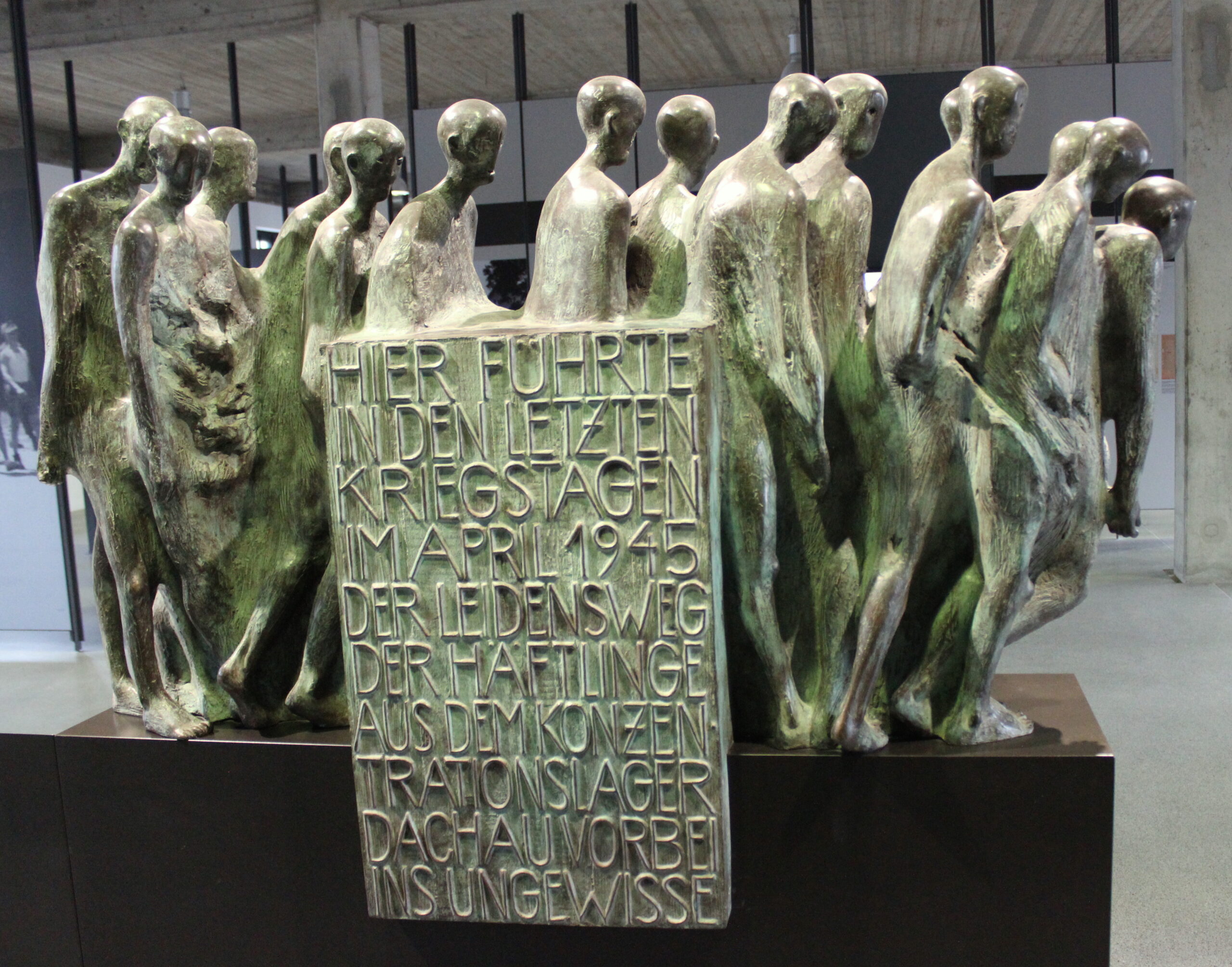
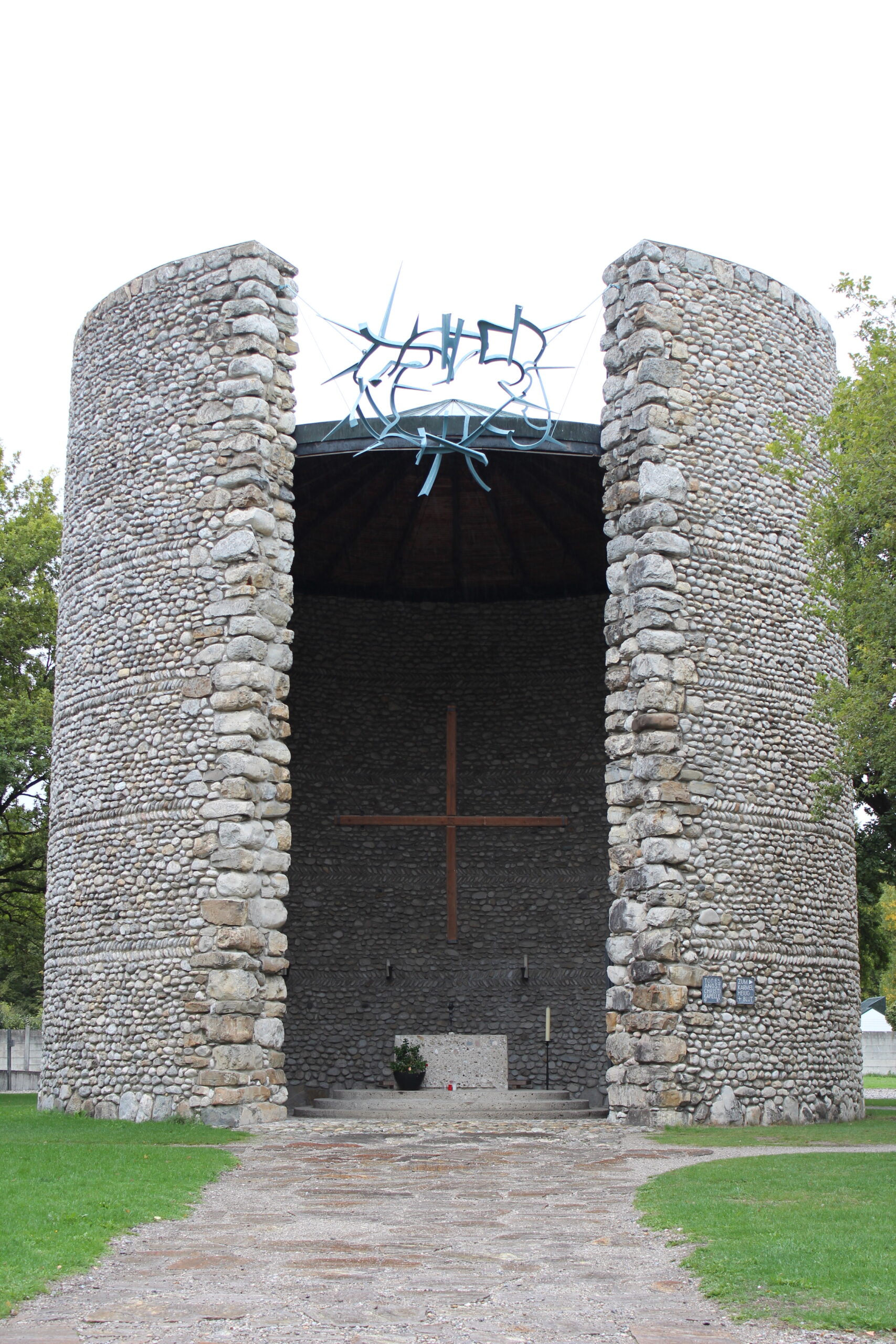
We decided to make the journey to the Dachau Concentration Camp but it was with great mixed emotions. On one hand we had to grasp the cold realities of the horrifying crimes and atrocities perpetrated just one generation ago, yet on the other hand, it was an attempt to better understand what was done, and to remember and pay respect to those who were victims of the terrors of this camp. This was our first visit to a concentration camp; we had an idea of what to expect, but it was almost impossible to prepare oneself for the somber and extremely disturbing experience it would be.
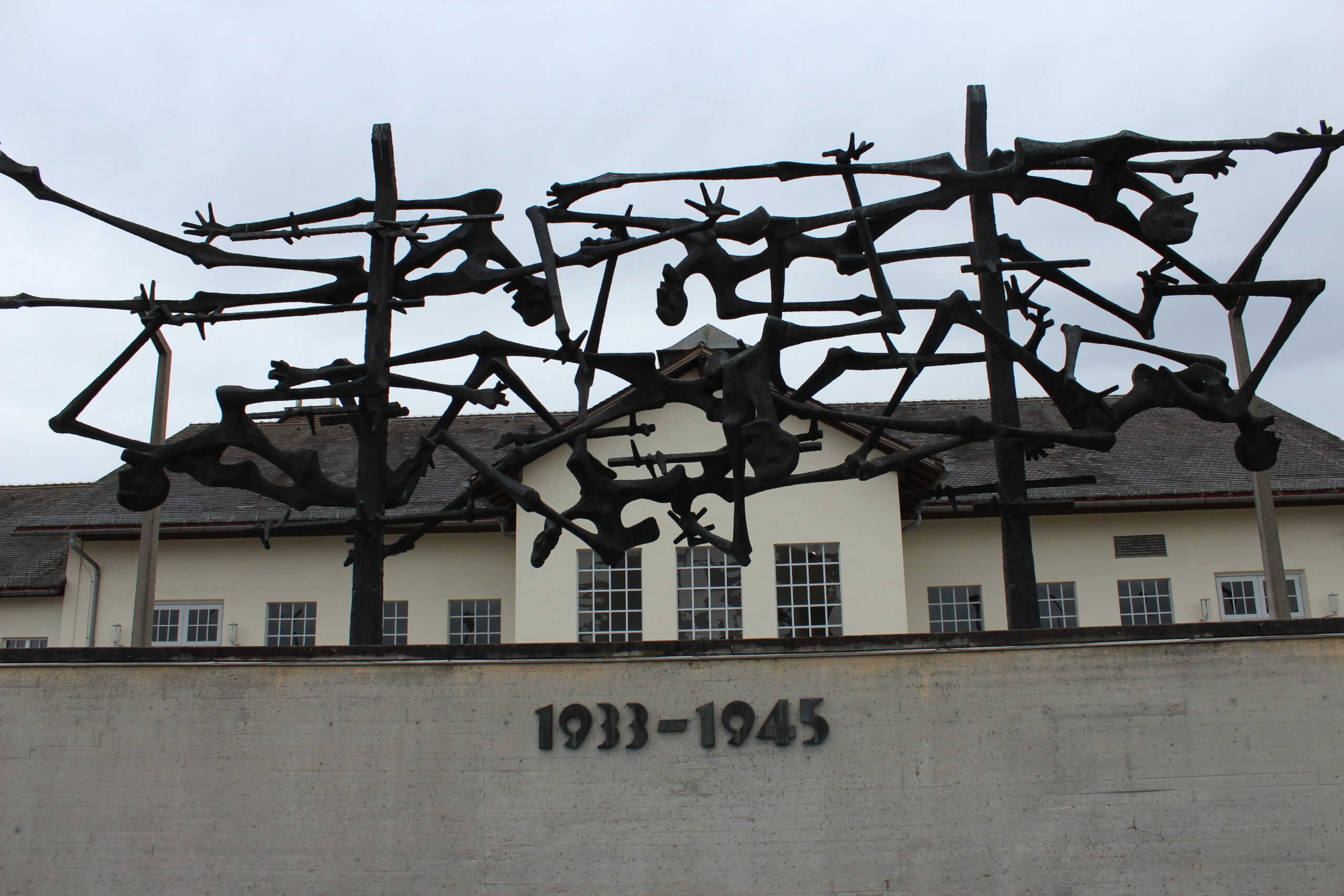
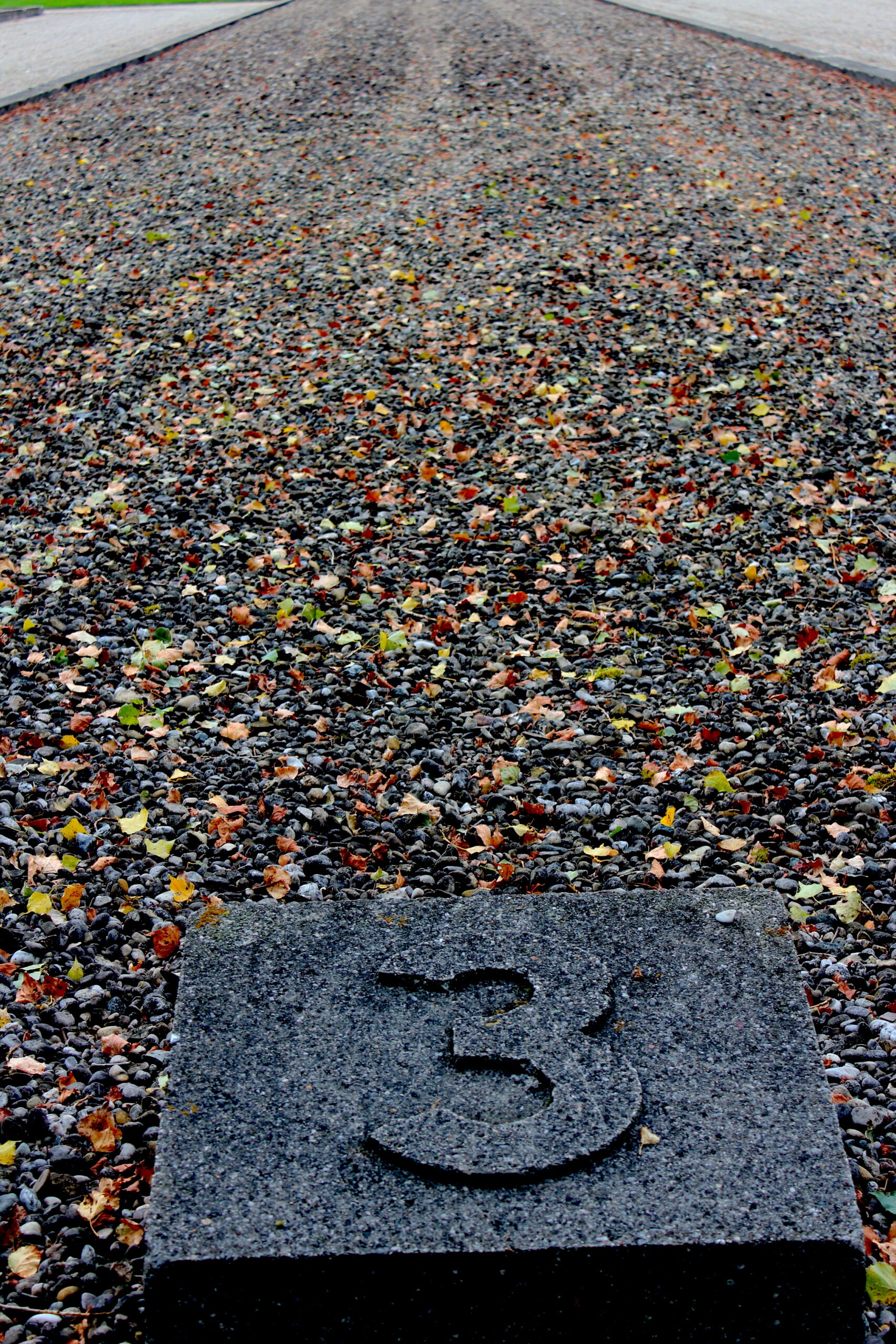
Dachau is a mere 22 kilometres away from Munich, but it truly seems like a different world. An idyllic little town, it is nestled within the quiet Bavarian countryside with the Alps looming beautifully in the background, making it somewhat surreal. Yet, standing on the roll-call square at the Dachau camp on that grey, drizzly day, on the same site where half-starved prisoners were counted every morning from 1933 to 1945, confronting that reality and those that had yet to come, became shockingly real.
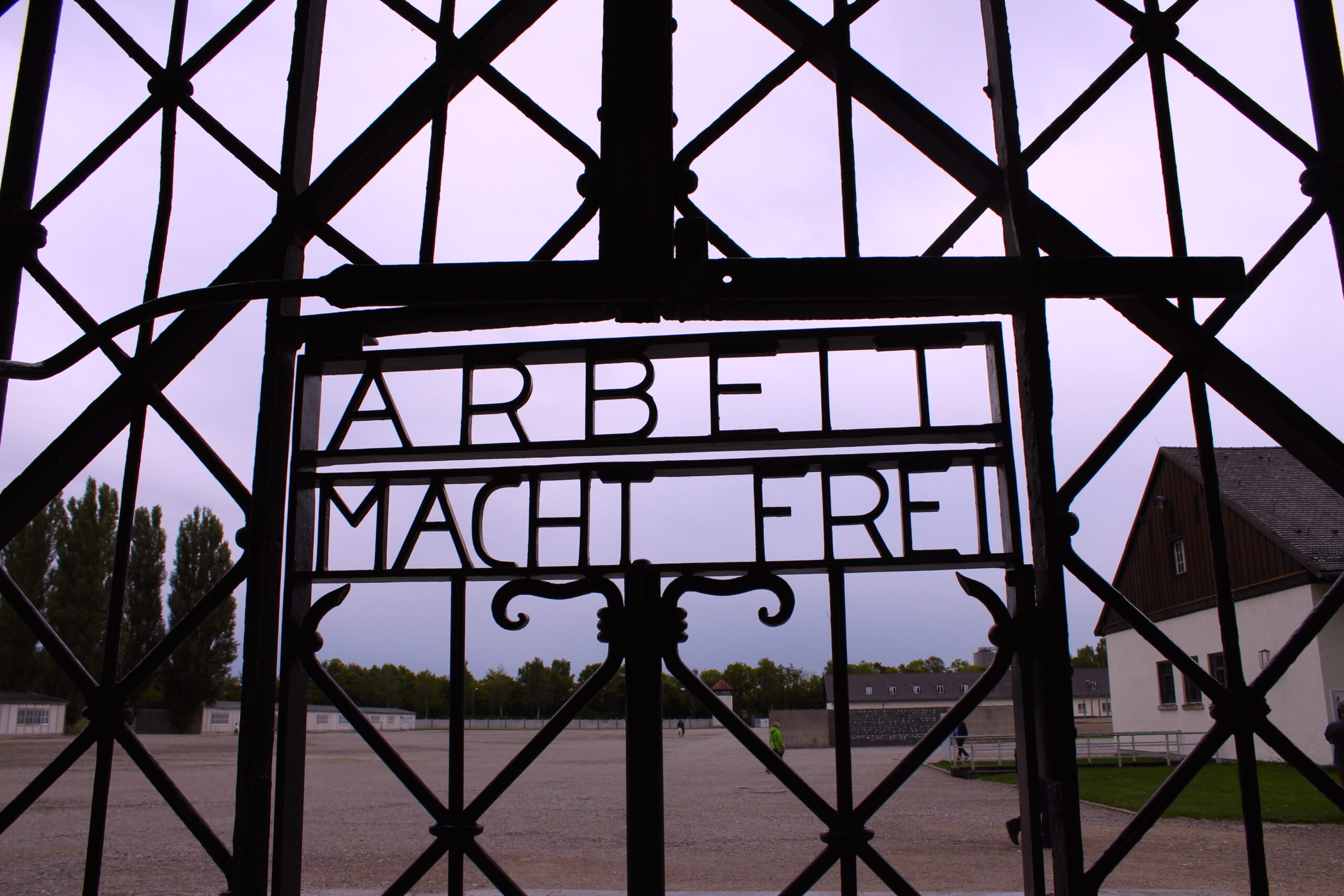
On April 29, 1945, in the closing days of the Second World War, the U.S. Army arrived in the small town of Dachau to liberate inmates from the notorious concentration camp that lay on the outskirts of town. The images captured on film by the U.S. Soldiers that day, shocked the world. Emaciated, diseased and brutalized, survivors emerged from behind the infamous Arbeit macho frei (“Freedom through Work”) gate to bear witness to a regime of systemized murder, torture, degradation and exploitation that had been conceived and set in motion 12 years earlier in 1933. The Dachau camp system grew to include nearly 100 sub-camps, which were mostly work camps, and were located throughout Germany and Austria.
Prisoners lived in constant fear of brutal treatment and terror. There were 32,000 documented deaths at the camp and thousands that were undocumented. Approximately 10,000 of the 30,000 prisoners were sick at the time of liberation.
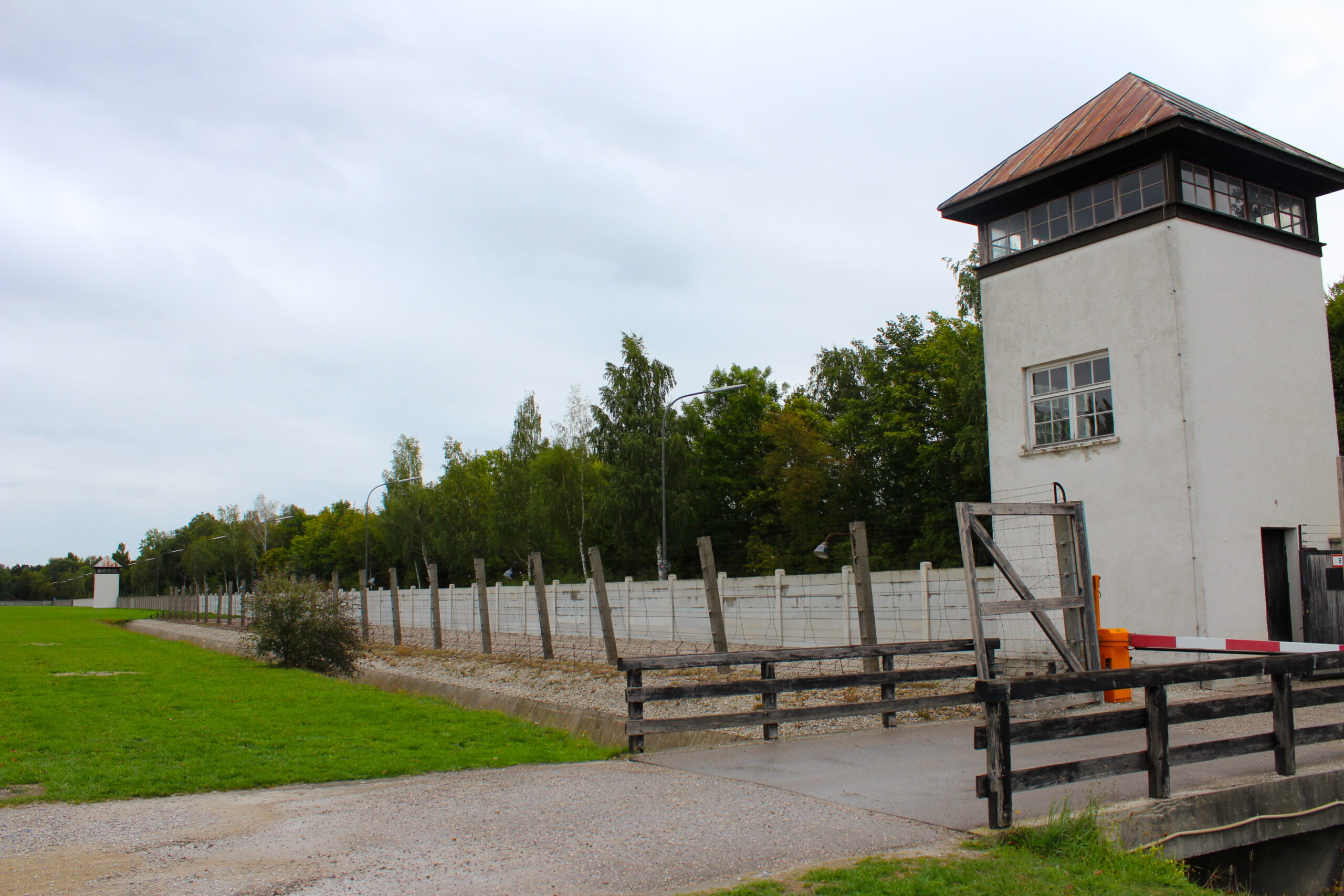
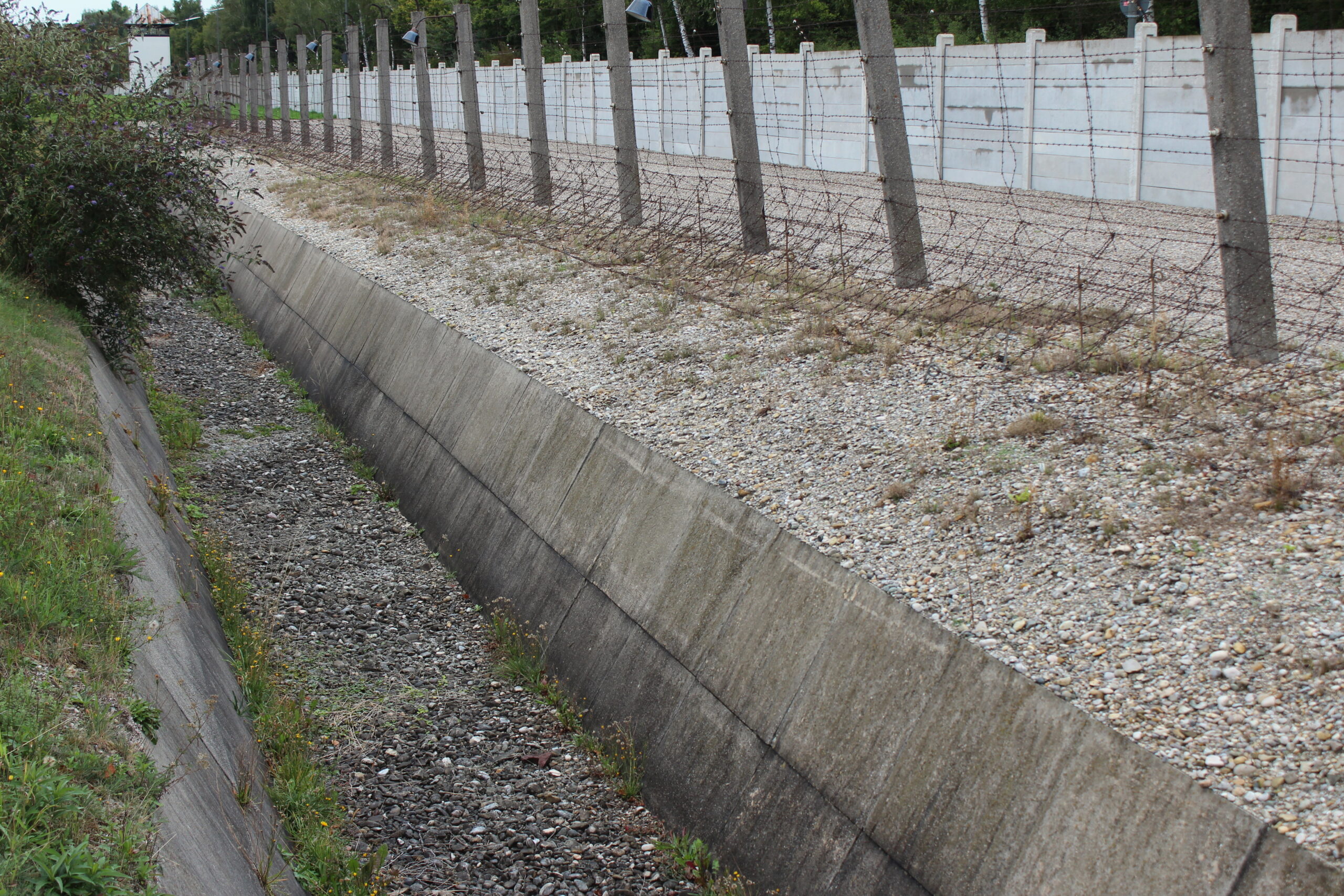
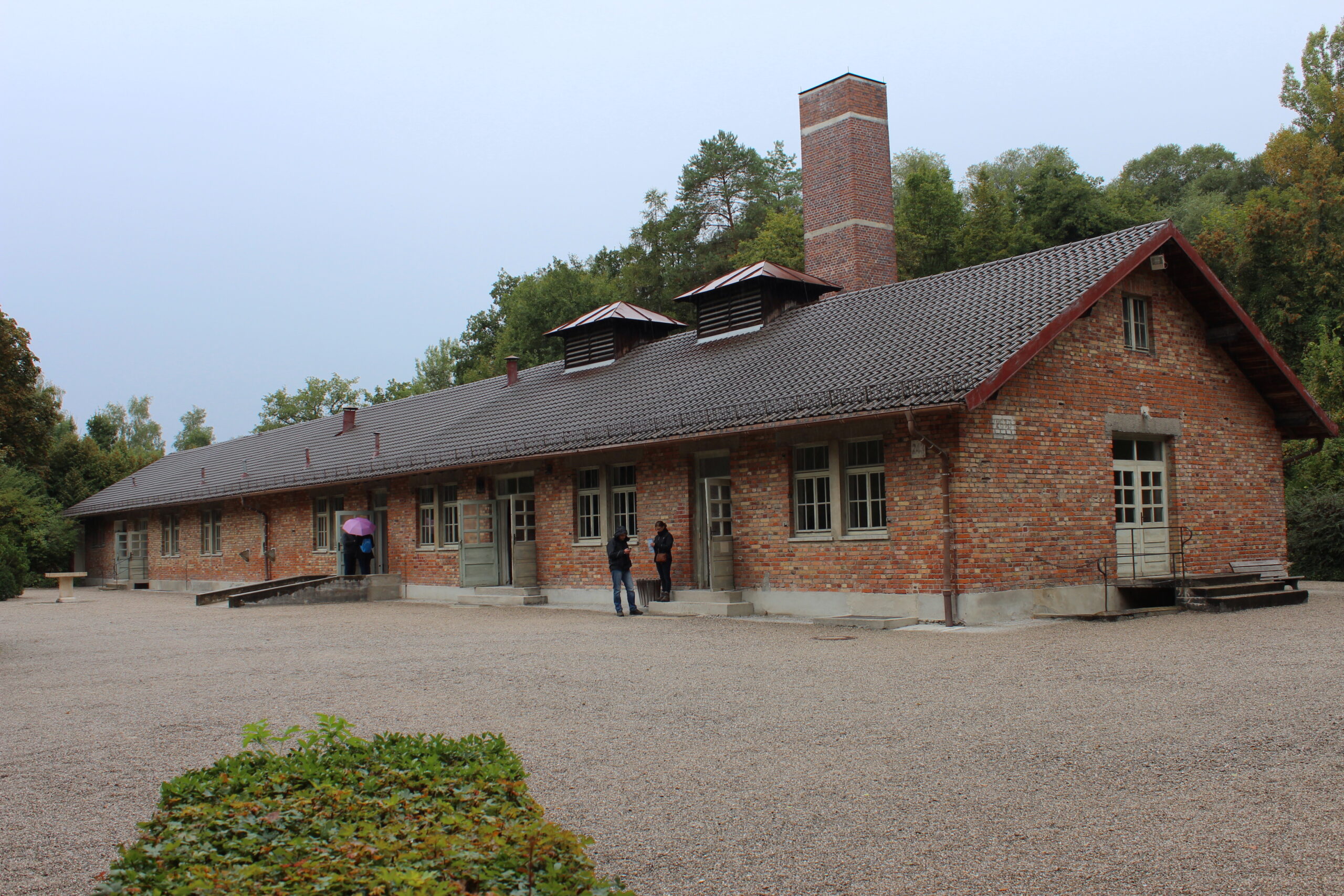
The Dachau complex included the prisoners’ camp, which occupied a mere 5 acres, and a larger area for an SS training school including barracks, factories and other facilities of around 20 acres.
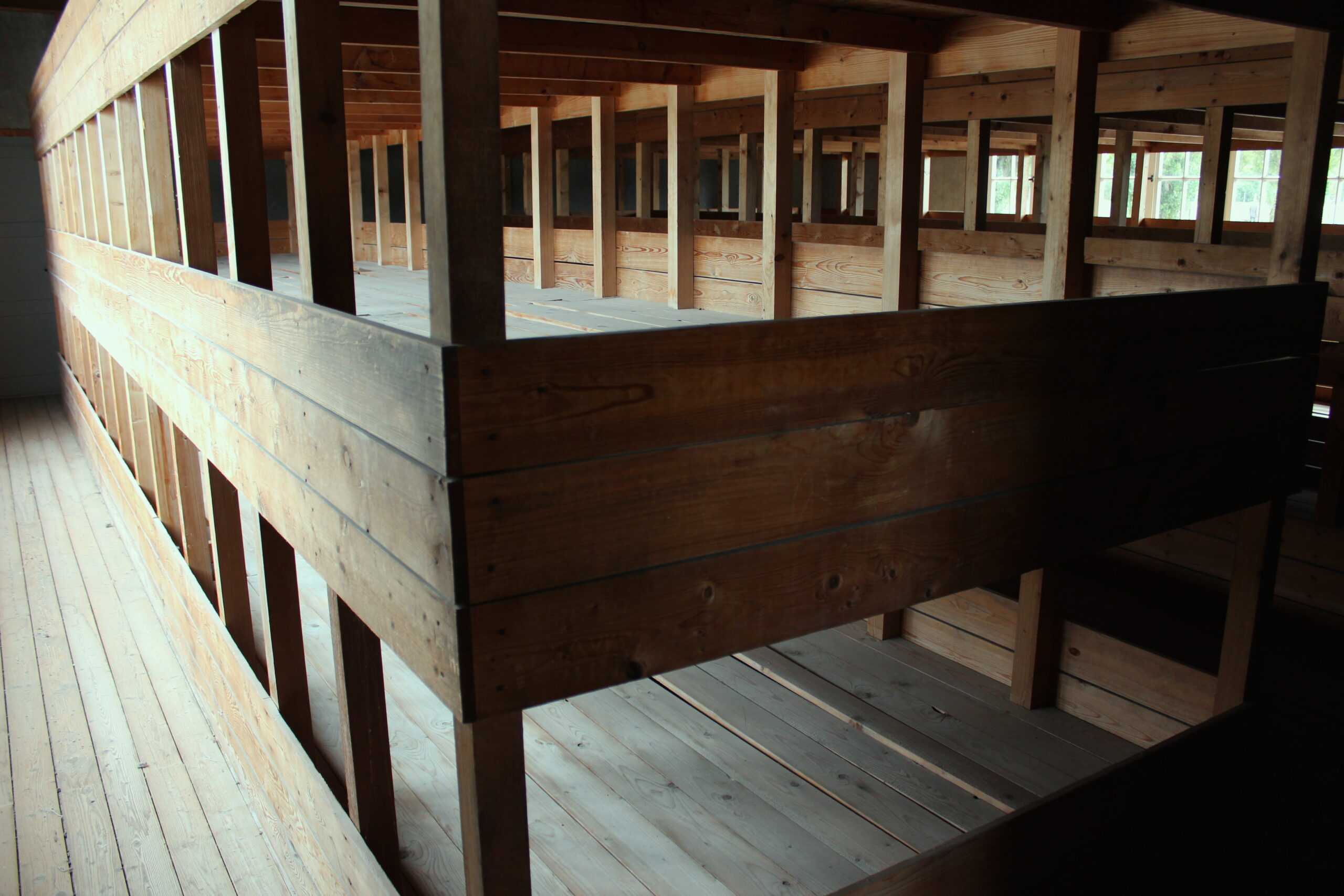
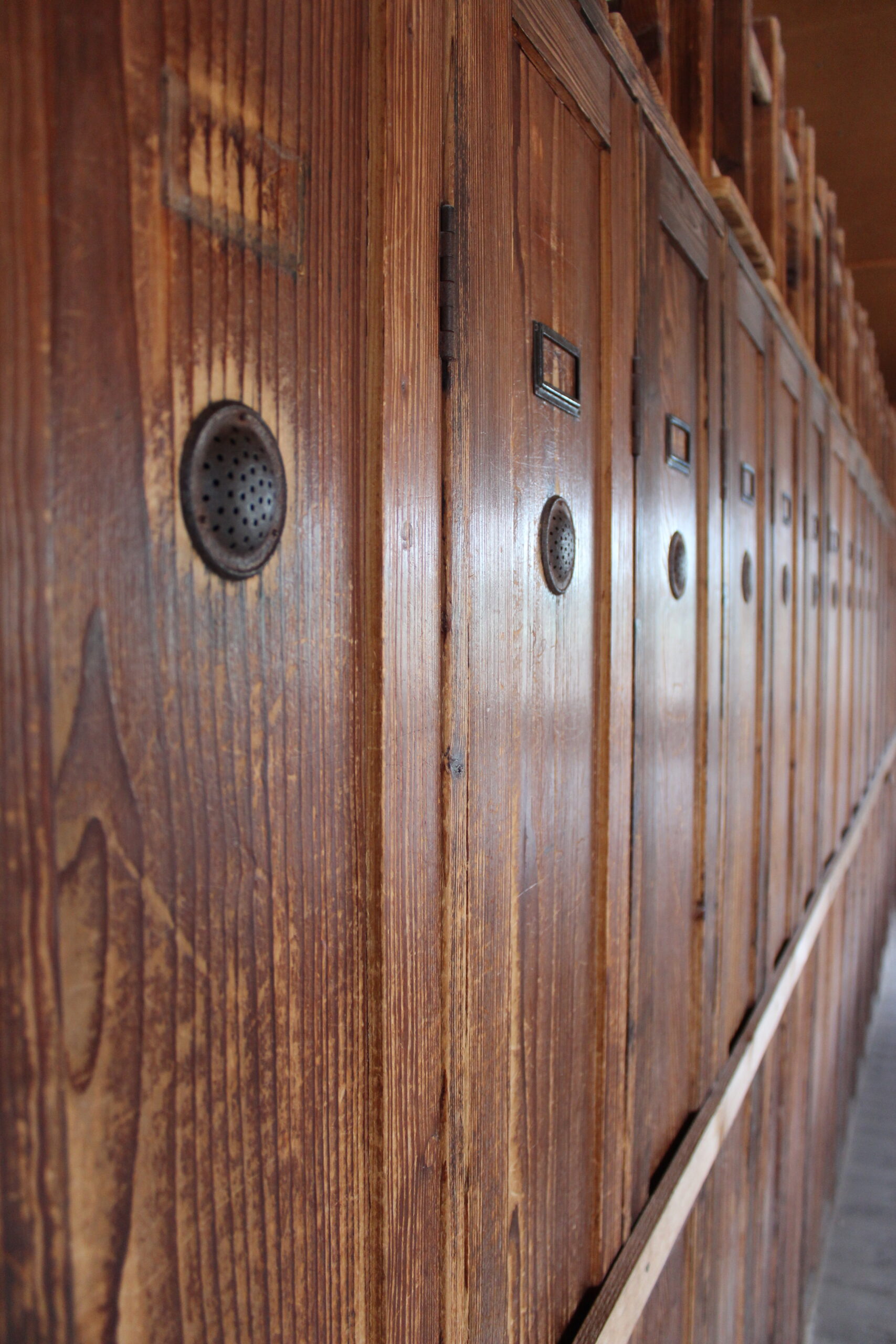
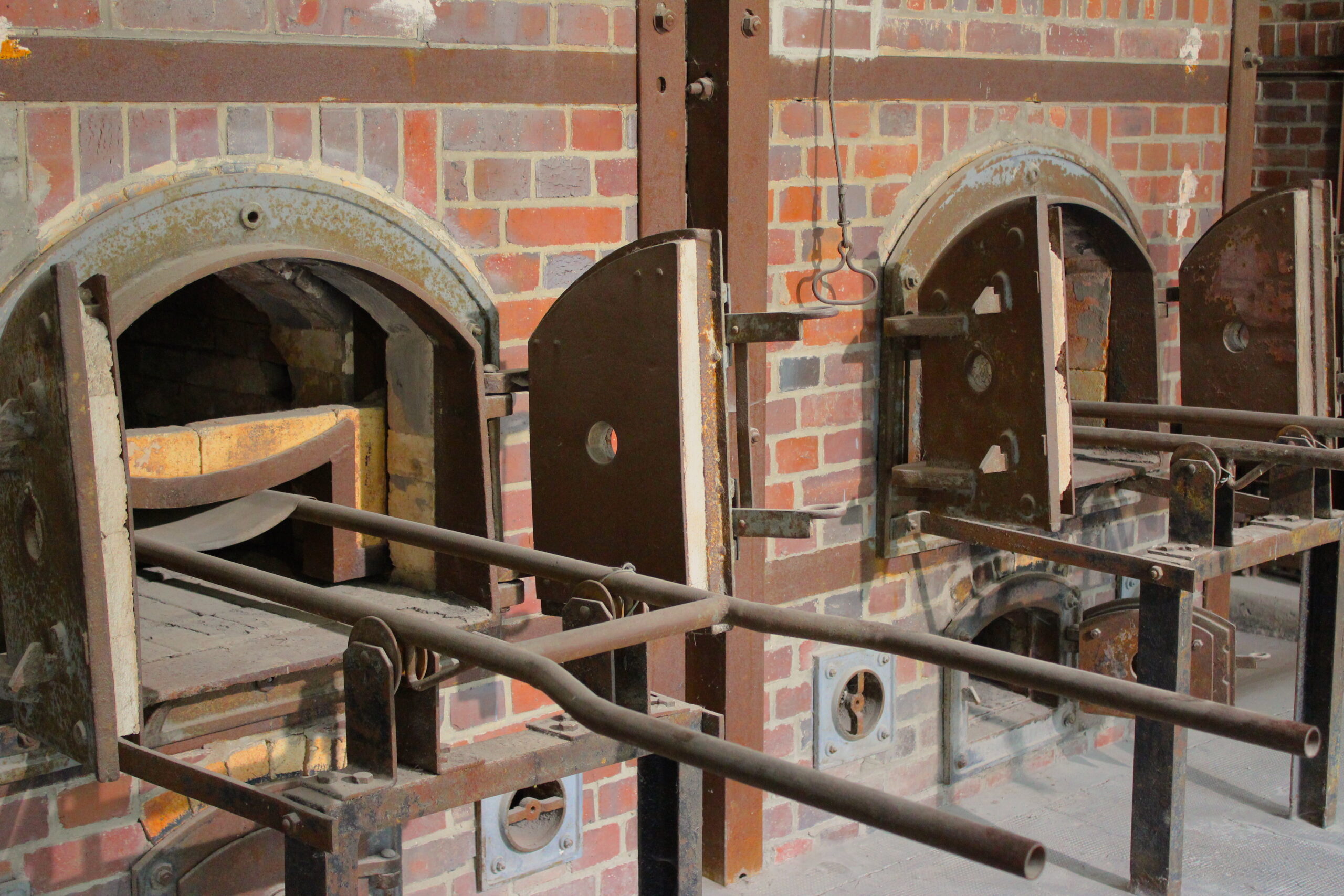
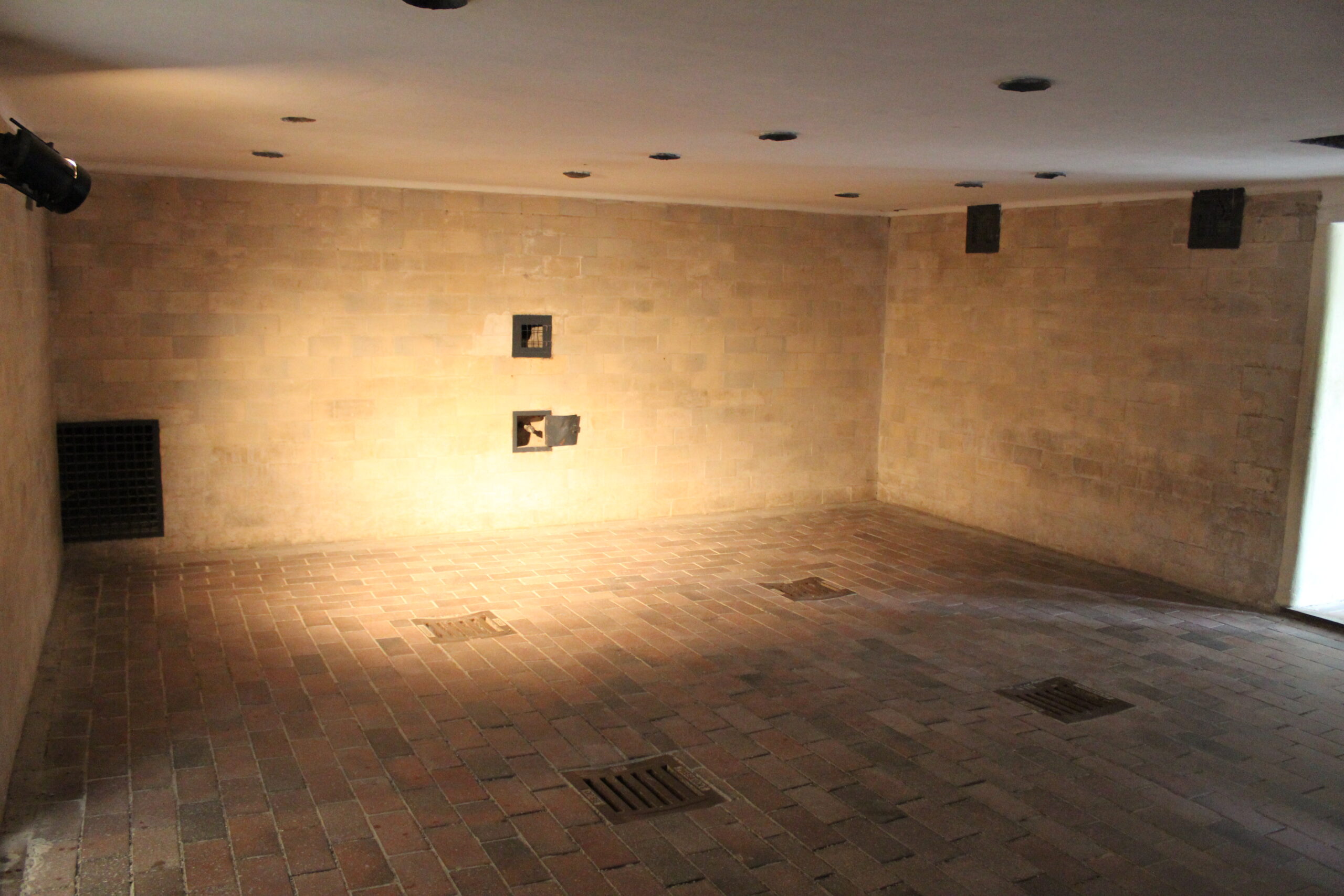
The historical grounds of the former concentration camp are maintained by a foundation that makes visiting this major international Memorial site possible. Today, the site combines the historical authenticity of the original environment, and it’s many surviving buildings with the function of a modern Exhibition Centre and we recommend visiting it.
It’s a place of memory, of pilgrimage and education.
How to get to Dachau Concentration Camp:
Train: In the main Munich train station go downstairs to the S-Bahn trains and take the S2 to the Dachau station. It’s about a 20-minute ride. The Dachau station is about two miles from the camp.
Bus: At the Dachau train station take bus #726 to the camp towards Saubachsiedlung.
Other Facts:
- Entry to the Dachau Concentration Camp is free
- We recommend setting aside a least 4 hours to explore the camp
- There is a short documentary, which is played on a loop in the exhibition area. However, please be warned that it will be unsettling to watch.