
Serengeti, derived from the Maasai language meaning “endless plains.”
Located in northern Tanzania and covering almost 15,000 square kilometers of grassland plains, forests and woodlands, the Serengeti is Tanzania’s biggest tourist attraction. Best known for the great annual Wildebeest and Zebra migration, it has long been considered one of the top wildlife viewing destinations in Africa. During the short rains in October and November, over a million wildebeest and around 200,000 zebras migrate south from the Maasai Mara in Kenya to the Serengeti plains, and then during the dry season, usually late June through August, they migrate back north. The instinct to migrate is so strong that nothing will hold them back, not even crocodile infested rivers.
Two diverse regions often define the Serengeti. In the central and south, it is almost treeless with vast grassland and rolling hills, except for a few acacia trees that dot the plains. These acacia trees are symbolic to the Serengeti and it’s hard to properly describe the sheer expansiveness and breathtaking natural beauty of the wide, open plains. These plains make for some of the best Safari big game viewing. The Northern Serengeti landscape on the other hand turns to predominantly woodlands.
In Central Serengeti you’ll find the highest density and most diverse eco-systems of wildlife, including lions, leopards, cheetahs, zebras, African buffalo, hippos, wildebeests, gazelles, hyenas, and more than 500 species of birds.
Our Safari Game Drive Experience through the Serengeti
Traditional guided game drives in an open-sided safari vehicle are the most popular and most camps and lodges within the park offer daily expeditions at the best times for wildlife viewing like early morning and late afternoon. Depending on the level of service offered at your camp, you may travel with a small group or have your own guide and safari vehicle.
Our location in the Southern Serengeti gave us immediate and easy accessibility to the incredible wildlife, although much of the credit needs to go to our driver and guide, Godbless, who was superb and his knowledge of the behaviour of the animals was excellent.
Throughout our Safari adventure, each day brought a number of highlights and these are our experiences in the Central Serengeti that stand out the most.
Giraffes
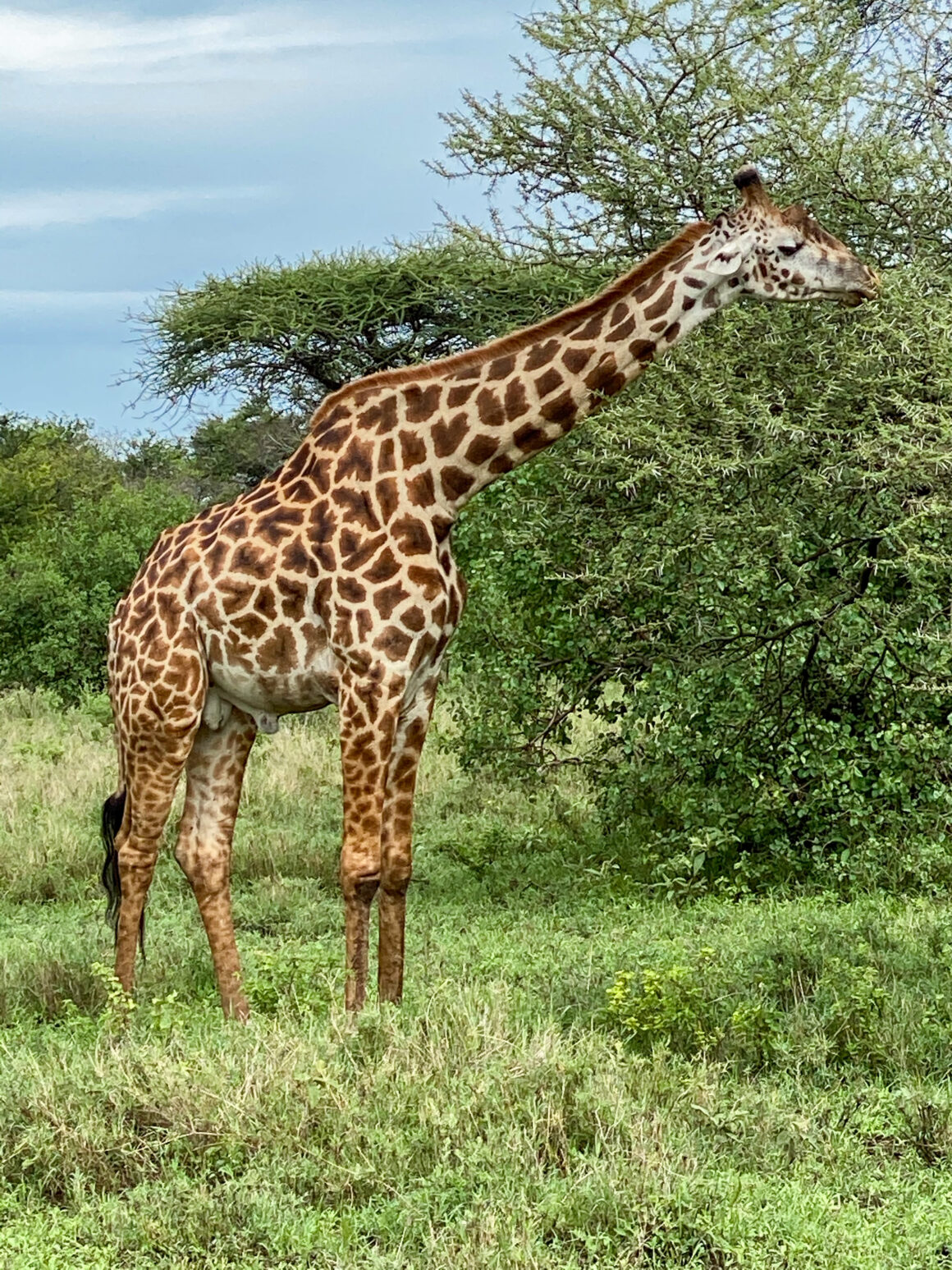
There is nothing quite like seeing giraffe in their natural habitat, dining on acacia leaves high above the ground. Due to the rains, there was an abundance of greenery and we saw quite a number of groups or towers of giraffe alongside the lush riversides or walking gracefully on the plains. The Masai giraffe are native to east Africa and are found in Tanzania and central and southern Kenya. Their population has dwindled in the last 30 years due to habitat loss and poaching and are now a protected species.
Lions
Lions are considered very social and live in groups of related individuals with their offspring in groups called a pride. Females form these social group but do not tolerate outside females from joining. When a group of male lions who have grown up together leave their maternal prides, sometimes form coalitions to work together in hunting large animals.
Even though it was the short rainy season, when the rain came, it rained extremely hard, drenching the roads and trails. Despite the condition of the roads, we were in search of a pride of lions that were reported in the area of our camp and after several hours of driving on a trail that was submersed from the day’s rain, we finally located them near a large pond. Our guide Godbless, with his superb driving skills through the wet and treacherous terrain, was able to get us extremely close so we could observe them and get some amazing photos. (We really cannot give him enough credit because later at camp we heard from a number of other guests whose guides perhaps didn’t possess Godbless’ driving skills, became stuck which required them to get out and push, or wait for hours for help to come!)
Cats being cats, this pride of lions didn’t appear thrilled with the torrential rains, hid as best they could in the grass, but we still were able to watch these incredible creatures.
Over several days we got to see several other prides, one group was lounging on rocks that were reminiscent of the Lion King, as well as a mother lioness who was napping at the side of the road as she was taking a break from her cubs who she’d safely hidden in a nearby shrub.

Leopards
Another highlight was observing a leopard lazing in a tree. Wedged up in a branch was its recent kill, an impala, which had been dragged up the tree to prevent other prey from stealing it. You quickly realize how at risk each individual species is at losing what they had earned themselves.

The Elusive Cheetah
Cheetahs are incredibly hard to spot, and we searched for hours before coming upon a lone female dining on her kill under the shade of a tree, all the while remaining on high alert for her natural predators. It was an amazing experience to watch her eating and lift her head every couple of minutes to see if a predator was coming to steal her kill.
Shortly after that sighting, we had the opportunity to actually witness two cheetahs work in tandem to take down a gazelle. The cheetah, which is the fastest land animal, can clock speeds of up to 60 miles an hour. We watched as the two cheetahs silently stalked a group of gazelles, and once they identified their target, it took less than ten seconds for the swift moving cheetah to take the gazelle down. It was brutal yet totally amazing at the same time, a mind-numbing reminder of the circle of life.
Our drive that day also brought us in contact with a coalition of cheetahs, which is a group of two or three males, formed between brothers in order to defend their territory against the males of other coalitions.
Being in the presence of all these magnificent animals is such a great reminder to live in the moment. Regardless of what’s happening in our personal or professional life, being in their presence just seems to put everything in perspective.

To review our Serengeti photo gallery click below:

Hot Air Balloon Ride
Flying over the Serengeti was on our bucket list and one we were very fortunate to fulfill. Click on the image below to see more:

When is the Best Time to Visit the Serengeti?
Wildlife viewing is great throughout the year, but certain areas are better at specific times. Weather in the Serengeti maintains a fairly consistent level throughout the year, with average lows of about 15 degrees Celsius and highs of about 27 degrees Celsius.
Many travellers will choose the Dry season, from late June to October, as this period offers the best wildlife viewing in general, with the wildebeest migration being one of the highlights.
January-February: The winter months are the best time to visit the Serengeti’s Southern region of the and the Ngorongoro Conservation Area. The short rains that occurred in November making the grasslands green, draw the herds of wildebeest and zebras back to their breeding grounds, along with their predators.
March-May: Springtime brings the Serengeti’s rainy season (the “long rains”) and some lodges and camps will close during this time.
June-September: During the summer and fall, The Great Migration makes its way north. In the early summer months you’ll most likely find the herd near the Grumeti River, although you can also see smaller rogue groups elsewhere on the plains.
October-December: This marks the start of the “short rains” and also signals The Great Migration’s return to the southern grasslands.
Where to Stay
There are both permanent lodges as well as mobile camps in a range of prices depending on your budget. While mobile camps are all tents, there are many where luxury is not compromised, in fact many people would describe it as “glamping”.
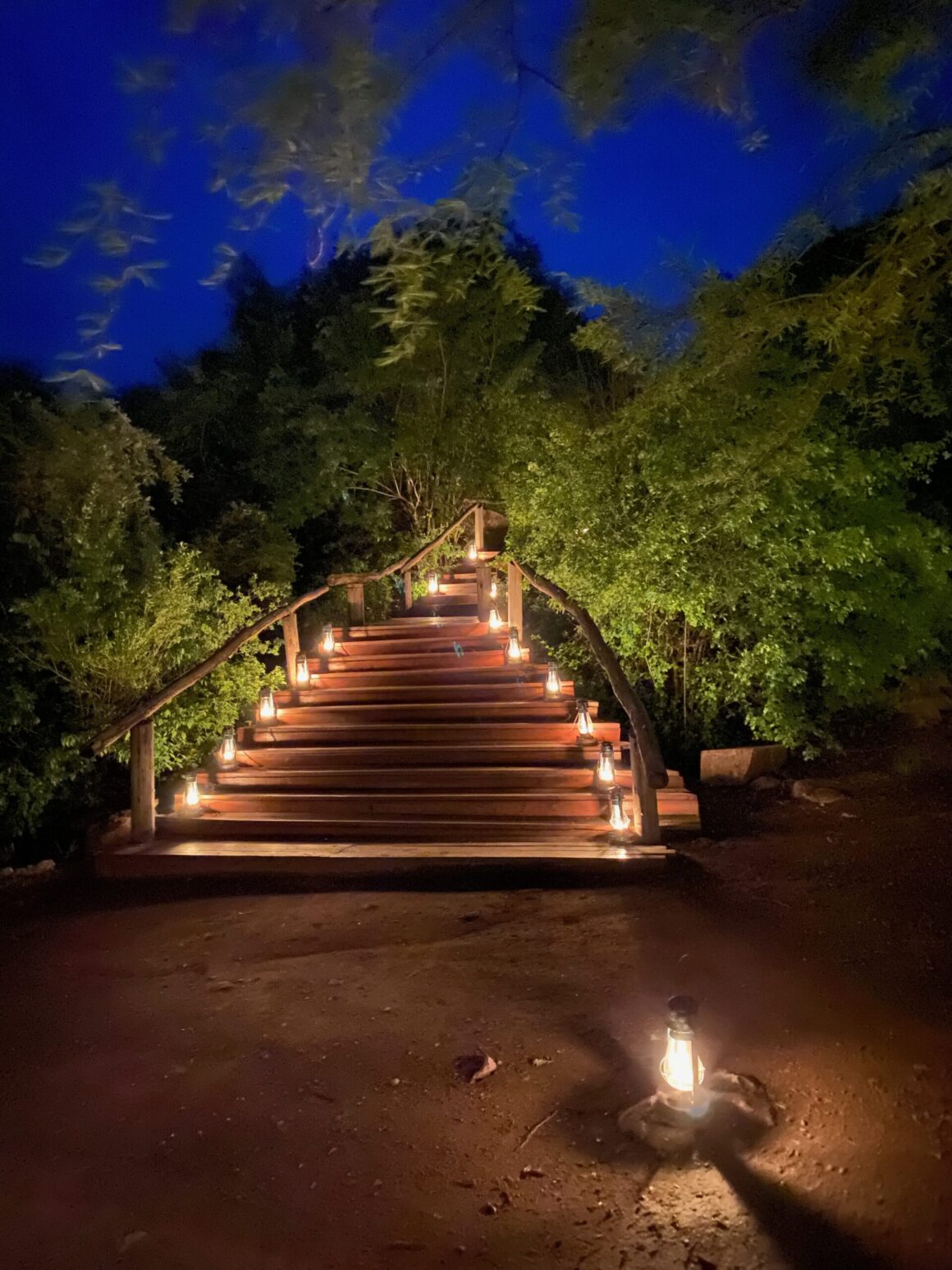
We stayed in South Central Serengeti at the Elewana Serengeti Pioneer Camp for its incredible location, about an hour drive from the Seronera airstrip. Click on the image to learn more about the Elewana Camp.
Getting to the Serengeti
The closest international airport to Serengeti National Park is Kilimanjaro International Airport, in Arusha, Tanzania, located nearly 300 kilometres from Serengeti National Park. From Kilimanjaro Airport, you can either go by car or by plane from Arusha Airport.
By Car: The drive to Serengeti National Park from Arusha will take roughly eight to nine hours
By Plane: The fastest way to get to the Serengeti is by flying in to one of the several small airstrips located directly inside the park. We were coming from the Lake Manyara and Ngorongoro region, so our charter flight brought us from the Lake Manyara airstrip to the Seronera Airstrip putting us in the heart of the Serengeti.