
A 2-Night Adventure Through the Heart of Northern Vietnam
Arriving in Hanoi from Tokyo via Narita International Airport felt like stepping into an entirely different rhythm of Asia. Tokyo’s polished precision quickly gave way to Hanoi’s energetic charm, where thousands of motorbikes, colonial architecture, ancient temples, and the aroma of street-side pho combine into one of Southeast Asia’s most captivating capitals. For seasoned travelers like ourselves, Hanoi offered exactly what we value most in adventure travel: authenticity, history, culture, and moments that cannot be replicated elsewhere.
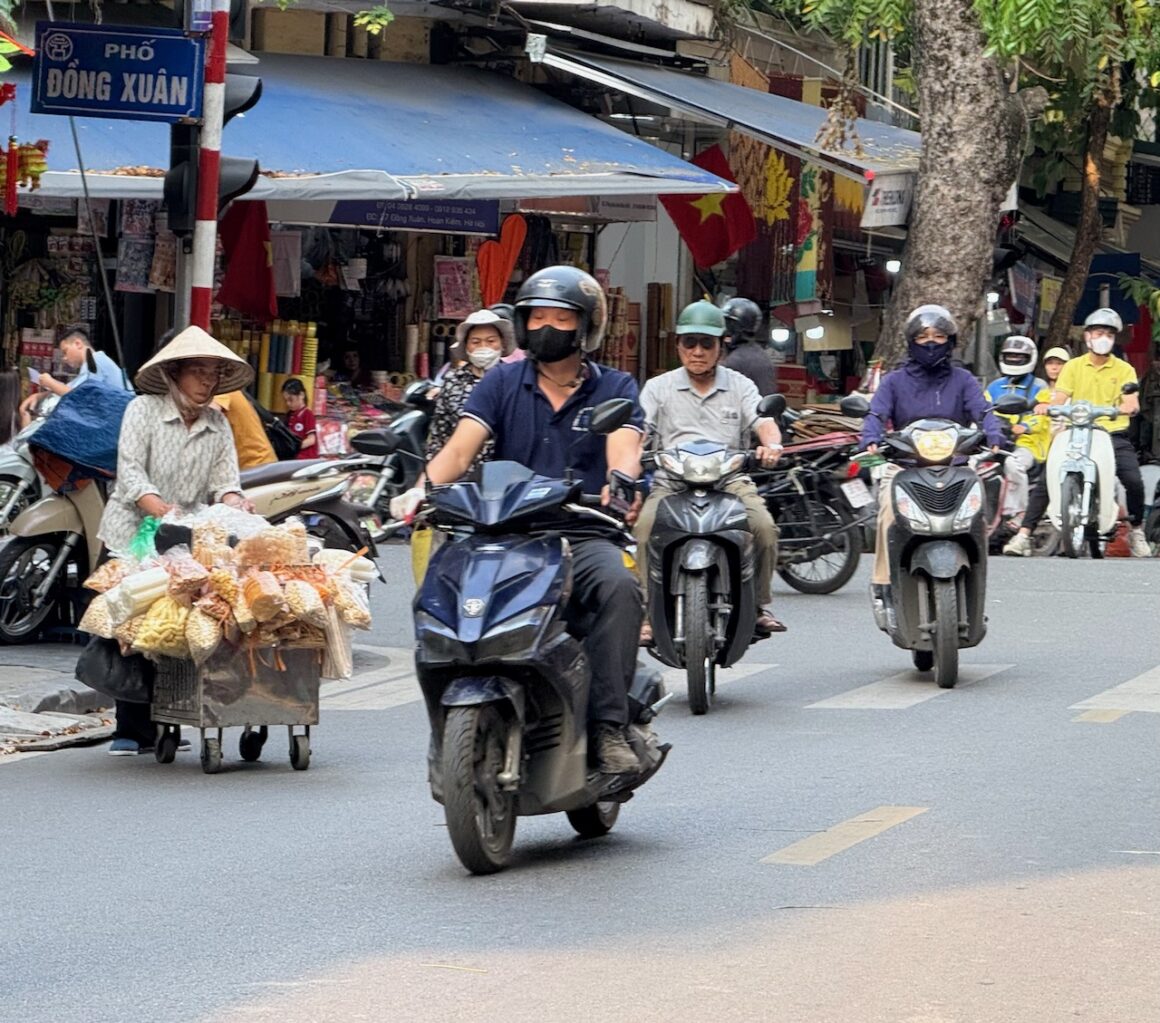
Unlike the modern commercial pace of Ho Chi Minh City, Hanoi moves with a slower, more traditional cadence. With over a thousand years of history, leafy boulevards, hidden cafés, French colonial influences, and deeply rooted Vietnamese traditions, Hanoi remains one of the most popular places to visit to experience Vietnam in its most authentic form. For affluent travelers seeking meaningful experiences rather than rushed sightseeing, two nights here provided the perfect introduction to northern Vietnam.
We based ourselves at the iconic InterContinental Hanoi Westlake, one of Hanoi’s most recognizable luxury properties. Built partially over the calm waters of West Lake, the resort combines privacy, tranquility, and upscale comfort while remaining within convenient reach of Hanoi’s major attractions. Its famous Sunset Bar, connected by a torch-lit bridge to its own small island, became one of our favorite evening escapes after busy days exploring the city.
Exploring Hanoi’s Historic Old Quarter
The Soul of Hanoi
No visit to Hanoi, Vietnam is complete without spending significant time wandering through the legendary Old Quarter. This historic district remains the cultural and commercial heart of the city and is among the best individuals-friendly activities and sights to visit for travelers wanting to immerse themselves in authentic Hanoi life.
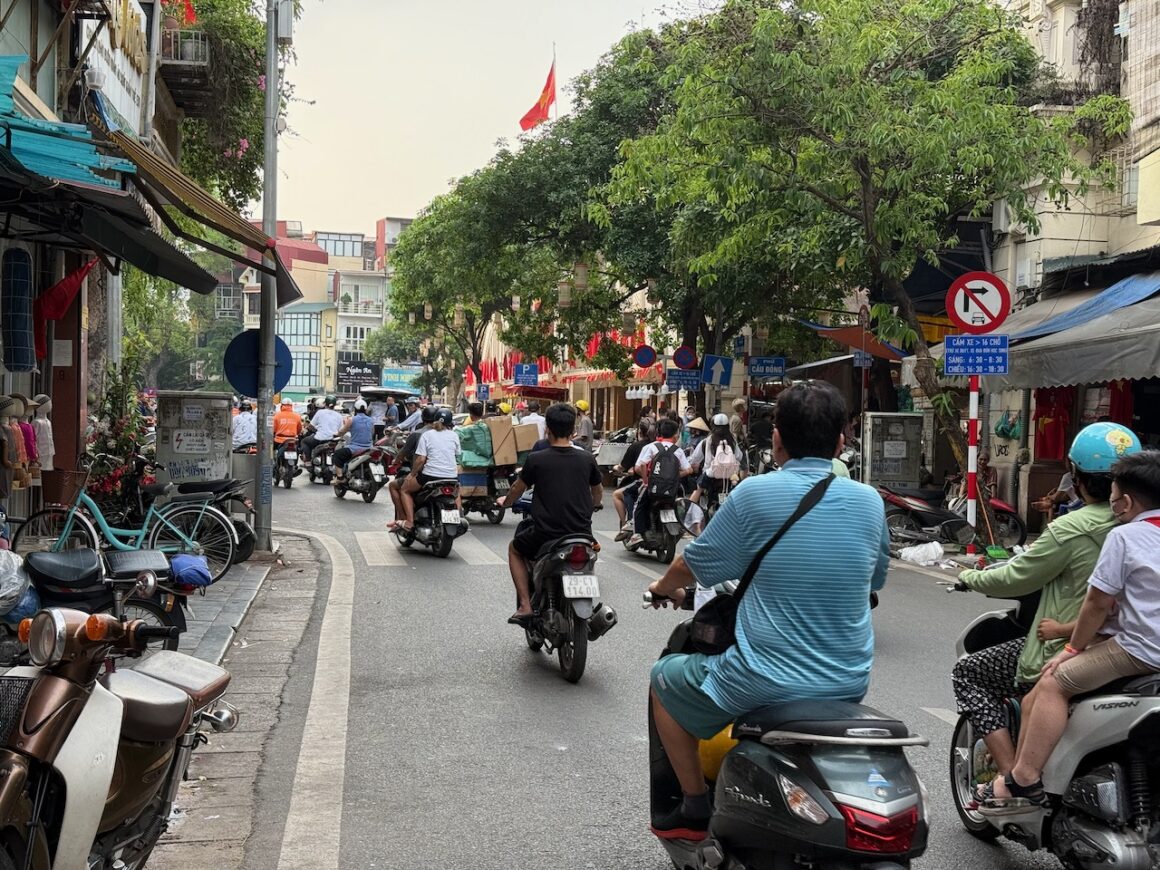
The Old Quarter’s famous “36 Streets” date back centuries, with each street historically dedicated to specific trades and crafts. Even today, remnants of those traditions remain visible as you walk through the organized maze of merchants, cafés, boutique shops, and street food vendors. We found ourselves constantly stopping to observe the fascinating street scenes unfolding around us — scooters carrying impossible loads, elderly locals sipping tea on tiny stools, and artisans quietly working in storefronts little changed over generations.
Some of the most fascinating streets included:
- Hang Dau – Known for footwear and leather goods
- Hang Bac – Famous for silver jewelry and traditional craftsmanship
- Hang Gai – Hanoi’s well-known silk street
- Hang Ma – Vibrant lanterns, decorations, and festival supplies
- Lan Ong – Traditional herbal medicine shops
- Hang Duong – Historic sugar and confectionary street
The Old Quarter is also one of the best places in Hanoi for local cuisine. Travelers can comfortably blend fine dining with authentic street food experiences. Meals ranged from approximately $3–$8 USD at highly regarded local eateries to $25–$60 USD per person at refined Vietnamese restaurants offering elevated tasting menus and wine pairings.
Evenings here become especially atmospheric as the district transforms with glowing lanterns, rooftop bars, live music venues, and bustling night markets. Despite the crowds, the energy never felt overwhelming — only exhilarating.
Ho Chi Minh Mausoleum & One Pillar Pagoda
Understanding Vietnam’s Historical Identity
One of the most culturally important sites in Hanoi is the impressive Ho Chi Minh Mausoleum complex. Set within a large ceremonial square and landscaped gardens, this area offers valuable insight into Vietnam’s modern political history and remains a significant pilgrimage destination for Vietnamese citizens.
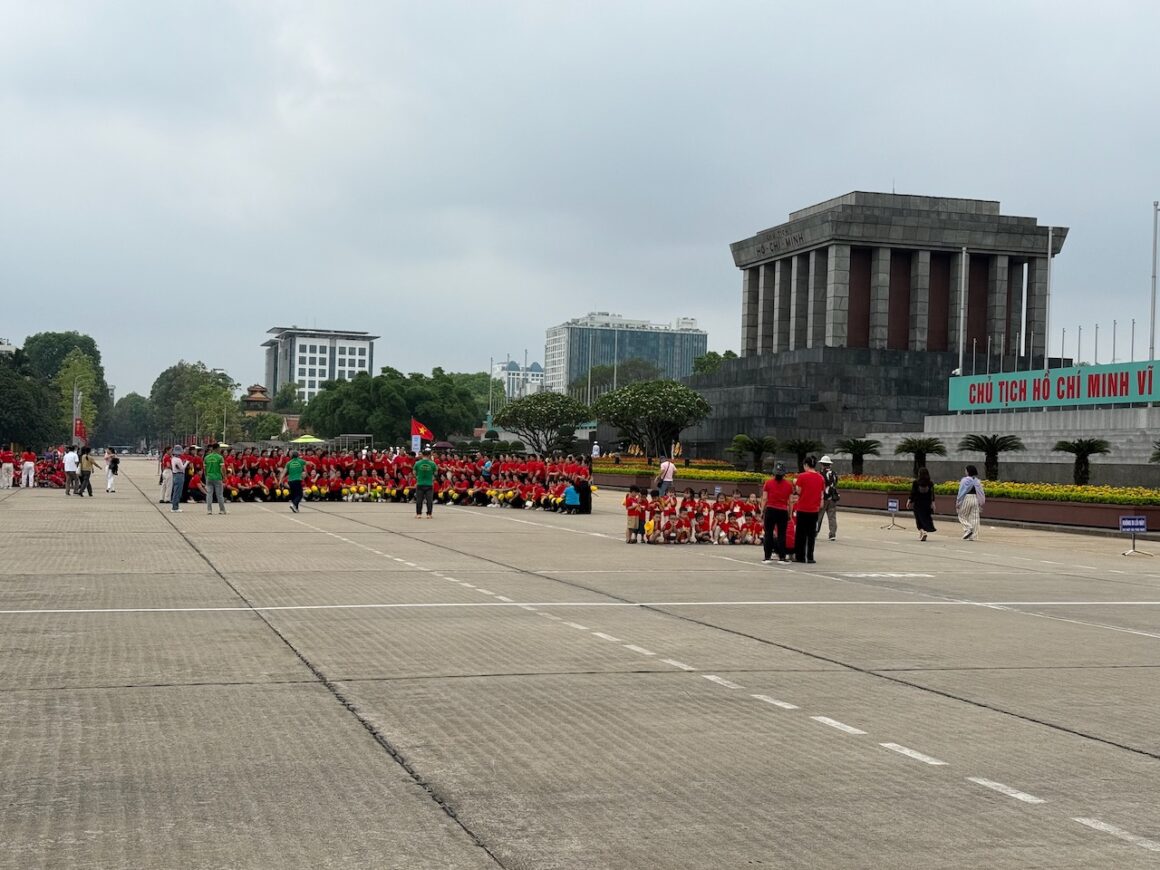
Visitors quietly file through the mausoleum to view the embalmed body of Ho Chi Minh, the revolutionary leader who shaped modern Vietnam. The atmosphere is solemn, respectful, and highly organized. Conservative attire is expected, and photography inside is prohibited.
Adjacent to the mausoleum sits the historic One Pillar Pagoda, one of Vietnam’s most recognizable religious structures. Originally constructed in the 11th century, the small wooden temple rests atop a single pillar rising from a lotus pond, symbolizing purity and enlightenment. Despite its modest size, the pagoda holds deep cultural and spiritual significance.
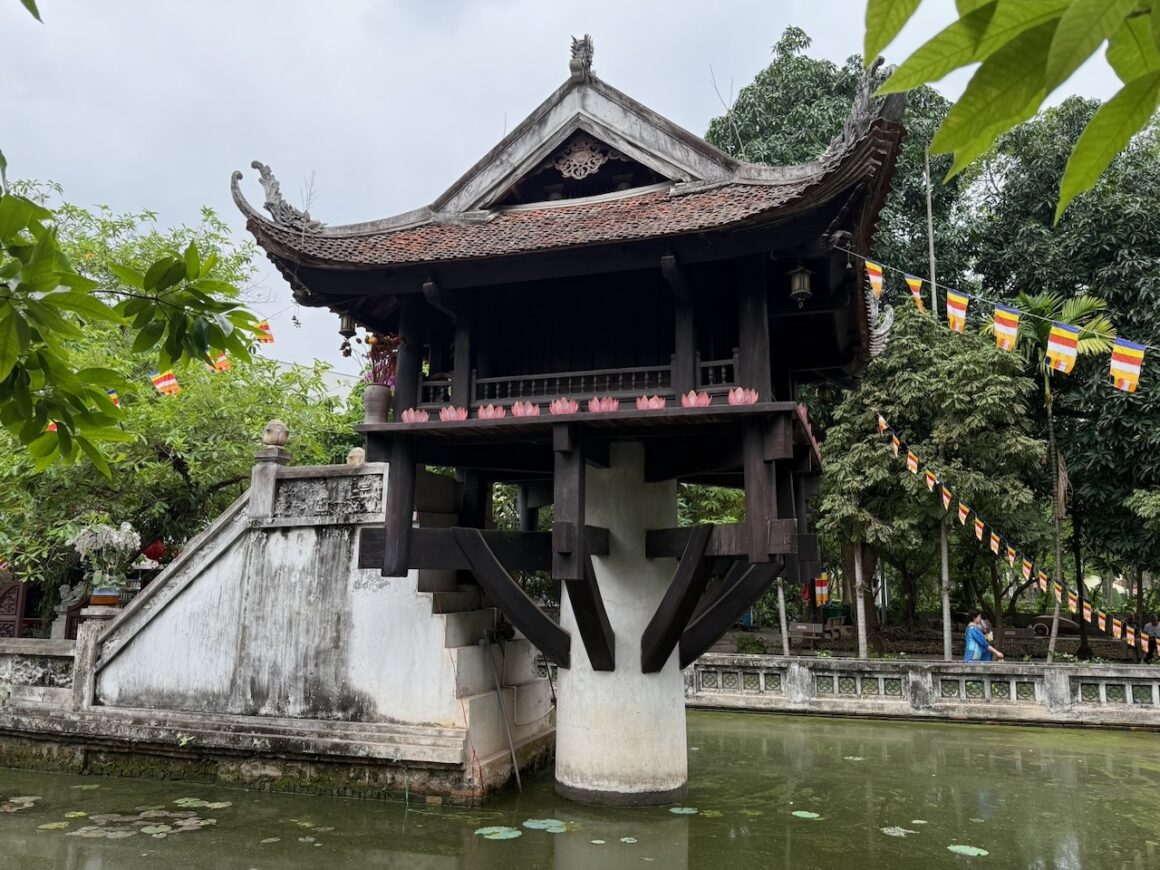
The surrounding green spaces and government buildings create a striking contrast to the chaotic energy of the Old Quarter. We appreciated slowing our pace here and observing locals quietly paying their respects while monks and visitors moved peacefully through the grounds.
Entrance to most surrounding attractions is either free or very inexpensive, generally under $5 USD per person.
The Temple of Literature
One of the most culturally significant and peaceful attractions in Hanoi is the historic Temple of Literature, originally established in 1070 as a temple dedicated to the Chinese philosopher Confucius. Only a few years later, it evolved into Vietnam’s first national university and quickly became the country’s most important center of higher learning for scholars, mandarins, and members of the imperial elite.
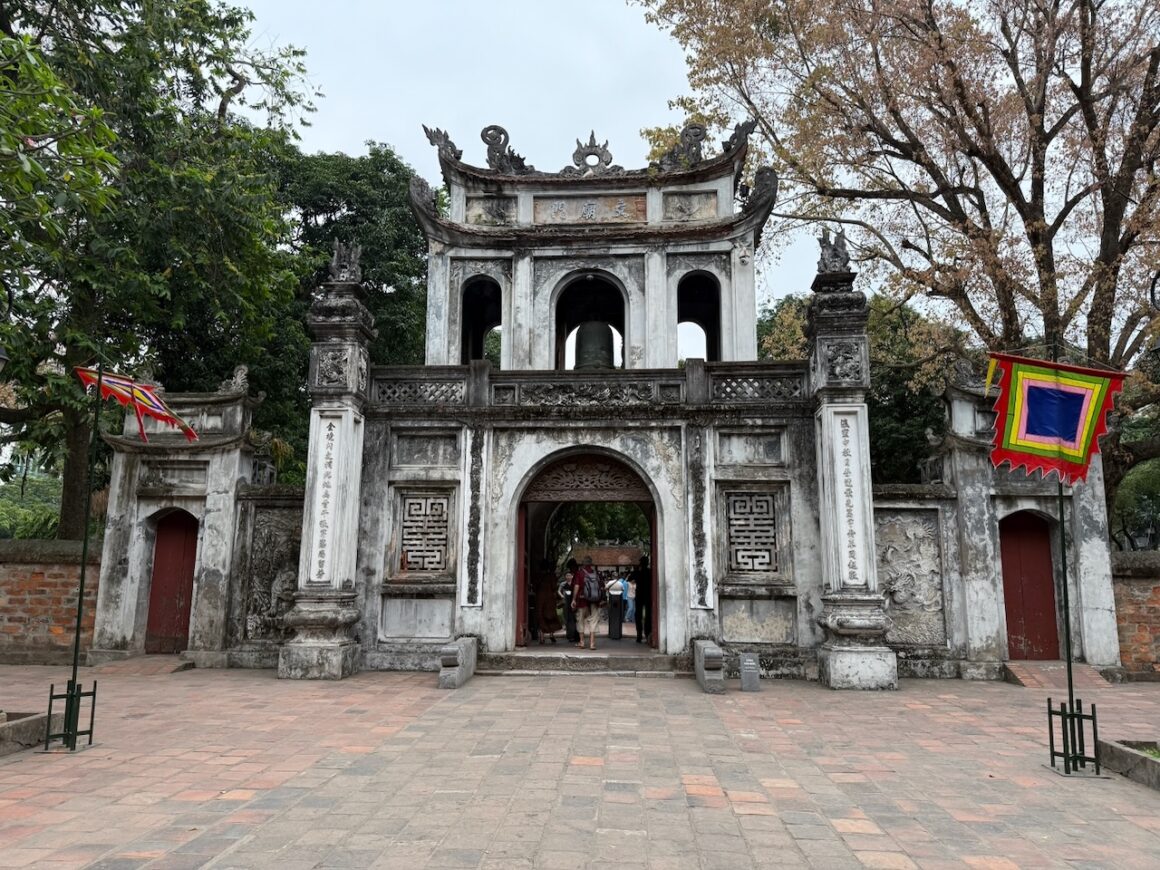
Unlike the energy and intensity of Hanoi’s Old Quarter, the Temple of Literature offers a calm and reflective atmosphere filled with traditional Vietnamese architecture, landscaped courtyards, lotus ponds, and ancient stone pathways. The complex is divided into a series of beautifully preserved courtyards connected by gates and pavilions that symbolize the path toward wisdom and education.
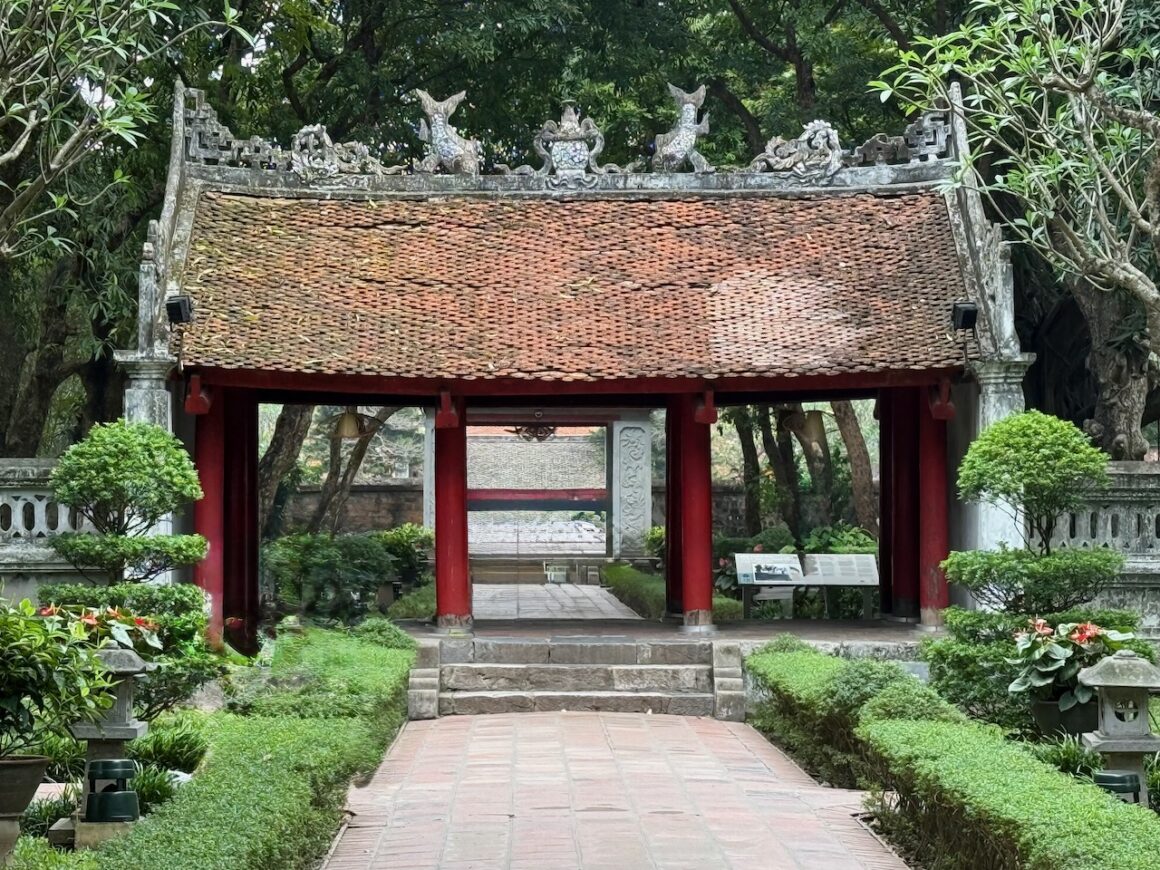
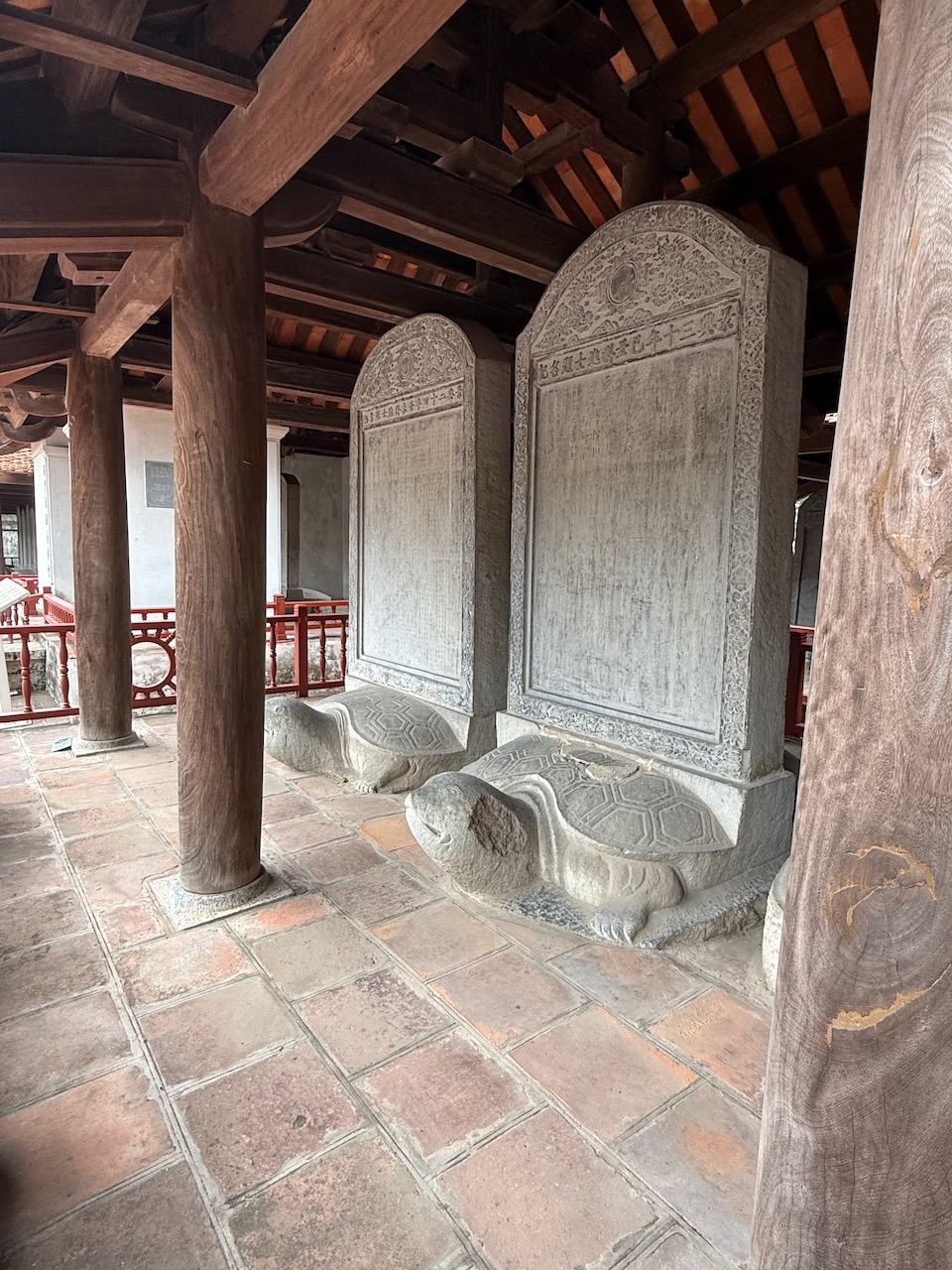
One of the most fascinating features within the temple grounds is the collection of stone stelae mounted on carved turtle statues. These monuments honor the names of successful doctoral graduates who passed rigorous royal examinations centuries ago, reflecting the enormous value Vietnamese society historically placed on education and scholarship.Walking through the temple provided a deeper appreciation for Vietnam’s intellectual and cultural heritage beyond its more widely known wartime history. For travelers seeking a quieter and more meaningful cultural experience, the Temple of Literature remains one of the most rewarding and popular places to visit to experience Hanoi, Vietnam.
Hanoi’s Famous Train Street
One of the Most Unique Urban Experiences in Asia
Among the more unusual attractions in Hanoi, Vietnam is the now world-famous Train Street. Hidden within a narrow residential corridor, this railway line cuts directly through tightly packed homes, cafés, and local businesses.
Sitting only inches from the tracks while enjoying Vietnamese coffee as a train slowly approaches is an unforgettable experience. Moments before arrival, café owners calmly move tables, locals retreat indoors, and visitors press tightly against walls as the locomotive squeezes through the narrow passageway.
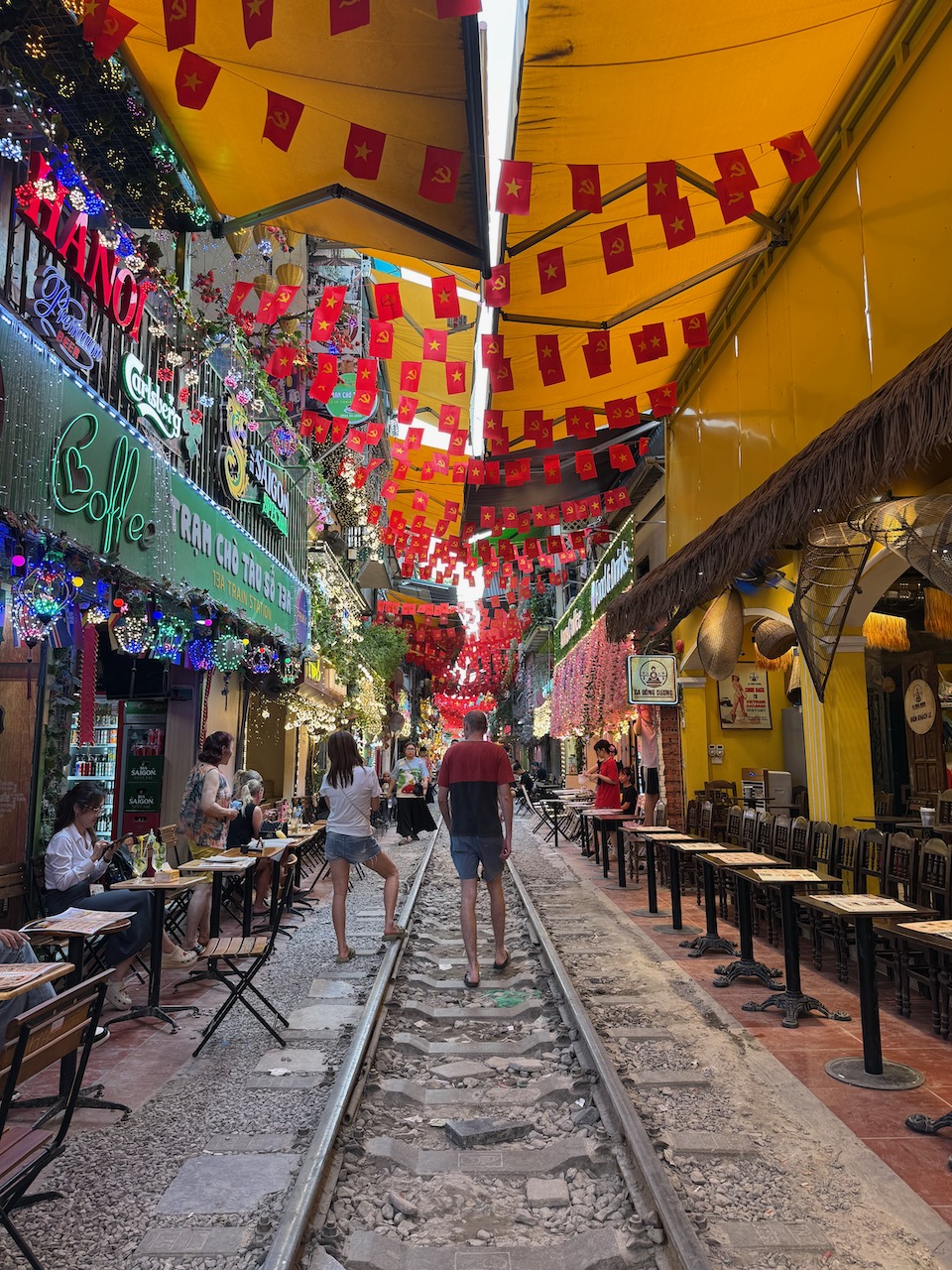
While Train Street has become increasingly regulated for safety reasons, select cafés still permit supervised visits during scheduled train times. Timing is essential, and many cafés now coordinate entry to ensure visitors remain safe.
We found the experience fascinating not only because of the train itself, but because it perfectly reflected Hanoi’s remarkable adaptability and resilience. Life simply continues around the railway as though it were entirely ordinary.
Coffee and refreshments here remain very affordable, usually ranging from $2–$6 USD.
Hoa Lo Prison Museum – The “Hanoi Hilton”
A Sobering Look Into Vietnam’s Turbulent Past
For travelers interested in history, the Hoa Lo Prison Museum is one of the most compelling and emotional sites in the city. Often referred to by American POWs as the “Hanoi Hilton,” the prison carries enormous historical significance tied to both French colonial rule and the Vietnam War.
Originally built by the French in the late 19th century, Hoa Lo Prison was initially used to detain Vietnamese political prisoners under extremely harsh conditions. Decades later, during the Vietnam War, captured American pilots were imprisoned here, giving rise to its infamous nickname.
The museum’s exhibits are sobering and deeply thought-provoking. Original prison cells, shackles, photographs, and preserved artifacts help visitors better understand the hardships endured by prisoners throughout multiple historical eras.
Located centrally within Hanoi’s French Quarter, the museum is easy to visit independently and typically requires 1–2 hours to explore properly. Admission costs are modest, generally under $3 USD per person, making it one of the city’s most worthwhile historical attractions.
Luxury Accommodation & Transportation in Hanoi
Our stay at the 5-star InterContinental Hanoi Westlake provided an excellent balance between serenity and accessibility. Nightly rates generally range between $280–$500 USD depending on season and room category. Other highly rated upscale options include:
- Sofitel Legend Metropole Hanoi
- Capella Hanoi
- Apricot Hotel
Transportation throughout Hanoi proved remarkably easy and affordable. After arriving at Noi Bai International Airport, official airport taxis cost approximately $14–$18 USD, while ride-hailing services such as Grab and Be ranged between $8–$12 USD depending on traffic and demand.
For travelers seeking greater comfort and flexibility, private SUV charters are widely available for approximately $135–$200 USD daily for an 8-hour city service.
Final Travel Tips for Hanoi, Vietnam
Spring and autumn remain the best times to visit Hanoi, Vietnam, particularly from March to April and September to November. During these shoulder seasons, temperatures are considerably more comfortable for walking tours, outdoor dining, and day excursions to nearby destinations such as the famous Ha Long Bay UNESCO site. Summers can become intensely hot, humid, and crowded, while winter months occasionally bring cooler temperatures and haze.
Before arriving, we strongly recommend downloading Grab and Google Maps in advance. Vietnam’s mobile connectivity is excellent, and purchasing either a local SIM card at the airport or activating an e-SIM prior to arrival makes navigating the city substantially easier.
Cash remains extremely useful throughout Hanoi despite the growing acceptance of credit cards at upscale hotels and restaurants. Street vendors, local cafés, and smaller shops often operate on a cash-only basis, so carrying smaller denominations is advisable.
Crossing the street in Hanoi initially appears intimidating due to the endless stream of motorbikes. The key is remaining calm, walking steadily, and maintaining a predictable pace. Drivers instinctively adjust around pedestrians, but sudden stops or quick movements create confusion.
Although Hanoi is considered one of Southeast Asia’s safer capitals for tourists, petty theft and bag snatching occasionally occur in crowded areas. Keep valuables secure and avoid carrying phones openly near busy roadways.Finally, when visiting temples and cultural sites, dress respectfully by covering shoulders and knees. As with any international destination, travelers should also verify the latest visa regulations, health advisories, and entry requirements through official government sources prior to departure.