
Italy had always been high on our travel list, and from the moment we arrived, we understood why it was a favorite among travelers. Walking through Rome, we stood in awe before the Colosseum, imagining the echoes of gladiator battles, while the Pantheon and Trevi Fountain left us mesmerized by their timeless beauty. In Florence, we wandered through the Uffizi Gallery, standing face-to-face with masterpieces by Michelangelo and Botticelli, and later climbed to the top of Piazzale Michelangelo for an unforgettable sunset over the city’s red rooftops.


In Venice, we glided through the canals on a gondola, marveling at the historic palaces lining the water, and got lost in the maze of narrow streets leading to St. Mark’s Basilica. Further south, the stunning cliffs of the Amalfi Coast took our breath away, and in Tuscany, we savored some of the finest wines we had ever tasted while admiring rolling vineyards.


Italy is a popular choice for travelers because it offers history, art, food, stunning landscapes, and a rich culture all in one country. The best times to visit are spring (April–June) and fall (September–October) when the weather is pleasant, and the crowds are smaller. The summer months bring long, sunny days but also large crowds and high temperatures, especially in cities like Rome and Florence. Winter is quieter and great for exploring without the tourist rush, but some coastal areas may feel deserted.
No matter when we visited, Italy never disappointed—its charm, cuisine, and history left us wanting to return again and again.
Amalfi Town
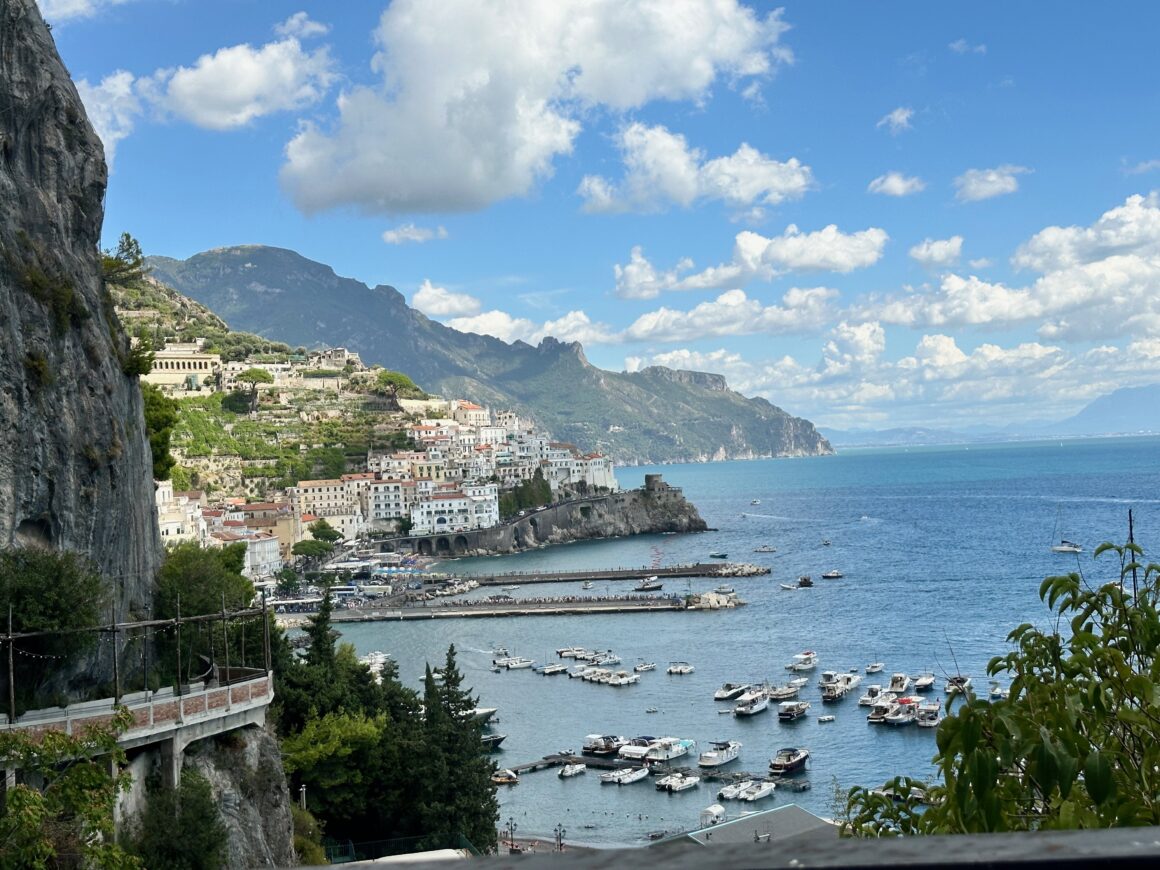
Visiting Amalfi Town offers a blend of dramatic coastal scenery, rich maritime history, and relaxed Mediterranean charm. You can explore the striking Amalfi Cathedral with its grand staircase and Arab-Norman architecture, wander through narrow alleys lined with lemon-scented shops, and enjoy fresh seafood by the sea. The town’s vibrant piazza, colorful buildings, and stunning seaside views make it a perfect base for soaking up the beauty of the Amalfi Coast. Click here to learn more.
Bologna

Bologna immerses you in a city of rich culture, medieval charm, and legendary cuisine. You’ll stroll beneath its endless porticoes, climb the Asinelli Tower for sweeping views, and explore vibrant piazzas like Piazza Maggioresurrounded by historic architecture. Known as Italy’s culinary capital, Bologna tempts with tagliatelle al ragù, fresh tortellini, and bustling food markets that celebrate its deep-rooted gastronomic tradition. Click here to learn more.
Cinque Terre
Visiting Cinque Terre is like stepping into a watercolor painting—five colorful seaside villages clinging to rugged cliffs above the sparkling Ligurian Sea. You’ll hike scenic coastal trails with breathtaking views, swim in hidden coves, and wander through charming streets lined with trattorias, gelaterias, and artisan shops. Each village—Monterosso, Vernazza, Corniglia, Manarola, and Riomaggiore—has its own unique character and pace. Whether arriving by train, boat, or foot, Cinque Terre offers an unforgettable mix of natural beauty, authentic Italian charm, and a laid-back rhythm perfect for relaxing and exploring. Click here to learn more.
Corniglia

Corniglia, the quietest of the Cinque Terre villages, offers a more peaceful and authentic experience high above the sea. Unlike the other towns, Corniglia is not directly on the water, perched instead on a cliffside and reached by climbing a long staircase or taking a shuttle from the train station. Its narrow alleys, terraced vineyards, and sweeping views create a more relaxed, intimate atmosphere. Without a marina or large crowds, Corniglia feels like a hidden retreat—perfect for those seeking a slower, more tranquil slice of the Cinque Terre. Click here to learn more.
Florence

Visiting Florence is like walking through a living museum, where every street corner tells a story from the Renaissance. You’ll marvel at masterpieces in the Uffizi Gallery, stand beneath the awe-inspiring dome of Brunelleschi’s Duomo, and stroll across the historic Ponte Vecchio lined with glittering gold shops. The city is a feast for the senses, with Tuscan cuisine, world-class gelato, and charming piazzas buzzing with life. Florence’s compact size makes it easy to explore on foot, yet its cultural richness is immense. It’s so popular because it combines breathtaking art, history, architecture, and romance in a way few cities in the world can match. Click here to learn more.
Genova

Genoa (Genova) offers a fascinating mix of maritime history, medieval alleys, and vibrant local life along Italy’s northwestern coast. You can explore the grand Palazzi dei Rolli, wander the narrow caruggi (old town streets), and visit the Aquarium of Genoa, one of Europe’s largest. As Italy’s largest seaport, Genoa feels authentic and gritty, with fewer tourists and a rich cultural depth waiting to be uncovered. Click here to learn more.
Lucca
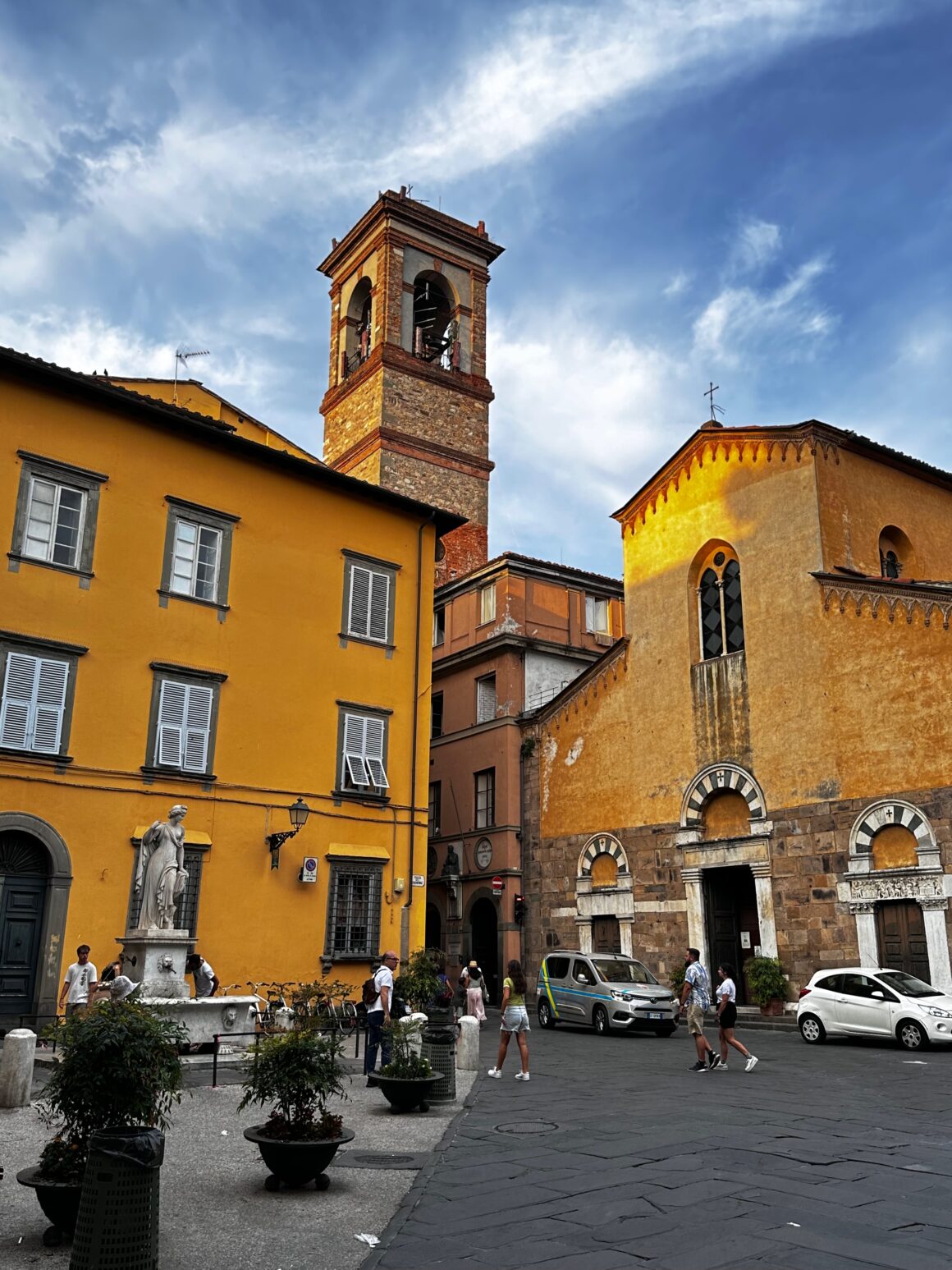
Visiting Lucca is like stepping into a perfectly preserved Tuscan town, wrapped in Renaissance-era walls that you can walk or bike along for panoramic views. Inside, you’ll find charming cobblestone streets, elegant piazzas, and Romanesque churches like San Michele in Foro and Lucca Cathedral. The city has a relaxed, graceful pace, with cozy cafés, boutique shops, and a strong local character. Unlike more tourist-heavy Tuscan cities, Lucca feels peaceful and authentic—ideal for slow exploration and soaking up centuries of history. Click here to learn more.
Manarola

Manarola feels like stepping into a postcard, with its pastel-colored buildings stacked on a rocky cliffside overlooking the vivid blue sea. The town is famous for its stunning viewpoints, especially at sunset, and for the scenic Via dell’Amore walking path connecting it to Riomaggiore. Unlike the beachy vibe of Monterosso or the hilltop quiet of Corniglia, Manarola offers a perfect mix of romance, dramatic coastal scenery, and a more relaxed pace. It’s especially beloved by photographers and couples, thanks to its enchanting harbor and terraced vineyards that wrap around the village. Click here to learn more.
Montalcino

Montalcino offers a quintessential Tuscan experience, with its hilltop setting, medieval charm, and sweeping views of vineyards and olive groves. The town is world-renowned for producing Brunello di Montalcino, one of Italy’s finest and most prestigious red wines. You can tour local wineries, explore centuries-old cellars, and enjoy tastings guided by passionate vintners who share the history behind each bottle. In the village itself, cozy enotecas (wine bars) and traditional trattorias serve local cuisine perfectly paired with Brunello. Montalcino’s deep wine culture, rustic elegance, and tranquil pace make it a dream destination for wine lovers and those seeking an authentic Tuscan escape. Click here to learn more.
Montepulciano
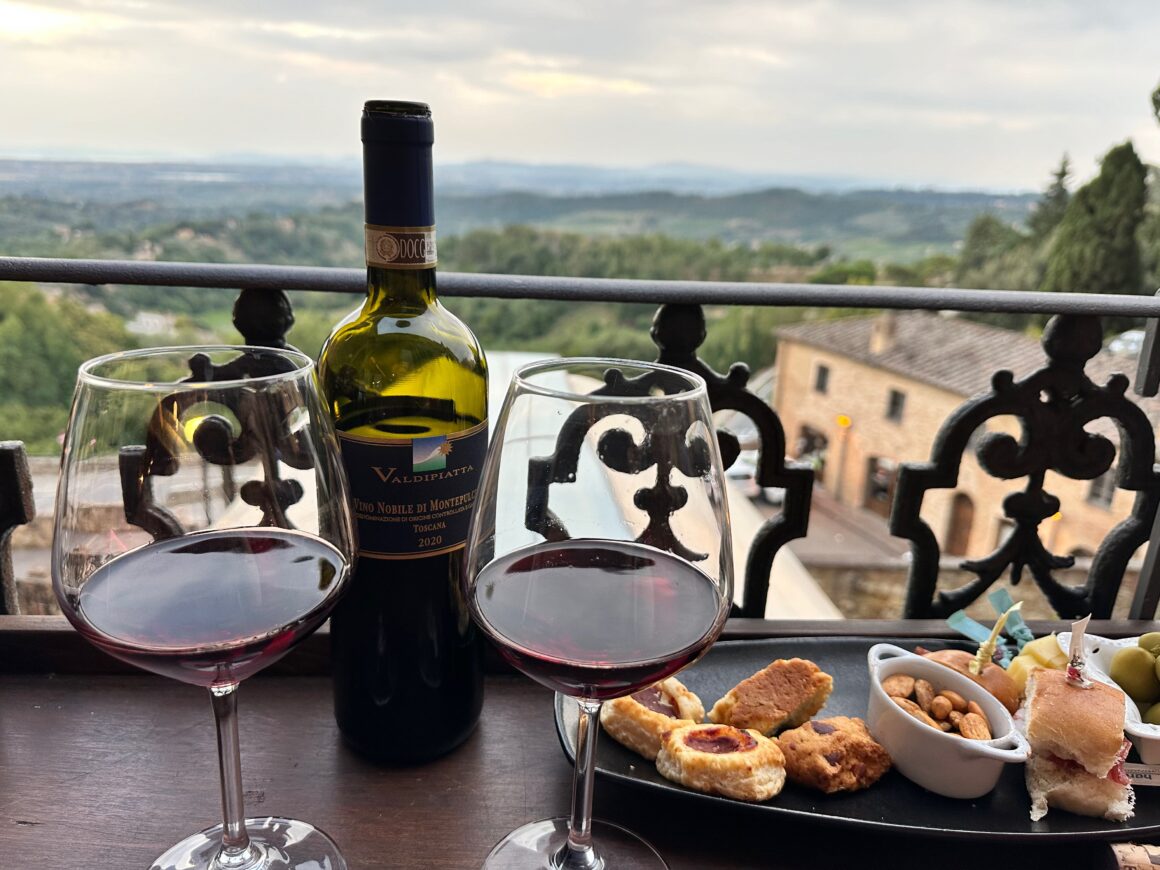
Visiting Montepulciano immerses you in a hilltop town of Renaissance palaces, charming alleyways, and stunning views over the Val d’Orcia and Val di Chiana. It’s famed for its Vino Nobile di Montepulciano, a noble red wine made from Sangiovese grapes that you can taste in historic underground wine cellars carved into the town’s foundations. Compared to Montalcino’s more rustic, Brunello-focused scene, Montepulciano feels grander and more architectural, with a stronger connection to Renaissance art and culture. The wine here is typically more approachable and versatile, yet still steeped in centuries of tradition. Visiting Montepulciano offers a blend of elegant history and warm Tuscan hospitality, perfect for wine lovers and culture seekers alike. Click here to learn more.
Monterosso al Mare

Monterosso al Mare offers a different vibe from the other Cinque Terre villages, thanks to its long sandy beaches and more resort-like atmosphere. It’s the largest of the five towns, divided into an old town and a newer seaside promenade, both filled with lively cafés, shops, and seafood restaurants. Unlike the cliff-hugging villages, Monterosso is flatter and more accessible, making it ideal for sunbathing, swimming, and leisurely strolls. With more space, more accommodations, and a laid-back beach culture, Monterosso feels more relaxed and vacation-friendly than its hillier, more compact neighbors. Click here to learn more.
Pienza

Travelling to Pienza feels like stepping into a Renaissance dream, with perfectly planned streets, romantic vistas over the Val d’Orcia, and a tranquil, timeless charm. Known for its architecture and delicious pecorino cheese, the town invites you to slow down, explore its tidy piazzas, and soak in the beauty of the Tuscan countryside. It’s small, peaceful, and ideal for a relaxing stroll, offering incredible views and rich local flavors. Pienza is about 15 minutes from Montepulciano, 30 minutes from Montalcino, and roughly 1.5 to 2 hours by car from Florence, making it an easy and scenic addition to any Tuscan itinerary. Click here to learn more.
Pisa
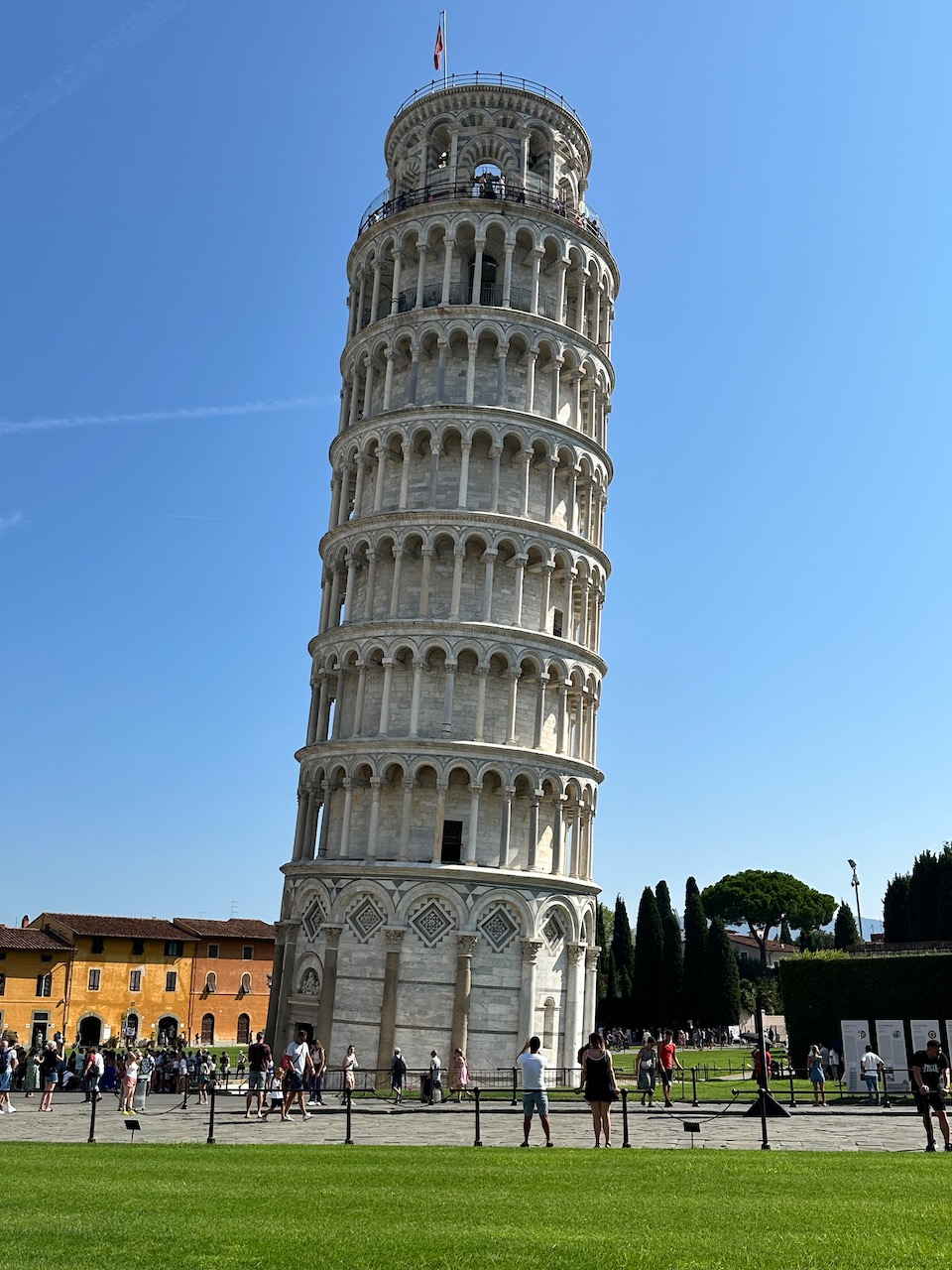
Pisa offers a chance to see one of the world’s most iconic landmarks—the Leaning Tower of Pisa—alongside the stunning Cathedral and Baptistery in the grand Piazza dei Miracoli. Beyond the tower, Pisa has a lively university atmosphere, charming riverside walks along the Arno, and quiet medieval streets to explore. It’s a compact city, easy to enjoy in a day, especially if you venture beyond the main tourist sites. Pisa is located just about an hour by train from Florence, making it a convenient and popular day trip in Tuscany. Click here to learn more.
Portofino
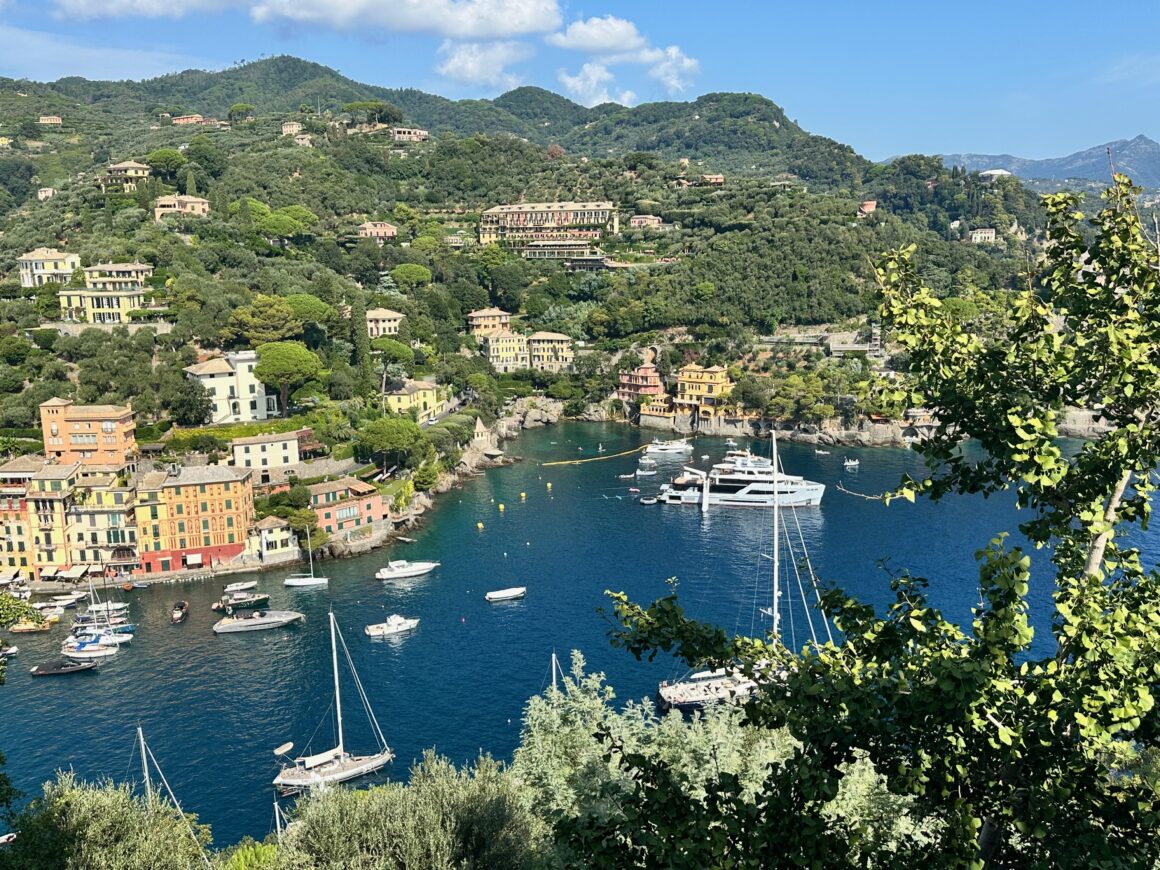
Travelling Portofino feels like stepping into a glamorous postcard, with its pastel-colored harbor, luxury yachts, and chic boutiques nestled against lush green hills. You can stroll along the waterfront, hike to Castello Brown for panoramic views, or relax over fresh seafood at a café overlooking the Ligurian Sea. Portofino is known for its exclusivity, natural beauty, and quiet elegance, drawing visitors seeking both relaxation and sophistication. Click here to learn more.
Although it shares the same seaside allure, Portofino is not part of the Amalfi Coast—it’s located on the Italian Rivierain the Liguria region, in northern Italy, while the Amalfi Coast lies farther south near Naples. Each offers stunning coastal experiences, but Portofino is more intimate and upscale, with a distinctly northern flair. Click here to learn more.
Positano

Visiting Positano offers a stunning blend of dramatic cliffside views, winding streets lined with boutiques, and sun-soaked beaches perfect for relaxation. Its iconic, colorful buildings spill down to the sea in a picture-perfect cascade, making it one of the most photographed towns on the Amalfi Coast. Known for its romantic ambiance and vibrant atmosphere, Positano is a favorite destination for travelers seeking beauty, charm, and coastal elegance. As one of the most famous towns on the Amalfi Coast, it perfectly captures the region’s blend of natural splendor, Mediterranean culture, and laid-back luxury. Click here to learn more.
Ravello
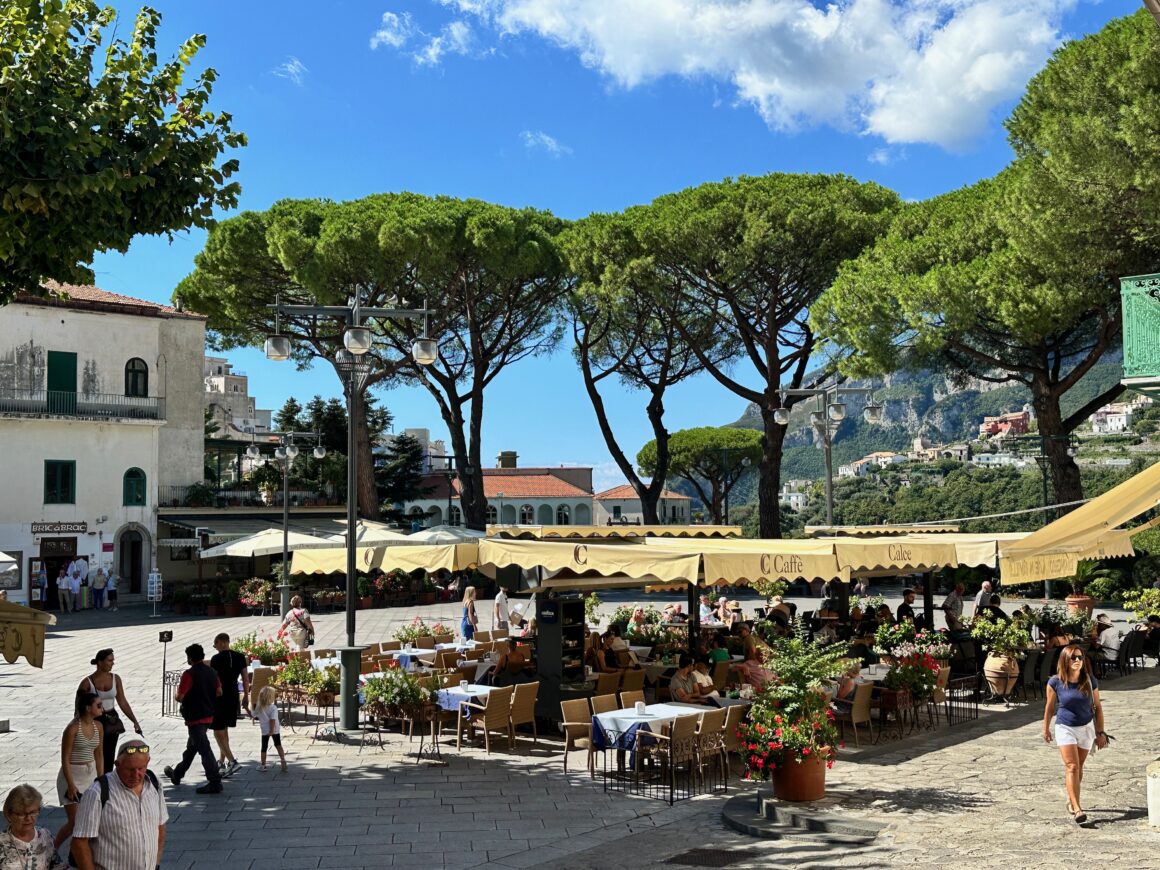
Travelling to Ravello offers a peaceful, elevated escape above the Amalfi Coast, with breathtaking views, elegant gardens, and a refined, romantic atmosphere. Known for its Villa Rufolo and Villa Cimbrone, Ravello is a haven for art, music, and stunning vistas high above the sea. It is considered part of the Amalfi Coast, located near Amalfi Town and Atrani, but unlike the coastal villages, it sits high in the hills and requires a winding drive or bus ride to reach. While getting there involves a bit more effort—via narrow, uphill roads—it’s well worth it for the serenity and panoramic beauty you’ll experience. Click here to learn more.
Riomaggiore

Riomaggiore, the easternmost village of Cinque Terre, greets you with steep, colorful houses cascading down a narrow valley toward a small harbor framed by rugged cliffs. The town has a vibrant, lived-in feel, with bustling local shops, seafood trattorias, and a striking blend of natural beauty and everyday life. It’s known for its dramatic coastal setting and access to the Via dell’Amore, the scenic path to Manarola (when open). Compared to the other towns, Riomaggiore feels more vertical and energetic, making it ideal for adventurous travelers who enjoy climbing, exploring, and soaking in sweeping sea views. Click here to learn more.
Rome

Visiting Rome is like stepping into the pages of history, where ancient ruins stand alongside bustling piazzas and Baroque fountains. You’ll walk in the footsteps of emperors at the Colosseum and Roman Forum, admire the grandeur of St. Peter’s Basilica, and toss a coin into the Trevi Fountain for good luck. Rome is a city of contrasts—sacred and secular, ancient and modern—all layered together in a vibrant, energetic atmosphere. The food is unforgettable, from creamy carbonara to street-side espresso, and every neighborhood has its own distinct charm. Whether you’re exploring the Vatican Museums or simply wandering cobbled alleyways, the city offers a constant sense of discovery. Rome is so popular because it blends history, culture, art, and cuisine into an experience that’s as unforgettable as it is iconic. Click here to learn more.
Sorrento
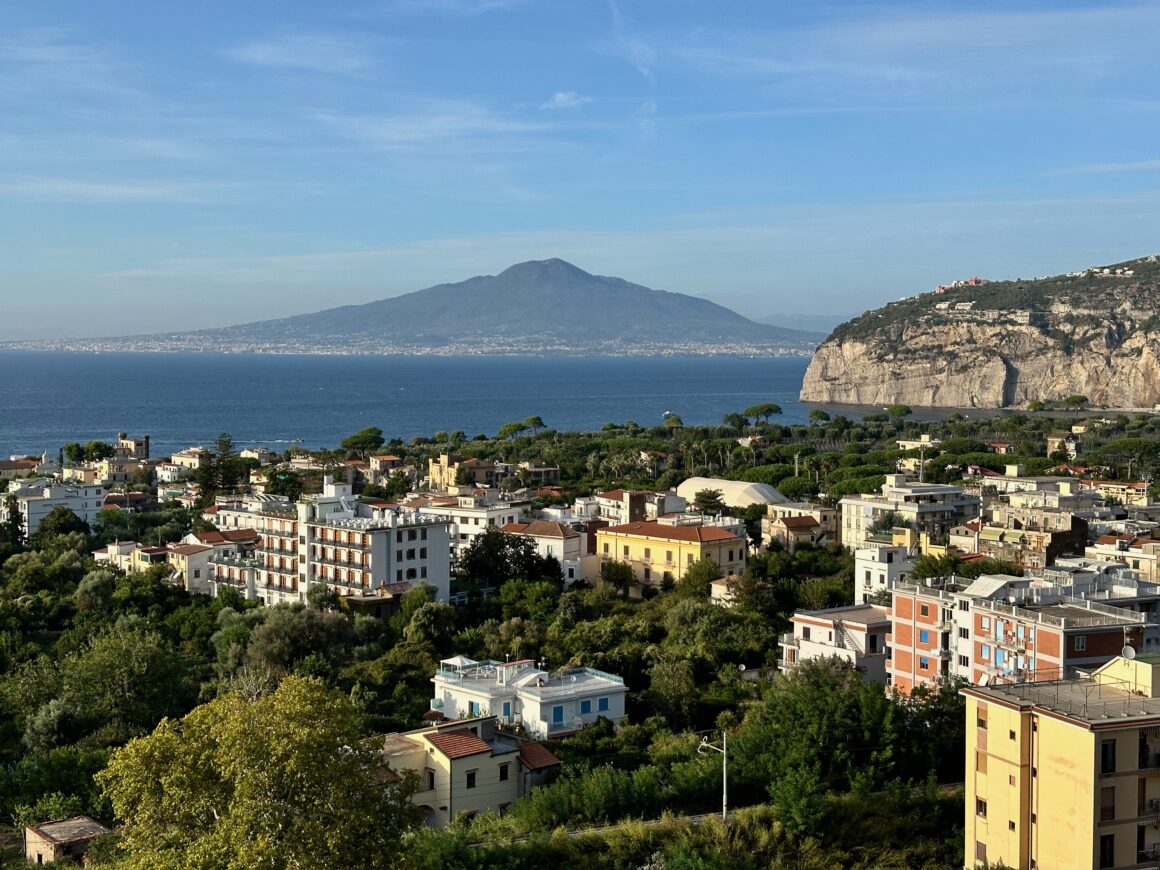
Sorrento offers a perfect mix of seaside relaxation, historic charm, and sweeping views over the Bay of Naples and Mount Vesuvius. You’ll stroll through lemon-scented lanes, enjoy vibrant piazzas, and dine on fresh seafood while watching the sun dip into the sea. Though often associated with the Amalfi Coast, Sorrento technically sits just outside of it, acting as a convenient gateway to towns like Positano, Amalfi, and Ravello, as well as to Capri and Pompeii. It is also not part of the Italian Riviera, which lies much farther north along the Ligurian coast. Sorrento’s blend of accessibility, beauty, and relaxed atmosphere makes it an ideal base for exploring southern Italy’s most iconic destinations. Click here to learn more.
Tuscany

Travelling to Tuscany is a journey into the heart of Italy’s soul—rolling hills dotted with vineyards, medieval hill towns, and golden sunsets that bathe the countryside in a warm glow. It’s a region where time slows down, and every meal, view, and glass of wine feels like a celebration of life. Tuscany’s wine culture is legendary, with deep-rooted traditions and world-class reds like Chianti, Brunello di Montalcino, and Vino Nobile di Montepulciano. These wines are not just drinks—they’re part of the land’s identity, shaped by centuries of craftsmanship and passion. Click here to learn more.
Montalcino offers a rustic, tranquil charm and is world-famous for Brunello di Montalcino, a bold, complex wine aged for years before release. Montepulciano, on the other hand, feels more regal and Renaissance in character, with sweeping views and elegant architecture, producing the refined and approachable Vino Nobile di Montepulciano. Both towns are essential pieces of Tuscany’s rich tapestry, inviting you to slow down, savor the moment, and taste the deep connection between land, history, and wine. Click here to learn more.
Venice

Visiting Venice is like stepping into a living fairy tale—where winding canals replace streets, gondolas glide silently beneath historic bridges, and every corner reveals stunning architecture and hidden charm. You’ll explore iconic sights like St. Mark’s Basilica, the Doge’s Palace, and the romantic Rialto Bridge, while also discovering quieter neighborhoods filled with cozy cafés and artisan shops. The city’s unique blend of art, history, and water-bound beauty creates an unforgettable atmosphere unlike anywhere else in the world.
While Venice differs greatly from the grand historical sweep of Rome and the Renaissance masterpieces of Florence, it is no less captivating. Each city offers a distinct experience—Venice’s allure lies in its magical waterways and intimate scale, making it a must-see destination for any traveler to Italy. Though sometimes crowded, especially near major landmarks, Venice’s charm and uniqueness more than justify a visit. It’s a place that stays with you long after you leave. Click here to learn more.
Verona
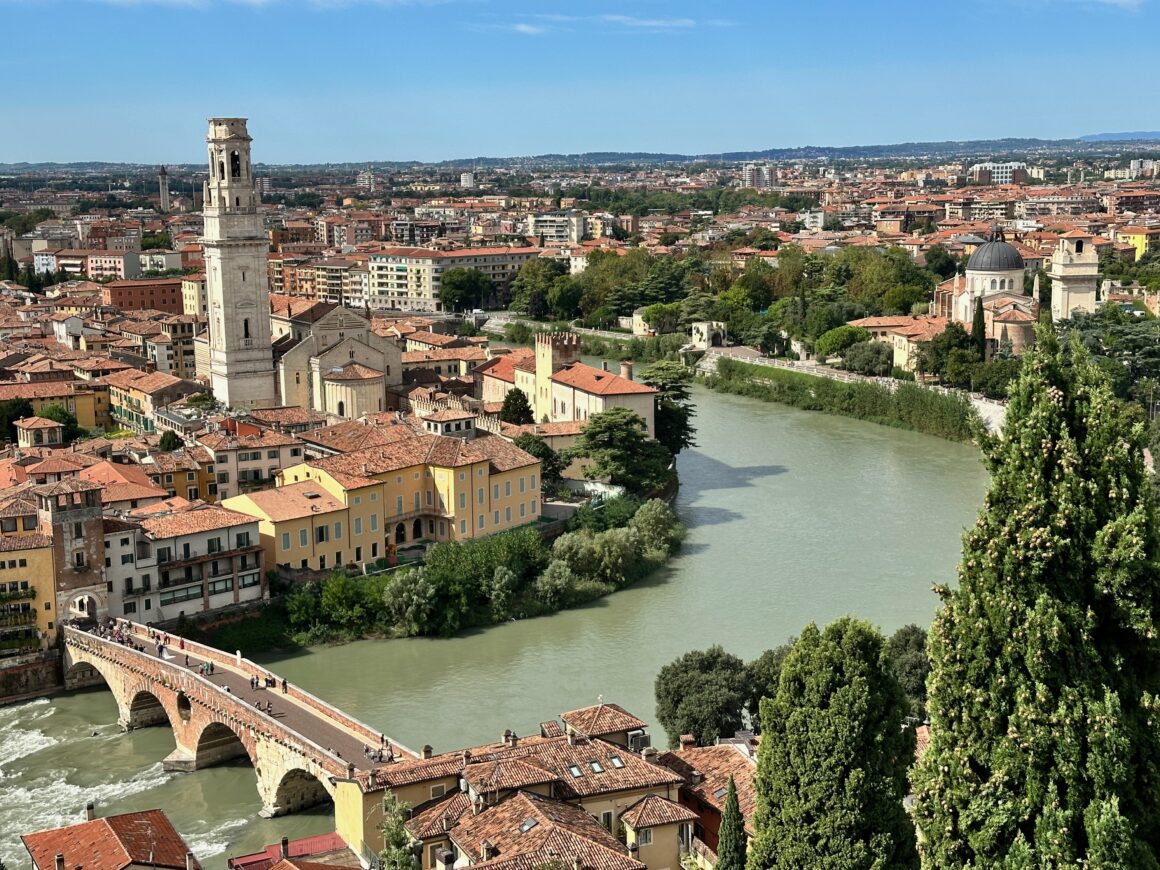
Visiting Verona immerses you in a city of rich history, Roman ruins, and romantic legends, from the impressive Arena di Verona to Juliet’s famous balcony. The charming medieval streets, lively piazzas, and delicious local cuisine create a vibrant yet relaxed atmosphere perfect for exploration. Verona is conveniently located in northern Italy, about 1.5 hours by train from Milan and less than 2 hours from Venice, making it an ideal base for exploring the region’s major cultural centers. Its blend of history, art, and accessibility makes Verona a must-visit gem. Click here to learn more.
Vernazza

Visiting Vernazza immerses you in one of the most picturesque and charming villages of Cinque Terre, with its colorful houses cascading toward a small harbor surrounded by cliffs. The town’s lively piazza by the sea is perfect for enjoying fresh seafood, local wine, and watching fishing boats drift in and out. Unlike some of the quieter villages, Vernazza has a vibrant, romantic energy and a dramatic coastline that’s especially stunning at sunset. Its blend of beauty, accessibility, and lively atmosphere makes it a favorite for many visitors exploring the Cinque Terre. Click here to learn more.