
Verona: Romance, Roman Ruins, and Northern Italian Charm in Three Days
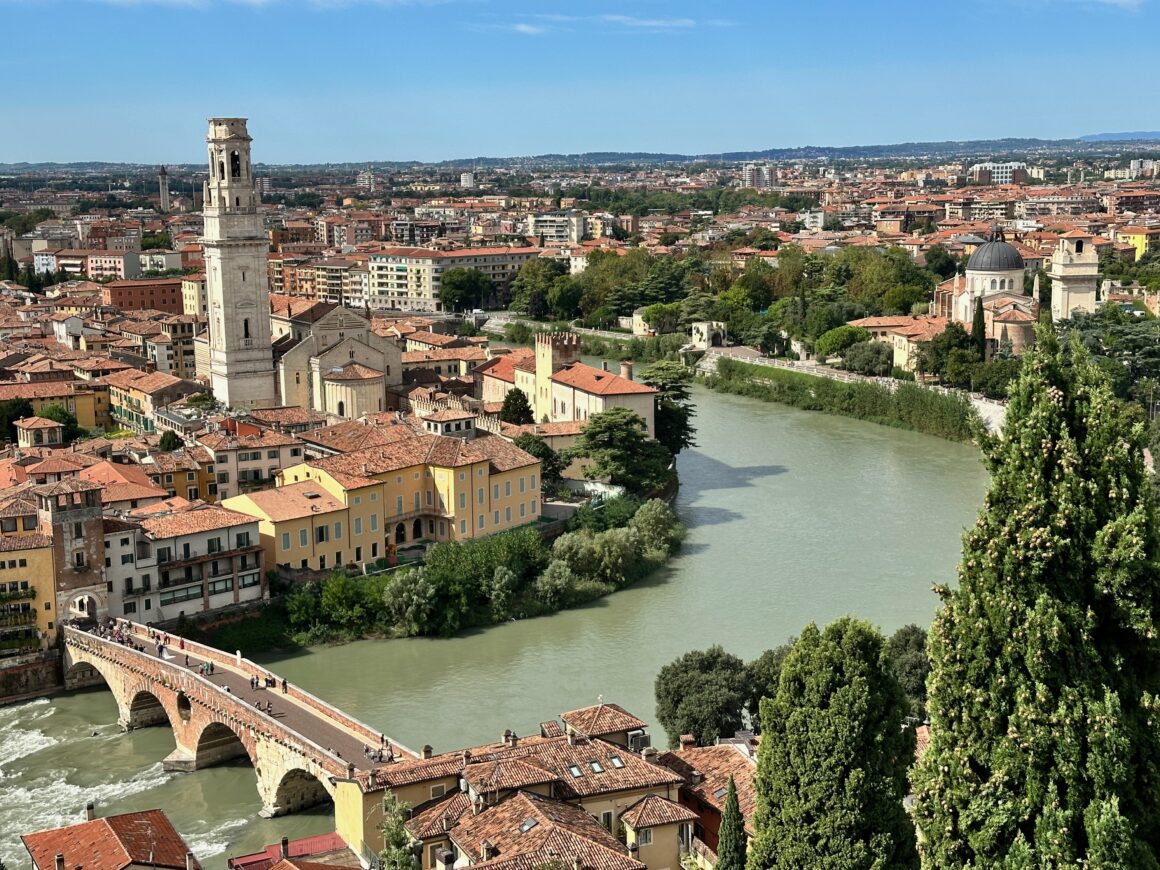
We arrived in Verona by train at the Verona Porta Nuova station from Bologna in the early afternoon—just a 90-minute journey—greeted by golden sunlight warming the ancient stones of this elegant city. Nestled between Milan and Venice in northern Italy’s Veneto region, Verona is often overlooked—but that’s part of its magic. It’s a place where romance and history meet cobbled streets, Renaissance facades, and a relaxed pace that feels immediately welcoming. Over three unforgettable days, we discovered why this city is so much more than just the setting of Romeo and Juliet.
Ancient Stones and Shakespearian Lore
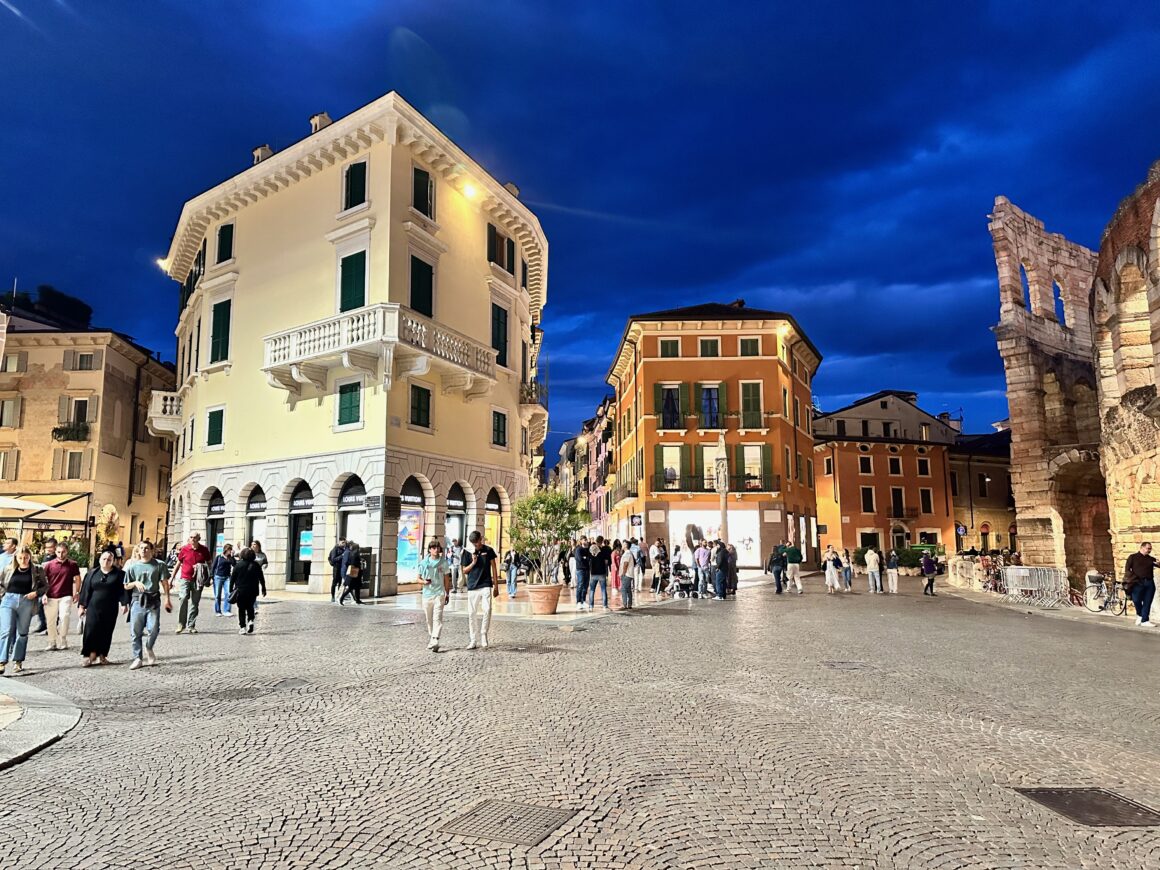
After checking into our centrally located boutique hotel—quaint, quiet, and far more affordable than Venice or Florence—we stepped out to explore. Everything in Verona is walkable, and the pace here is gentle. Our first stop: the Verona Arena, a remarkably preserved Roman amphitheatre dating back to the 1st century AD. Standing inside its vast, open stone oval, we imagined gladiator games and opera performances under the stars—still held here today in the summer months.
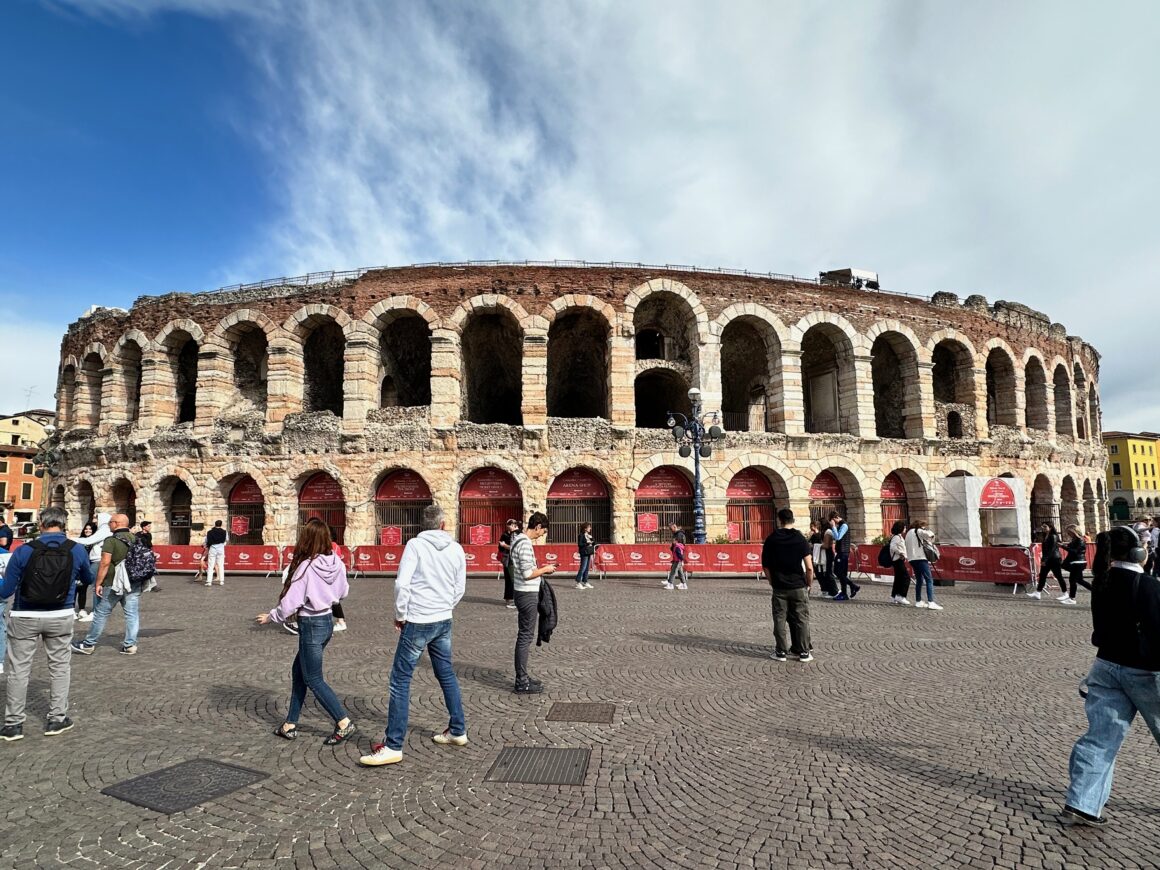
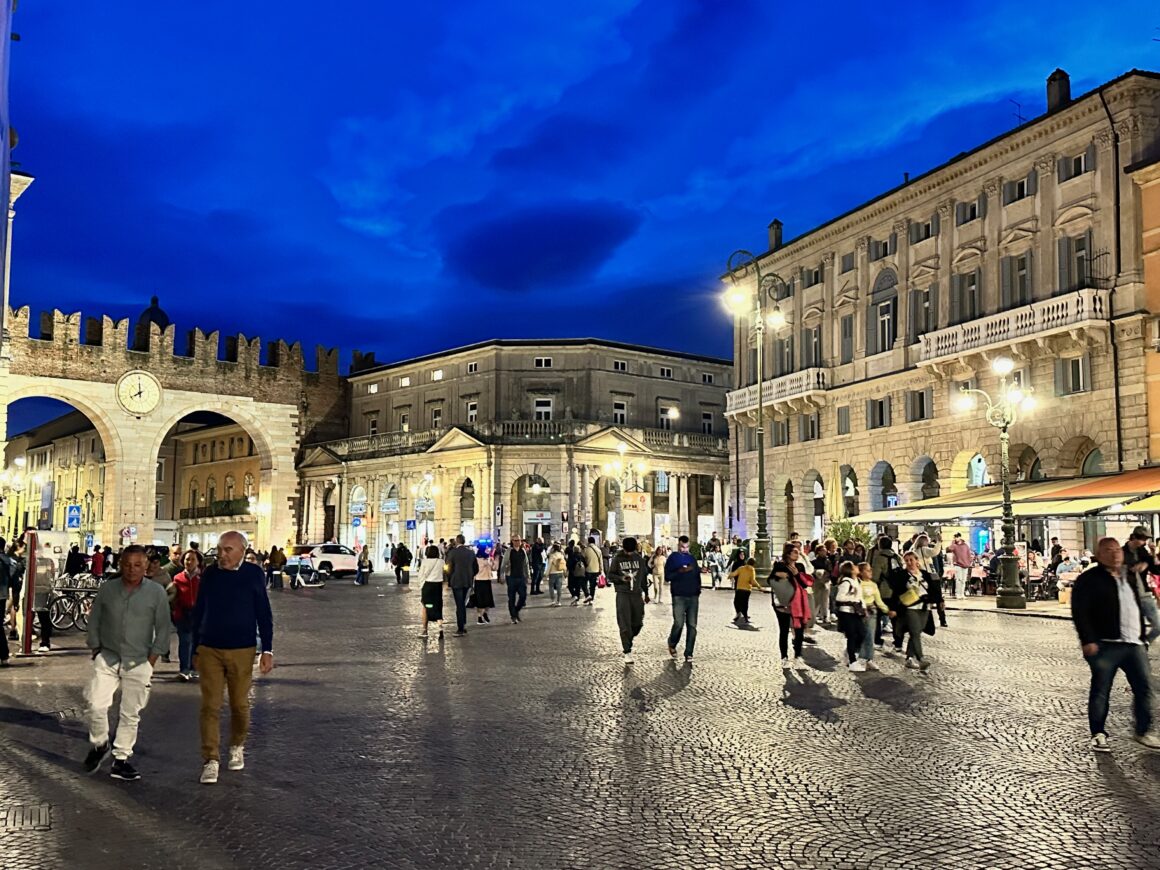
Piazza Bra is Verona’s largest and most lively square, located just outside the ancient city gates. It’s home to the impressive Verona Arena, a Roman amphitheatre that still hosts concerts and opera performances today. Surrounded by cafés, restaurants, and elegant buildings, it’s a perfect place to relax, people-watch, or begin your exploration of the city.
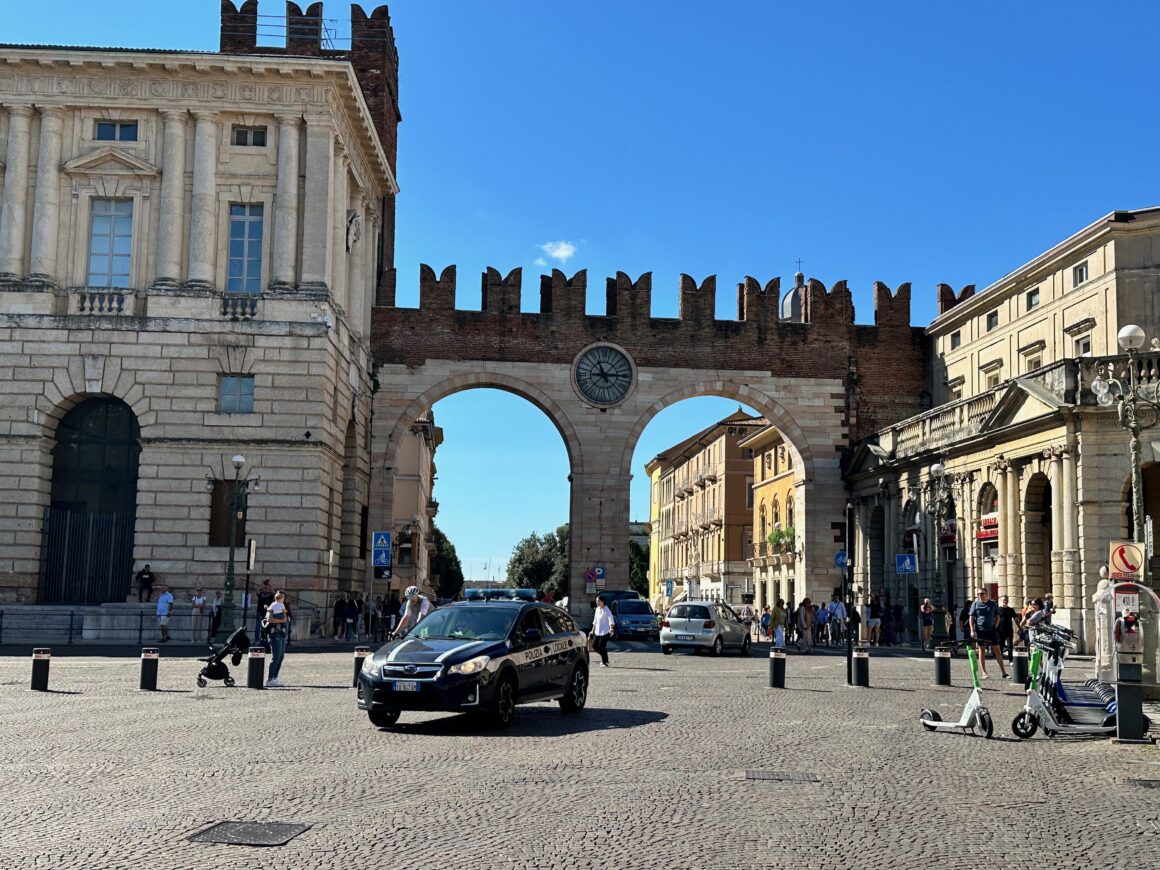
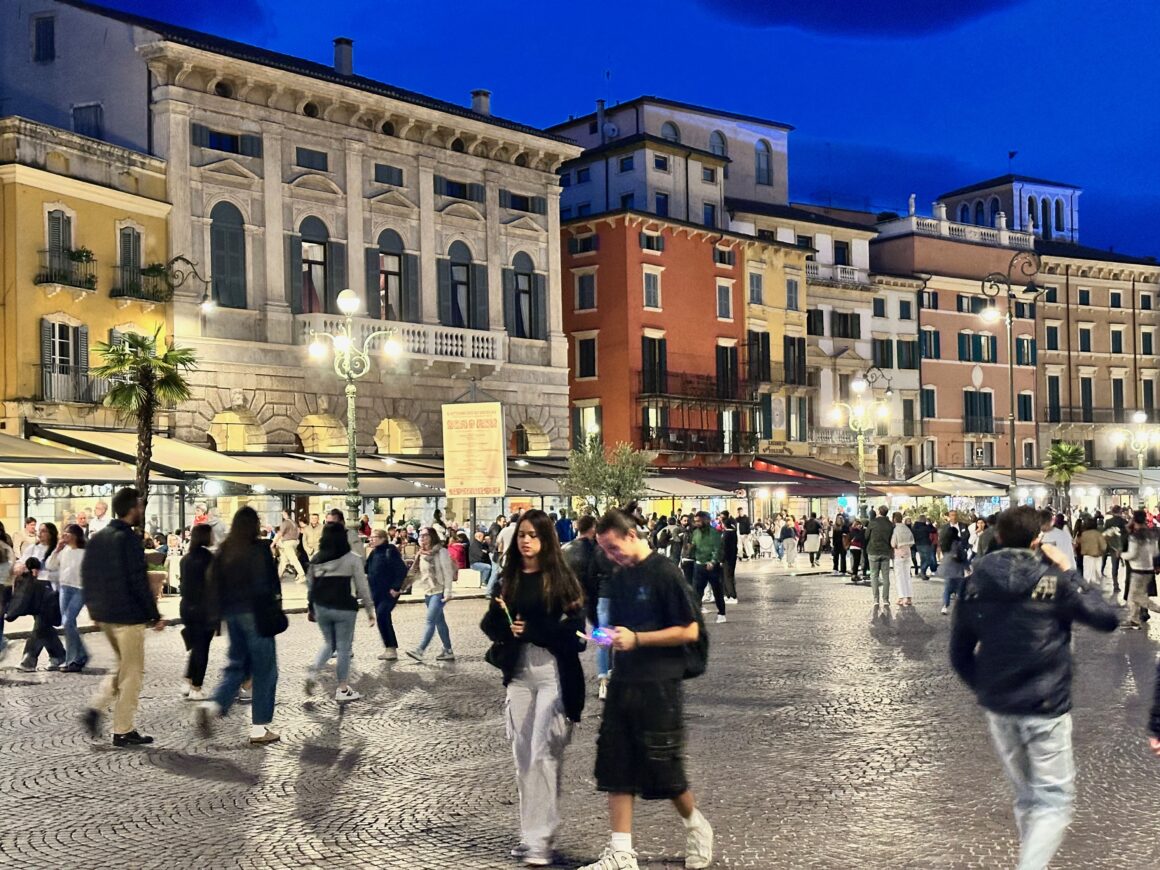
Old Verona, the historic heart of the city, is a captivating blend of Roman ruins, medieval architecture, and Renaissance charm. Wandering its cobbled streets reveals ancient gates, grand piazzas, and centuries of history layered into every stone and alleyway.
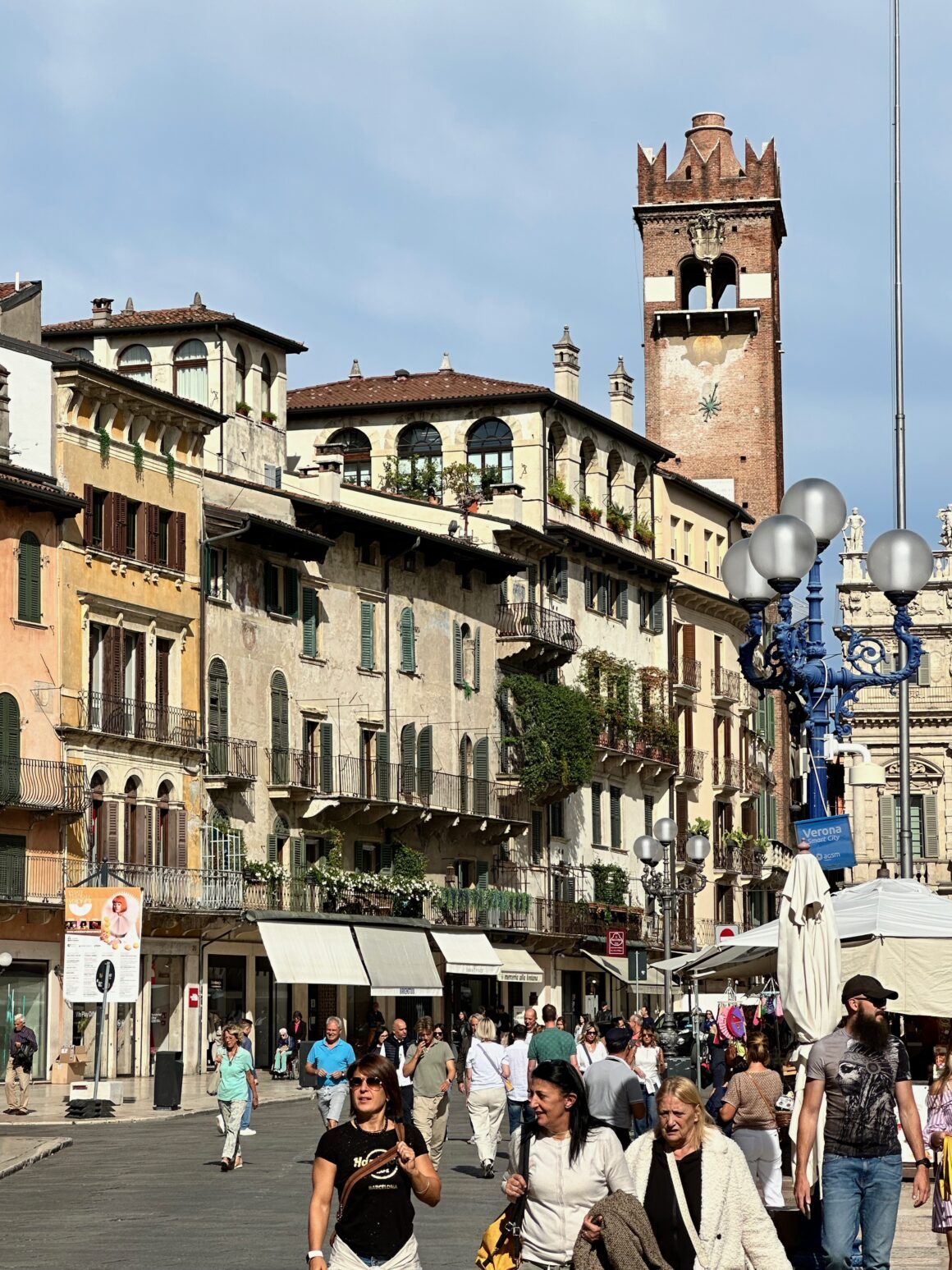
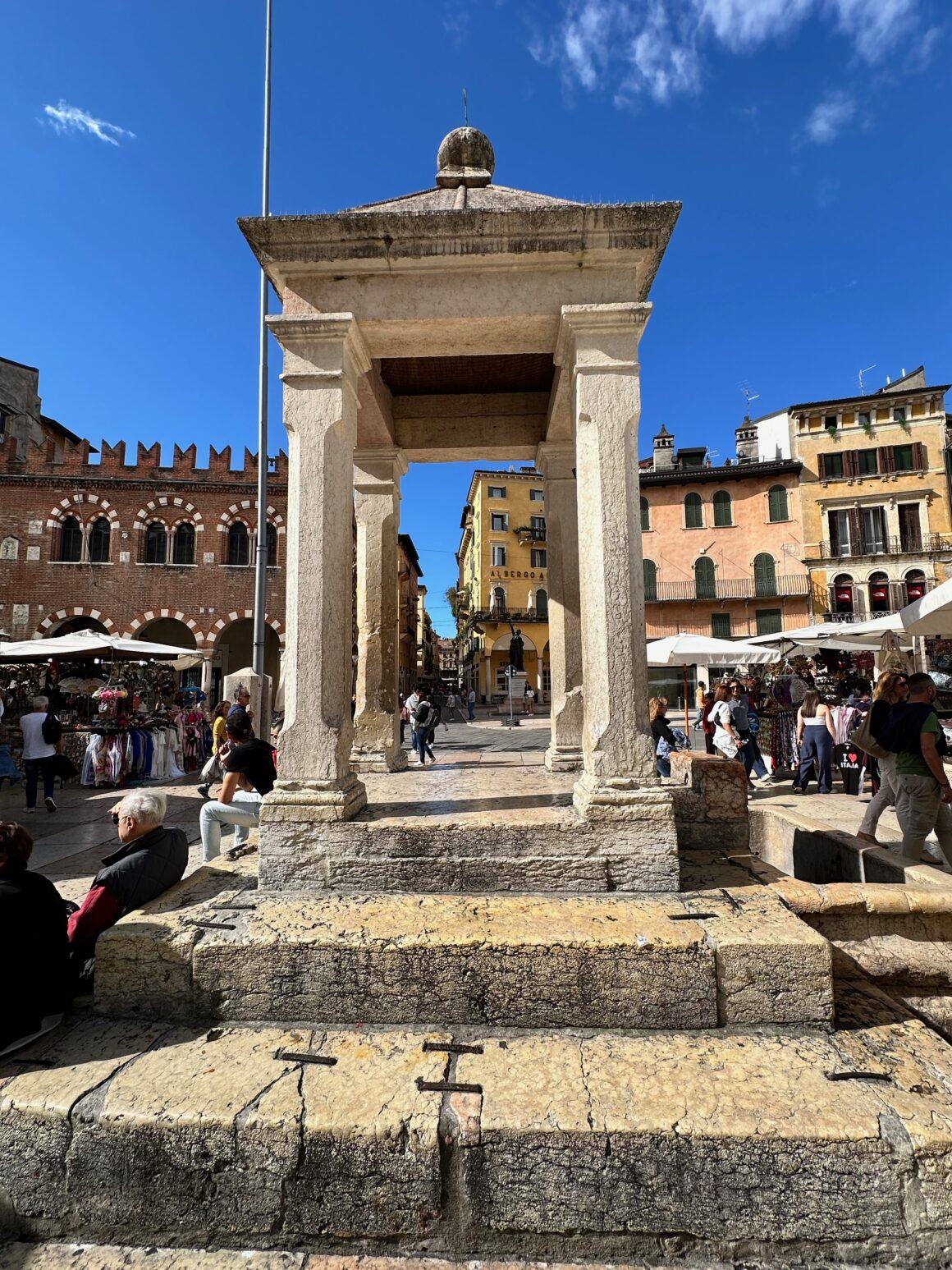
From there, we wandered to Piazza delle Erbe, once the Roman forum and now a lively square lined with frescoed buildings, market stalls, and cozy cafés.
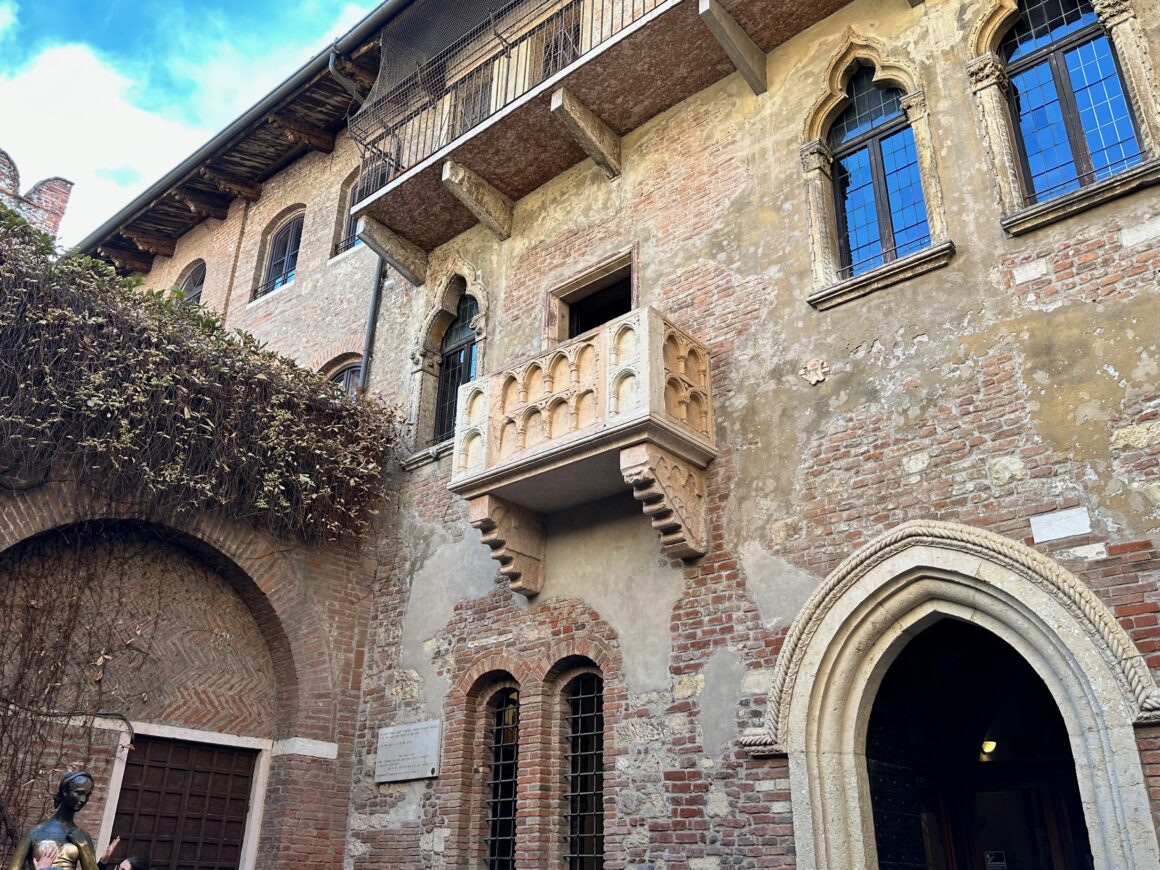
Just around the corner, we made the pilgrimage to Juliet’s House, complete with her famed balcony and the statue in the courtyard below. Yes, it’s a little touristy, but still a romantic nod to literature’s most famous lovers.
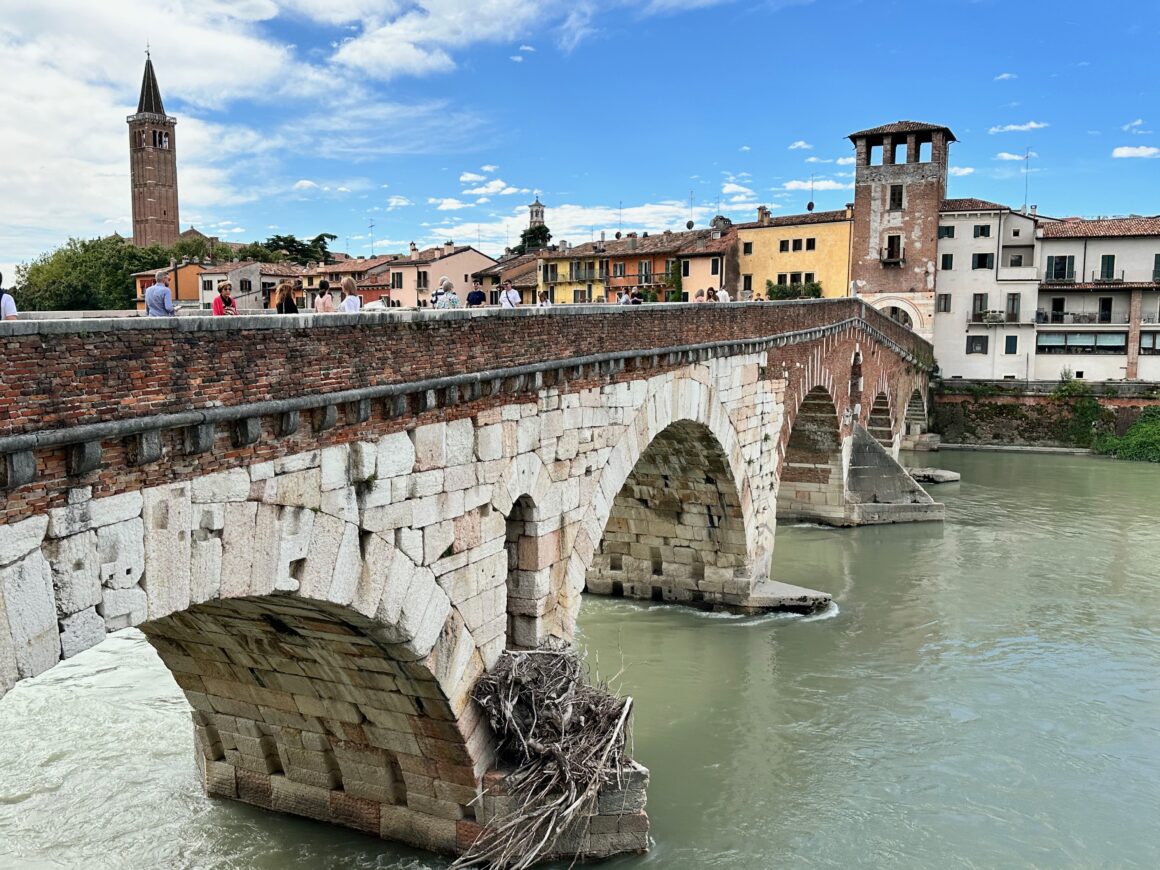
As evening fell, the city took on a golden glow. We found a spot on the Ponte Pietra, Verona’s oldest bridge, to watch the sunset over the Adige River.
For dinner, we followed local recommendations and ventured into the San Zeno district, where we dined in a candlelit trattoria. The risotto all’Amarone and local Valpolicella wine were unforgettable—far from tourist crowds and full of authentic flavor.
Churches, Castles, and Scenic Views
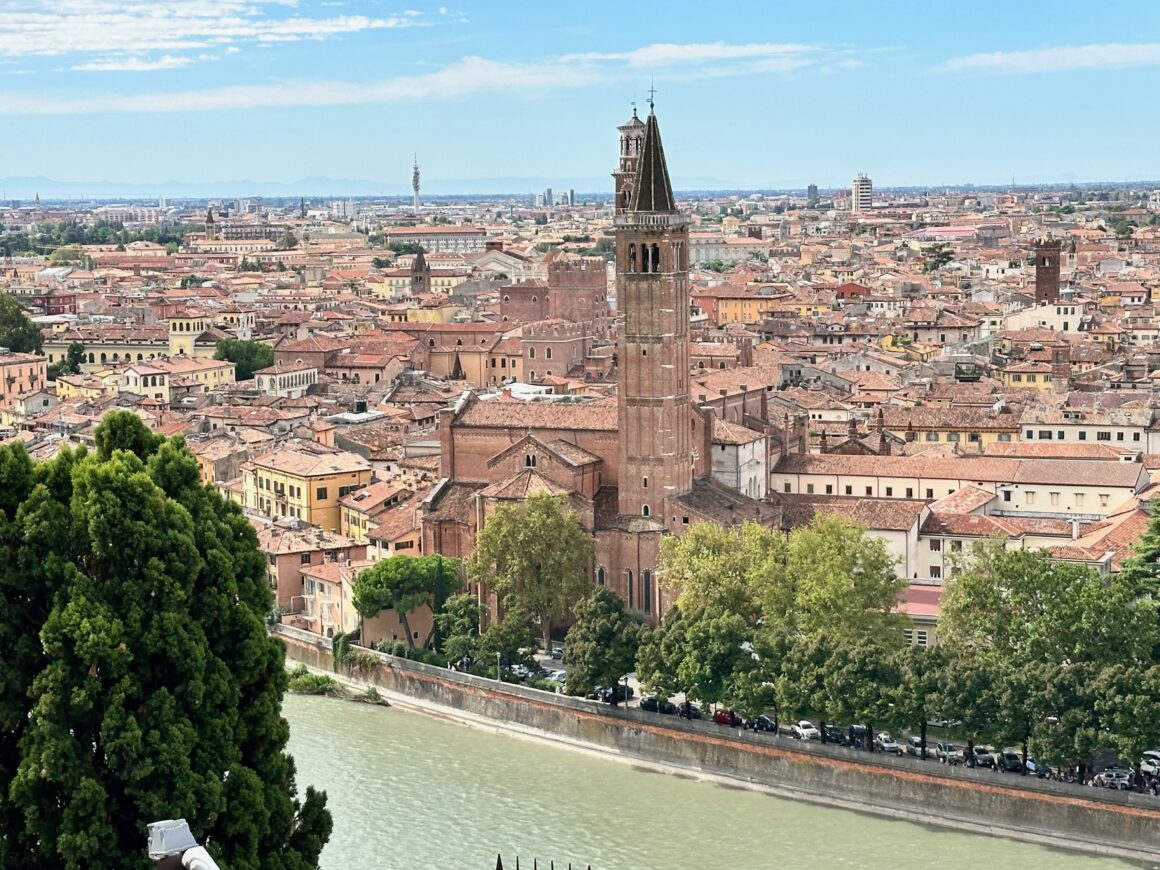
We travelled over to the Piazzale Castel San Pietro which offers one of the most breathtaking panoramic views of Verona, perched high above the city on a hilltop across the Adige River. Though the castle itself is closed to the public, the surrounding terrace is a favorite spot to watch the sunset over Verona’s rooftops, towers, and winding canals. You can reach it by a scenic climb up the stairs from Ponte Pietra or take the funicular for a gentler ascent. It’s a peaceful escape from the bustling streets below and a perfect place to pause and take in the timeless beauty of the city.
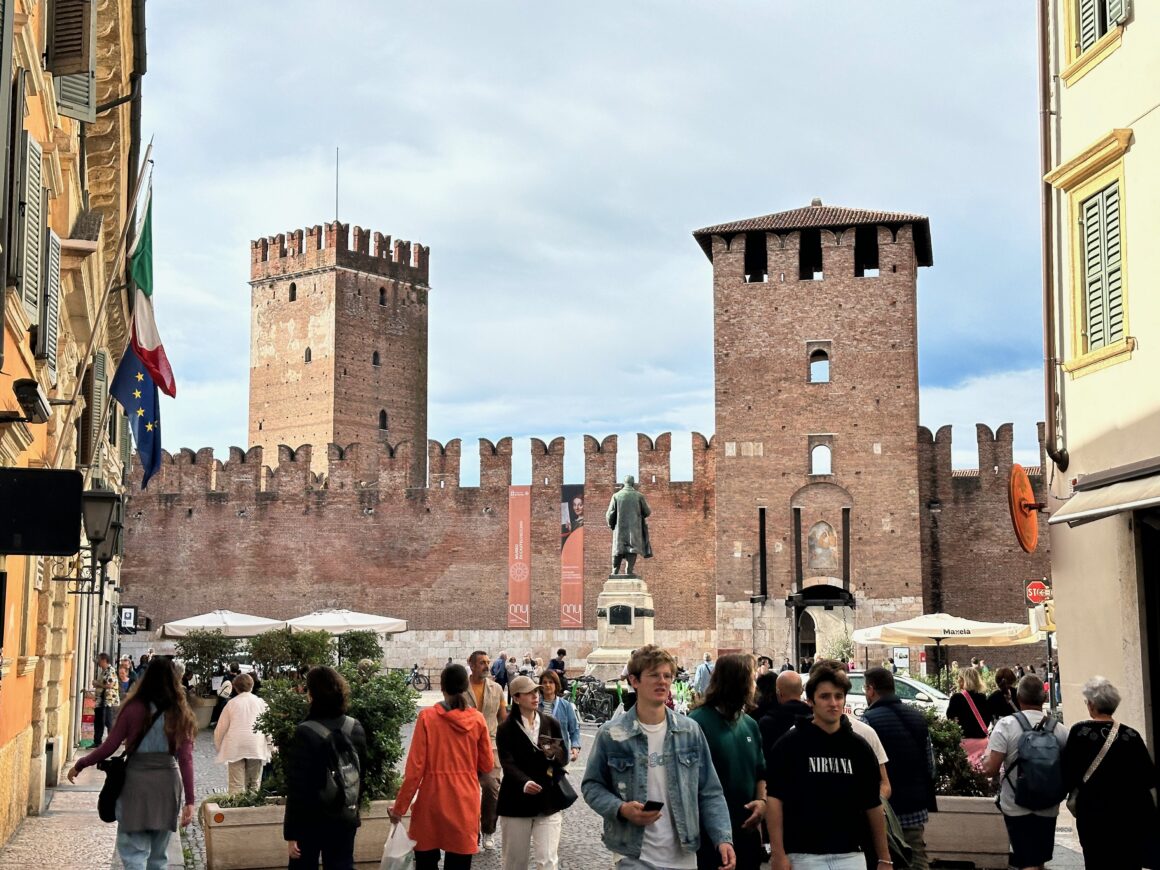
We started our second day with a visit to Castelvecchio, a 14th-century fortress turned art museum. Walking along its crenellated walls and across its red-brick bridge, we soaked up views of the river and learned more about Verona’s role through the Middle Ages and Renaissance.
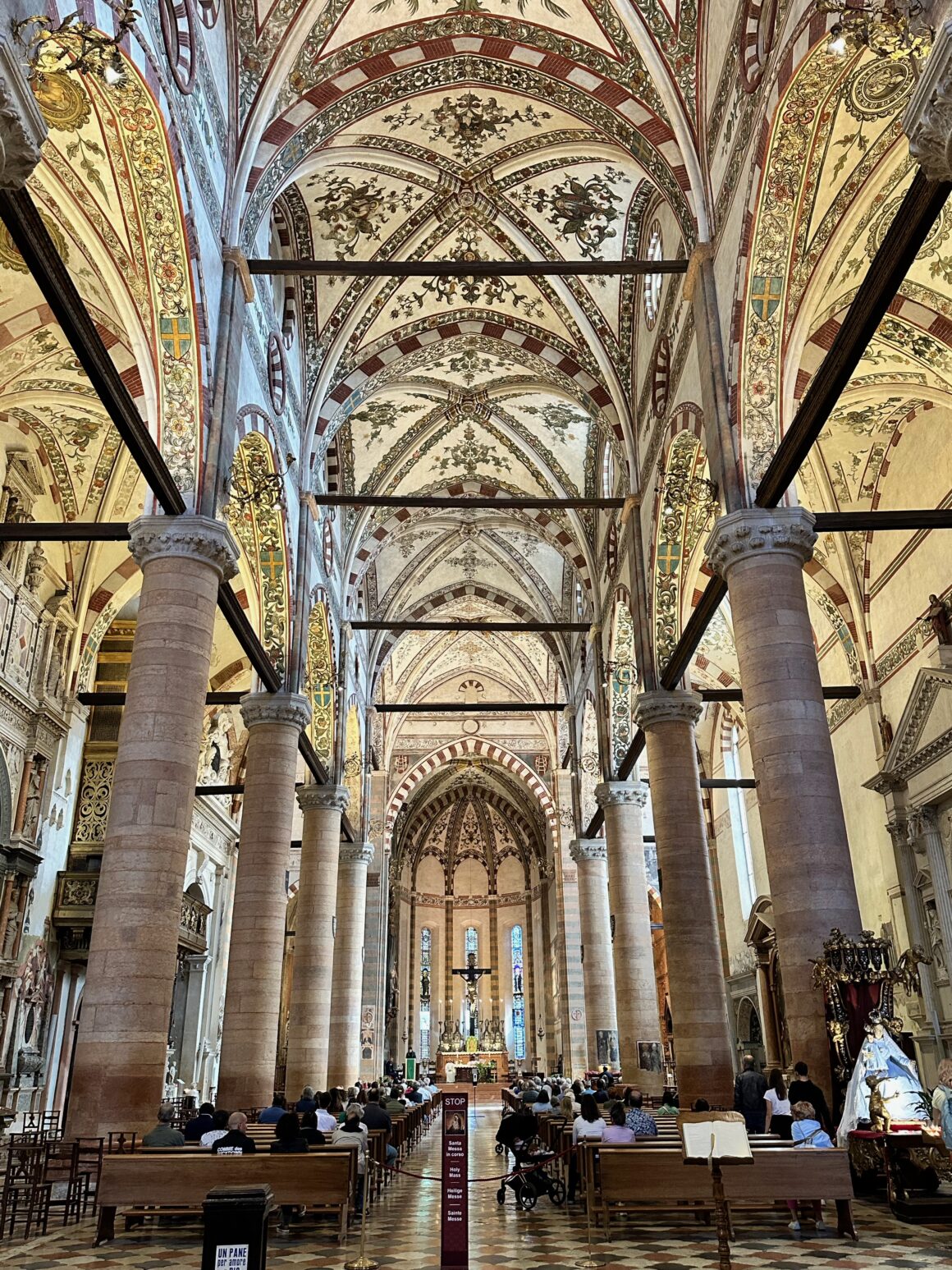
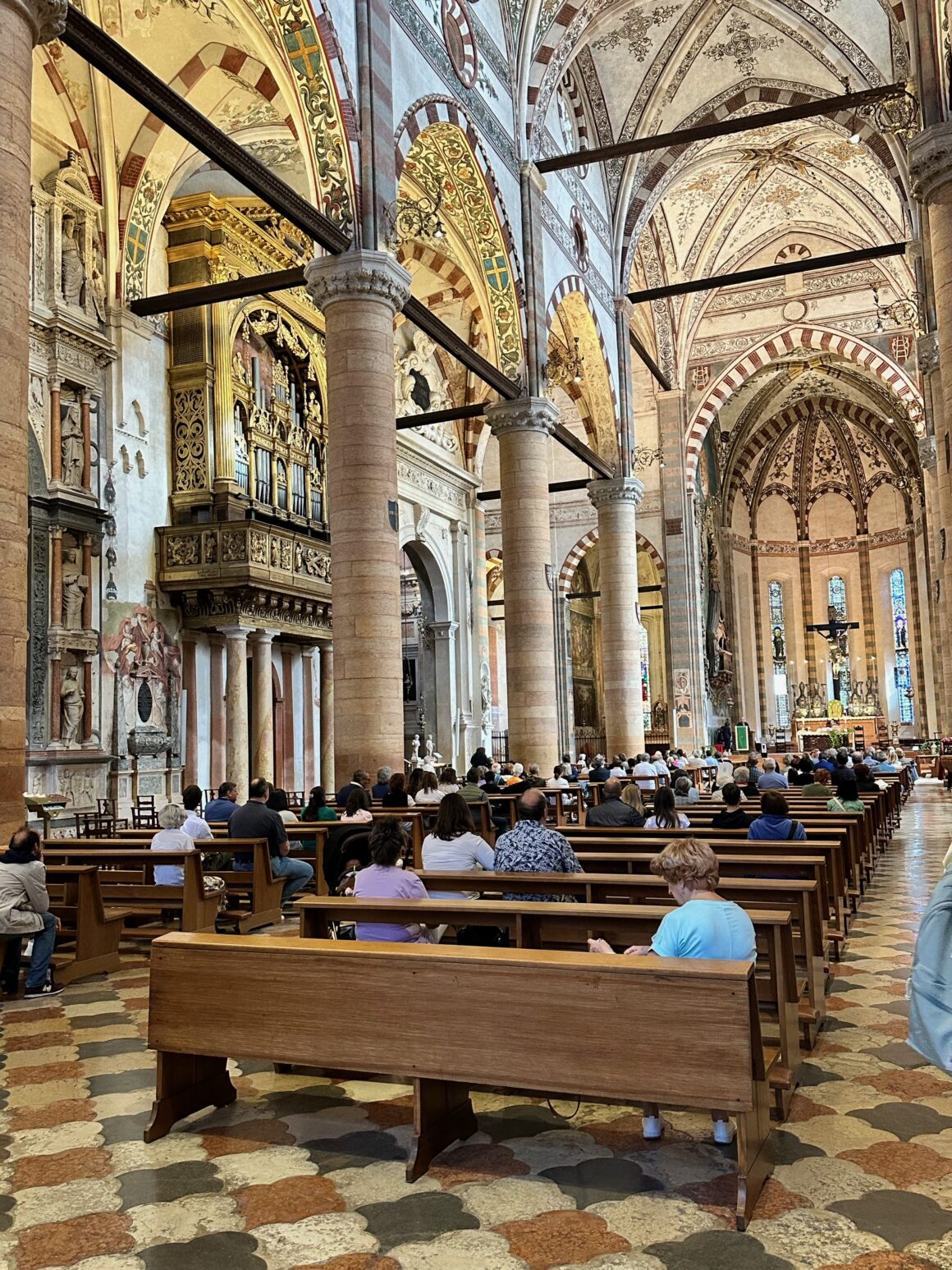
We also visited the Church of San Pietro da Verona, located within the grand Basilica di Santa Anastasia in Verona, is a striking example of Gothic architecture and devotion. It houses the tomb of Saint Peter of Verona, a Dominican friar and martyr, beneath a richly decorated altar. The basilica itself is one of Verona’s most important religious sites, known for its impressive frescoes, soaring columns, and serene atmosphere.
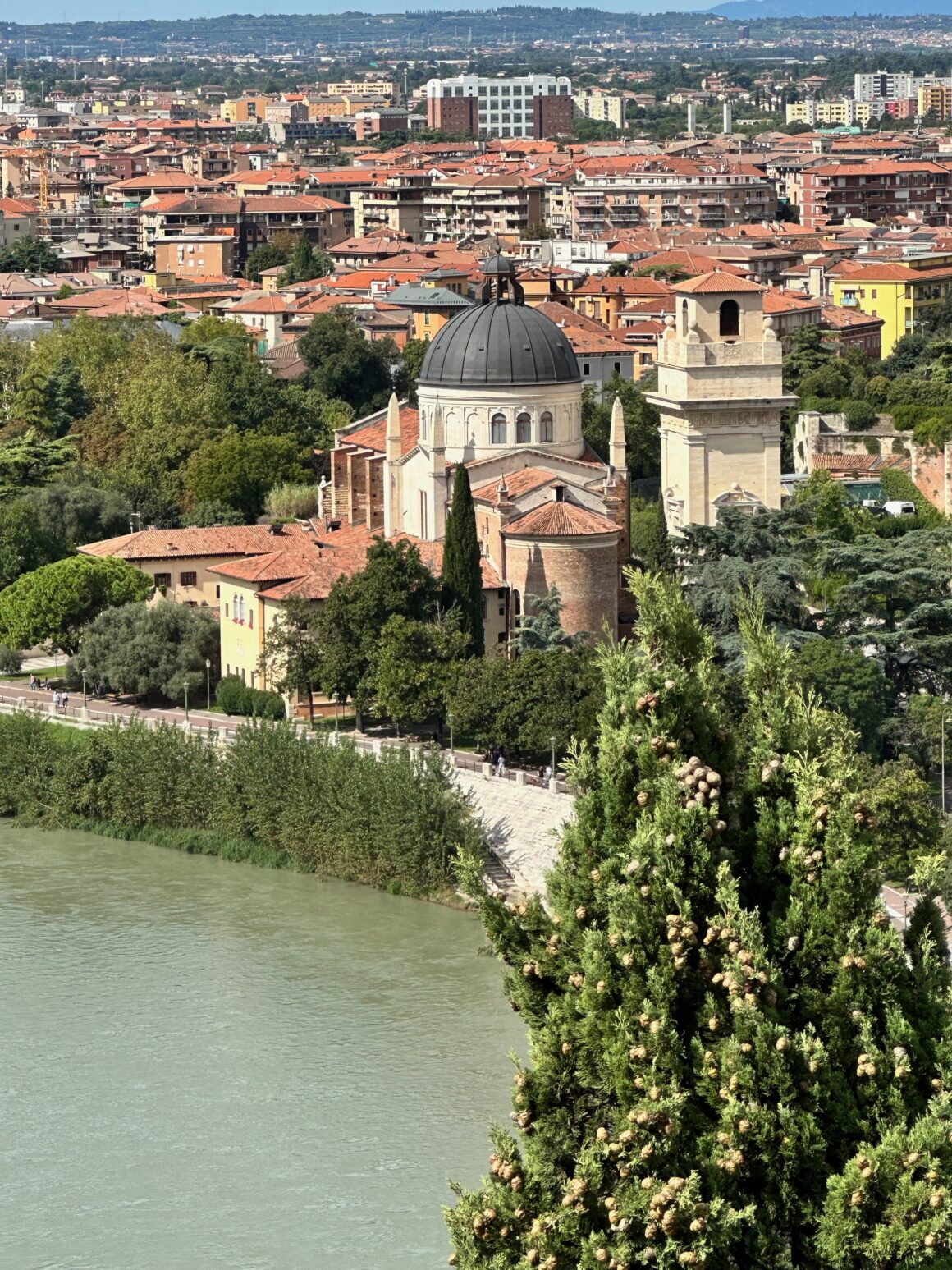
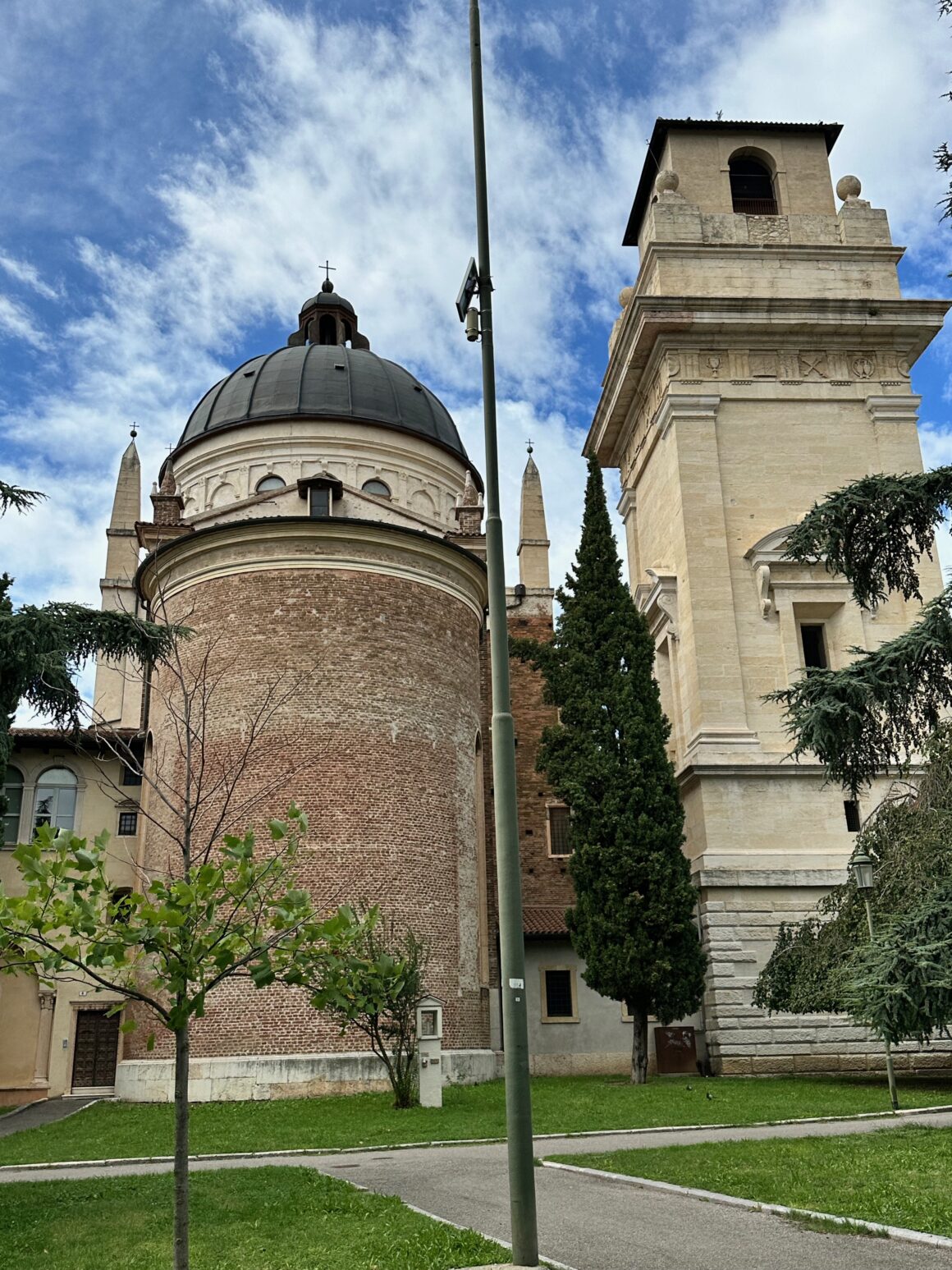
We then visited the San Giorgio in Braida is a beautiful Roman Catholic church in Verona, located near the Adige River with a distinctive dome and bell tower that punctuate the city skyline. Known for its Renaissance architecture and artworks, it houses a stunning Tintoretto painting above the main altar, making it a hidden gem for art and history lovers.
Afterward, we wandered into Basilica di San Zeno Maggiore, one of Italy’s most stunning Romanesque churches. Quiet and awe-inspiring, its striped stone walls and serene cloisters were a peaceful contrast to the bustling piazzas. For lunch, we stopped at a small café near Piazza dei Signori, often called “Verona’s living room,” to share a pizza and enjoy some people-watching under the statue of Dante.
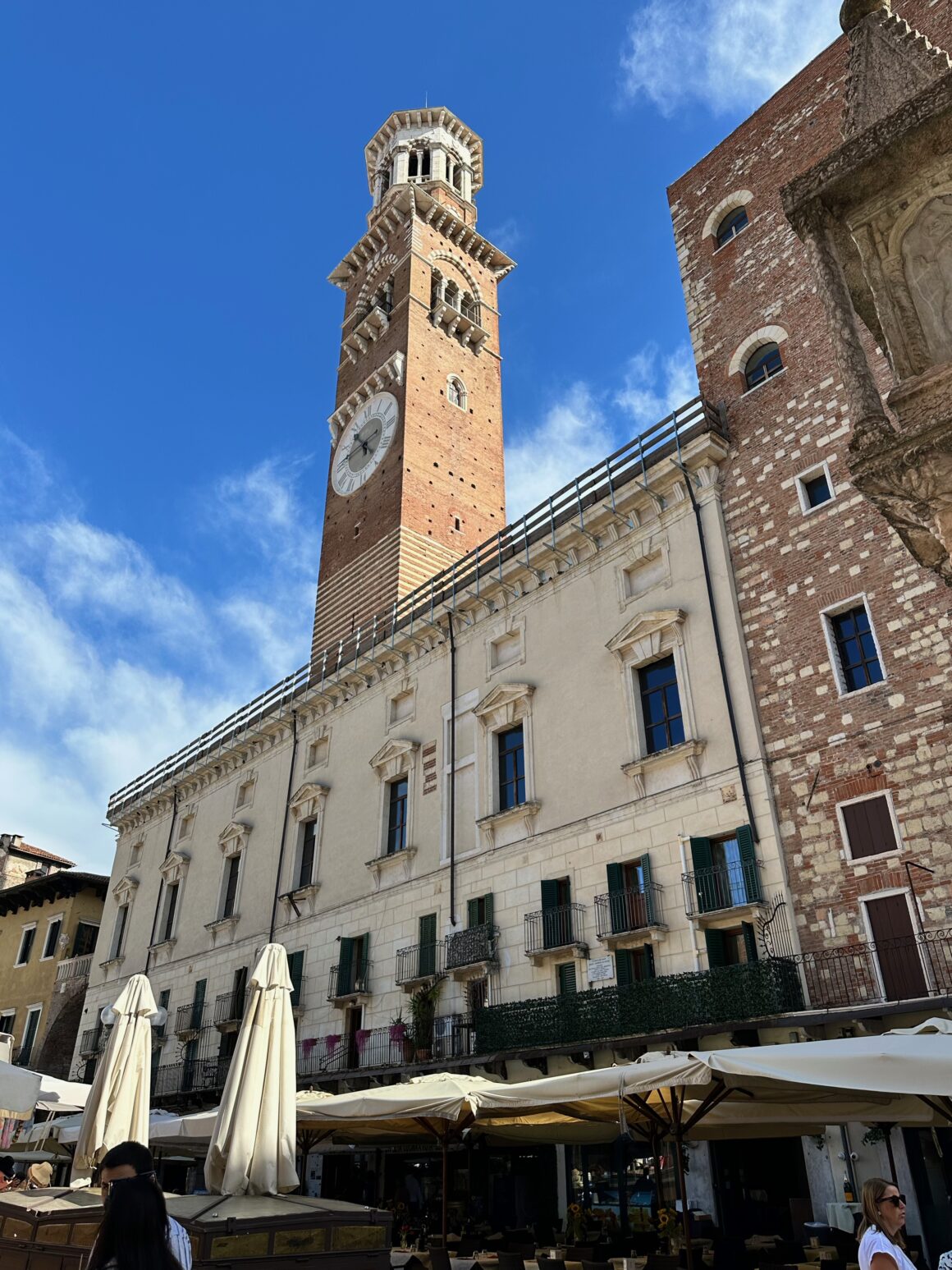
In the afternoon, we visited the Torre dei Lamberti for a panoramic view of Verona’s rooftops and winding streets. Though the 368 steps were a bit of a workout, the view is worth it. We ended the day with a leisurely walk along the riverbank, then found ourselves in a lively square where locals were enjoying aperitivo hour. The nightlife in Verona is relaxed—more about wine bars and elegant dining than clubs. We sipped cocktails under twinkling lights and shared tiramisu as a violinist played nearby.
The Heart of Northern Italy
Verona sits gracefully in northern Italy, about 1 hour from Venice or Milan by train, making it an easy and rewarding stop. It’s generally more affordable than Italy’s major cities, with a wide range of lodging, dining, and cultural experiences that feel upscale without being overpriced. The crowds tend to be lighter, especially outside peak summer months, and avoiding them is as easy as visiting key sights early or wandering a few streets off the main path.
With its rich Roman heritage, storybook romance, and peaceful rhythm, Verona is both relaxing and enriching. It moves at a stroll—not a rush—and in just two days, we felt like we’d discovered one of Italy’s most graceful and underappreciated gems.