
Discovering the Khmer Heart: Three Days in Siem Reap

For those of us who have spent a lot of time travelling, the allure of Southeast Asia remains undiminished. On our latest journey, we swapped the historic charm of Europe, for the humid, vibrant energy of Siem Reap, Cambodia. Traveling during the summer months offers a unique perspective, lush green landscapes and fewer crowds, perfect for the traveler who values privacy and a slower, more intentional pace.
Siem Reap is the gateway to the Angkor Archaeological Park, a sprawling testament to the Khmer Empire. While many rush through the “Small Circuit,” we recommend at least a three-day approach to truly absorb the majesty of these monuments without the exhaustion of “temple burnout.”
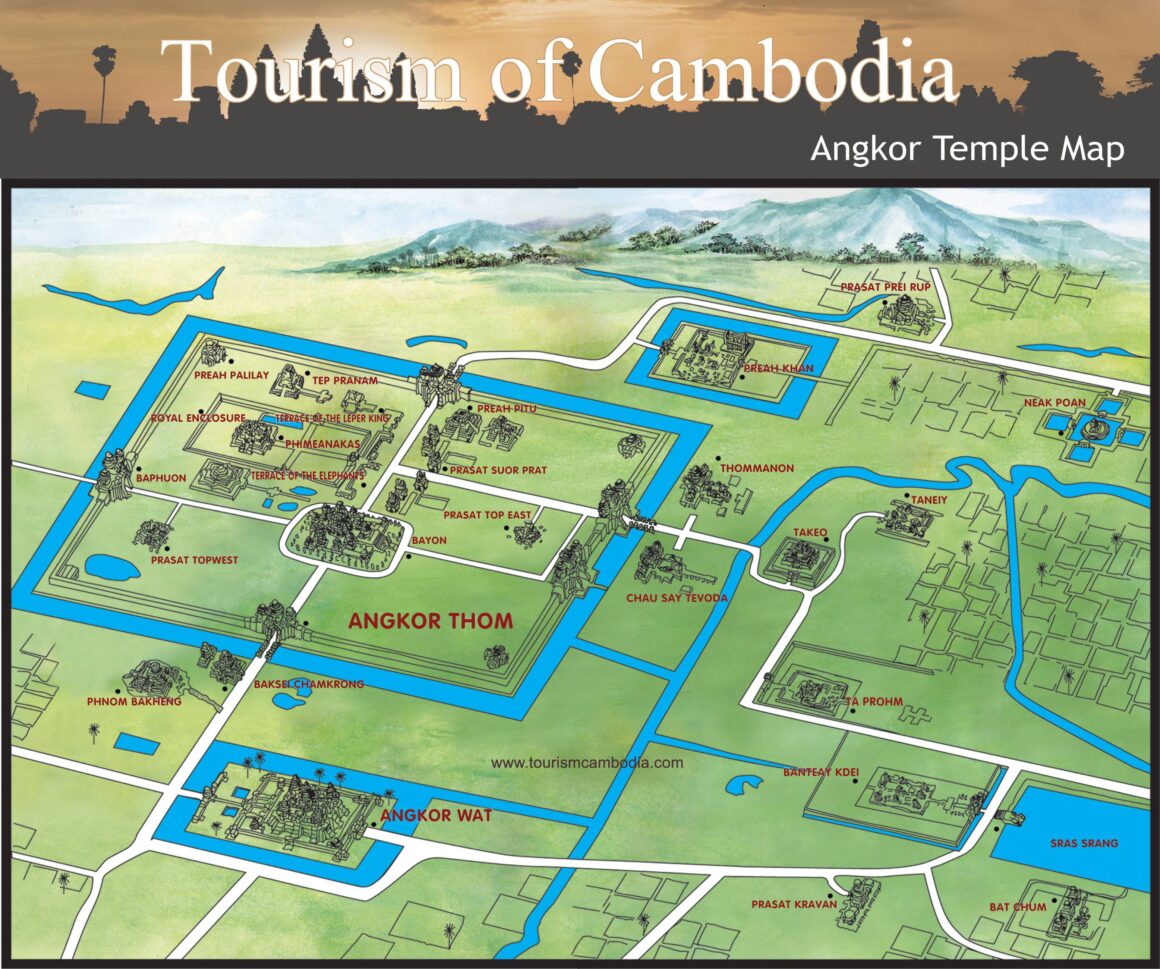
The Pillars of Angkor: Our Curated Highlights
Angkor Wat: The Crown Jewel
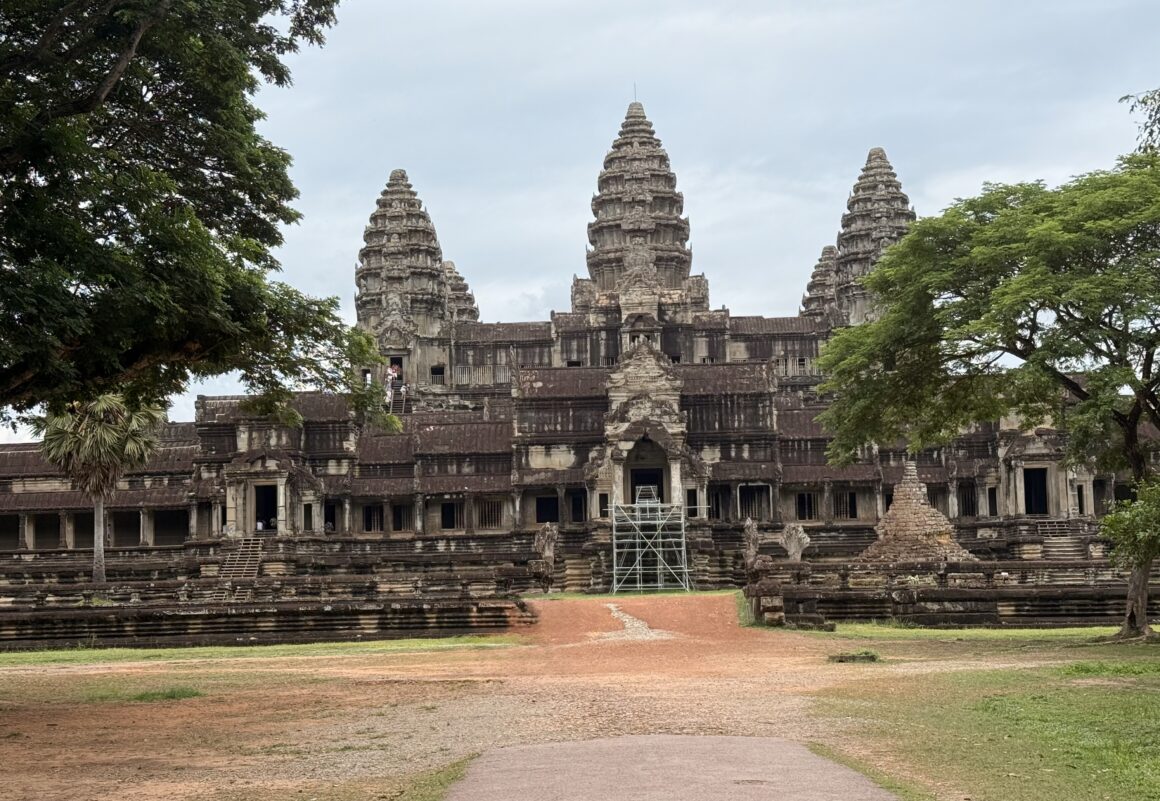
Angkor Wat stands as the pinnacle of Khmer architectural achievement. Originally built in the early 12th century as a Hindu dedication to Vishnu by King Suryavarman II, it eventually transitioned into a Buddhist site. Spanning over 160 hectares, it is the largest religious monument in existence. We suggest visiting in the late afternoon to admire the intricate bas-reliefs and the iconic “lotus-bud” towers as the light softens. Its symmetry and grandeur are truly unparalleled, earning its place as a UNESCO World Heritage site.
Angkor Thom: The Great Fortified City
In contrast to the singular focus of Angkor Wat, Angkor Thom is a sprawling, 9-square-kilometer walled city. Known as the “Great City,” it is accessed through five monumental gates guarded by stone giants. At its heart lies the Bayon, but the city also houses the Baphuon and the Royal Terraces. It represents the height of the empire’s urban planning and power.
Bayon Temple: The Faces of Serenity
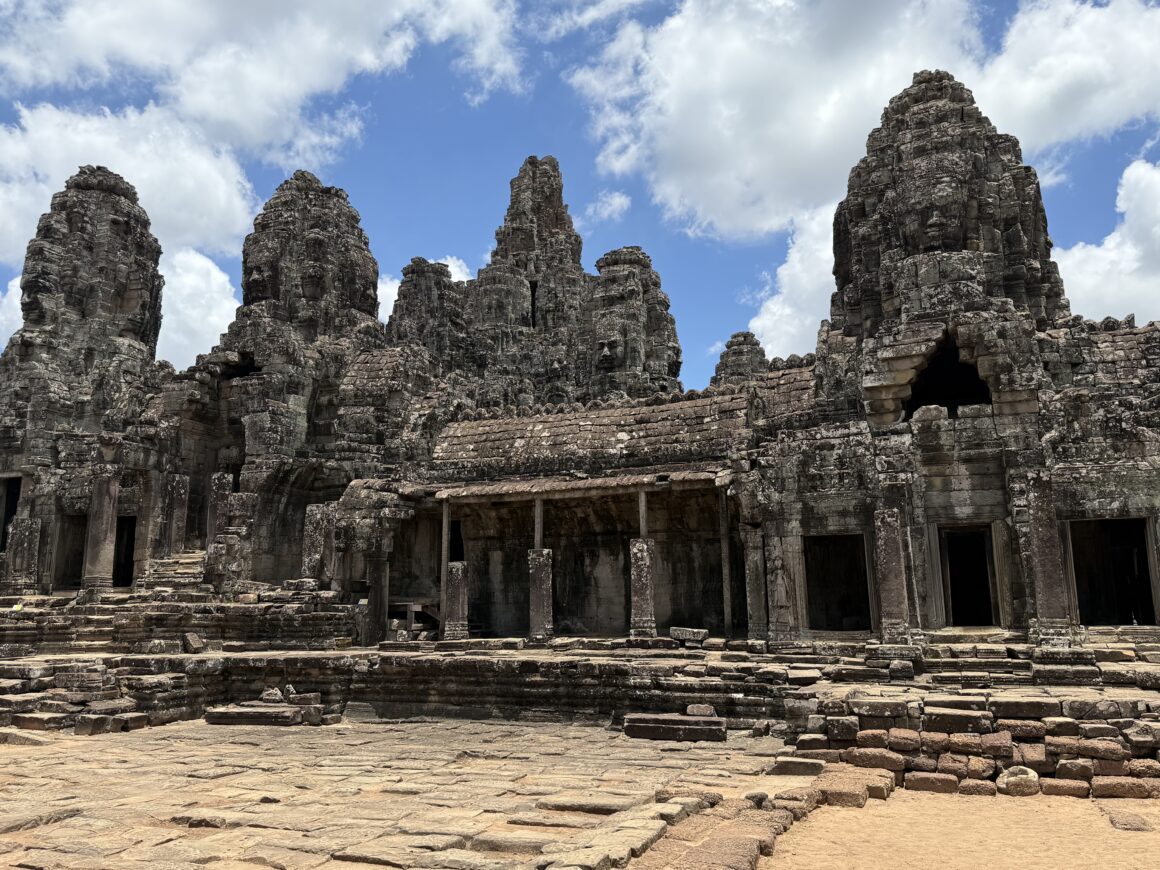
Located at the exact center of Angkor Thom, Bayon is famous for its 54 towers (37 of which remain) adorned with over 200 massive, smiling stone faces. Often called the “Mona Lisa of Southeast Asia,” these serene visages look out toward the cardinal directions, offering a sense of profound calm and incredible photographic depth.
Ta Prohm: The Jungle’s Embrace
Affectionately known as the “Tomb Raider Temple,” Ta Prohm remains one of the most evocative sites in the park. Unlike other temples that underwent extensive restoration, Ta Prohm was left to the elements. Massive silk-cotton and strangler fig trees grow directly out of the ruins, their roots snaking through stone corridors. It is a rugged, picturesque reminder of nature’s reclaiming power.

Ta Keo: The Unfinished Mountain
Situated between Angkor Thom and the East Baray, Ta Keo is a 10th-century “temple mountain” and the first to be built entirely of sandstone. Curiously left unfinished, it lacks the ornate carvings of its neighbors, revealing a raw, architectural purity. The ascent is steep, but the unobstructed views from the summit are a rewarding prize for the adventurous.
Banteay Srei: The Citadel of Women
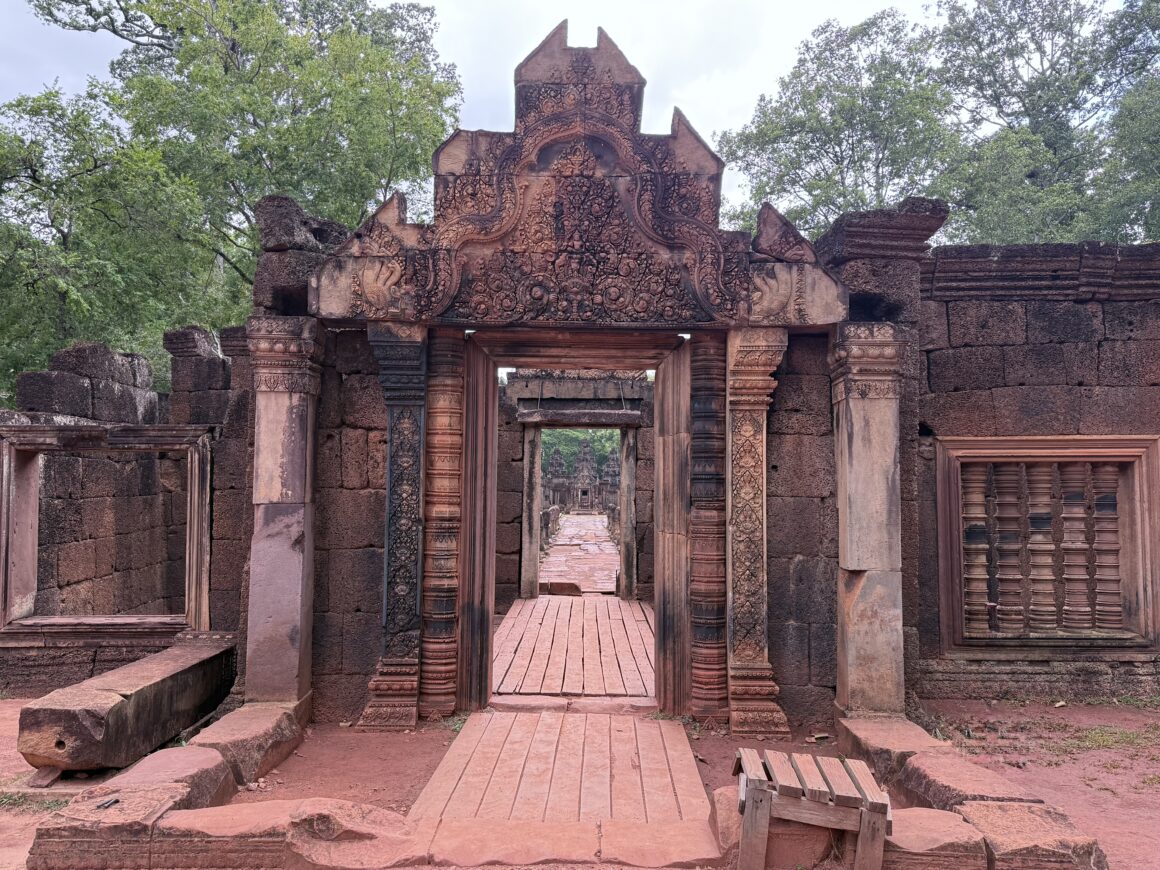
Located roughly 25-30 km northeast of the main complex, Banteay Srei is worth the short drive. Built from rare rose-pink sandstone, it features the most intricate and delicate carvings in the entire region. Its smaller scale and intimate jungle setting offer a refined contrast to the heavy masonry of Angkor Wat.
The Royal Terraces: Elephants and the Leper King
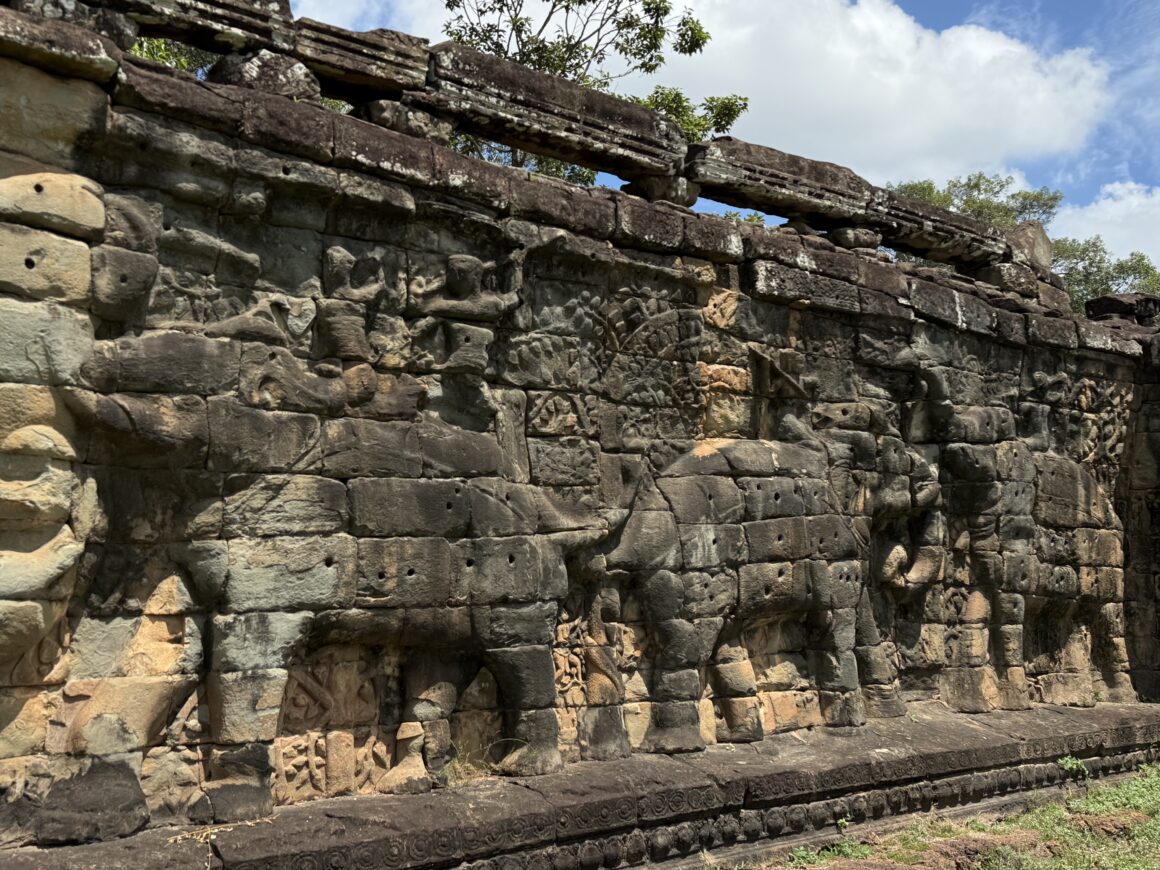
- Terrace of the Elephants: This 300-meter platform, adorned with life-sized elephant carvings, once served as a viewing stand for royal ceremonies and processions.
- Terrace of the Leper King: Named for a 15th-century statue found on-site, this terrace features multi-layered, deeply recessed carvings of underworld deities and serpents.
Baphuon Temple: The Pyramid of Spirits
A massive pyramid-style structure within Angkor Thom, Baphuon offers some of the best elevated views of the surrounding jungle. It is typically less crowded than the Bayon, allowing for a more peaceful, meditative exploration of its steep galleries.
Travel Logistics & Expert Tips
Getting Around
Navigating Siem Reap is remarkably straightforward:
- Airport Arrival: From the Siem Reap Angkor Intl. Airport (SAI), a standard taxi to the hotel costs $25 – $40 USD (60-75 mins).
- Private Driver: For maximum comfort and local insight, we hired a private driver for approximately $50 USD.
- Ride-Hailing: Grab is the primary app here; note that Uber does not operate in Cambodia.
The Angkor Pass
You must purchase an Angkor Pass to enter the archaeological park. These cannot be bought at temple gates. Visit the official Ticket Office (open 5:00 AM – 5:00 PM). A 3-day pass ($62 USD) is ideal for this itinerary.
Dress Code & Etiquette
Respect the sanctity of these sites. Both men and women must cover shoulders and knees. Security is strict; sleeveless tops or short skirts will result in denied entry.
Final Thoughts: Siem Reap or Phnom Penh?
If your heart is set on the ancient world and the “chic” side of Cambodia, Siem Reap is the clear choice. Phnom Penh offers a deeper look into the country’s modern, often tragic history. For a three-day focused adventure, Siem Reap provides the perfect balance of luxury and discovery.
Choosing When to Travel: The Seasonality of Siem Reap
Understanding the local climate is the first step in planning a sophisticated Cambodian adventure. Each season offers a distinct trade-off between comfort and atmosphere.
- The Dry and Cool Season (November – February): This is widely considered the prime window for travel. The humidity is manageable, and the clear blue skies provide the most stunning backdrops for photography, particularly at sunrise. However, this is also the height of the tourist influx. Expect significant crowds at popular places to visit to experience Angkor Wat and premium pricing at the top resorts.
- The Hot Season (March – May): We visited during this period and found it to be a double-edged sword. On the plus side, there are far fewer tourists, allowing for a much more private experience among the ruins. However, the heat is intense and the humidity can be taxing. If you choose this window, we recommend starting your explorations at dawn and retreating to your resort’s pool by midday.
- The Rainy and Wet Season (June – October): For the photographer or the lover of landscapes, this season is magical. The “Moat of Angkor” fills with water, and the jungle turns a vibrant, electric green. While you will encounter afternoon downpours and muddy paths, the sense of solitude among the temples is unparalleled.
Where to Stay: Affluent Accommodations
To balance the rugged nature of temple trekking, your choice of accommodation is paramount. We stayed at the 5-star Sofitel Angkor Phokeethra Golf & Spa Resort. We found this property to be exceptionally well-situated, close enough to the temples to minimize transit time, yet offering a secluded, colonial-style sanctuary. The sprawling pool and lush gardens are the perfect antidote to a dusty morning at the ruins.
- Price Range: $300 – $550 USD per night.
- Dining: Expect to spend $45 – $100 USD for a dinner for two.
For other options at a higher-end base, we also recommend:
- Amansara: The former guest residence of King Sihanouk, offering an ultra-exclusive, minimalist retreat.
- Park Hyatt Siem Reap: A contemporary masterpiece located in the heart of downtown, ideal for those who want easy access to the local culinary scene.
- Anantara Angkor Resort: An all-suite boutique experience that excels in personalized Khmer hospitality.