
Exploring Lucca: A Walk-Through History and Charm
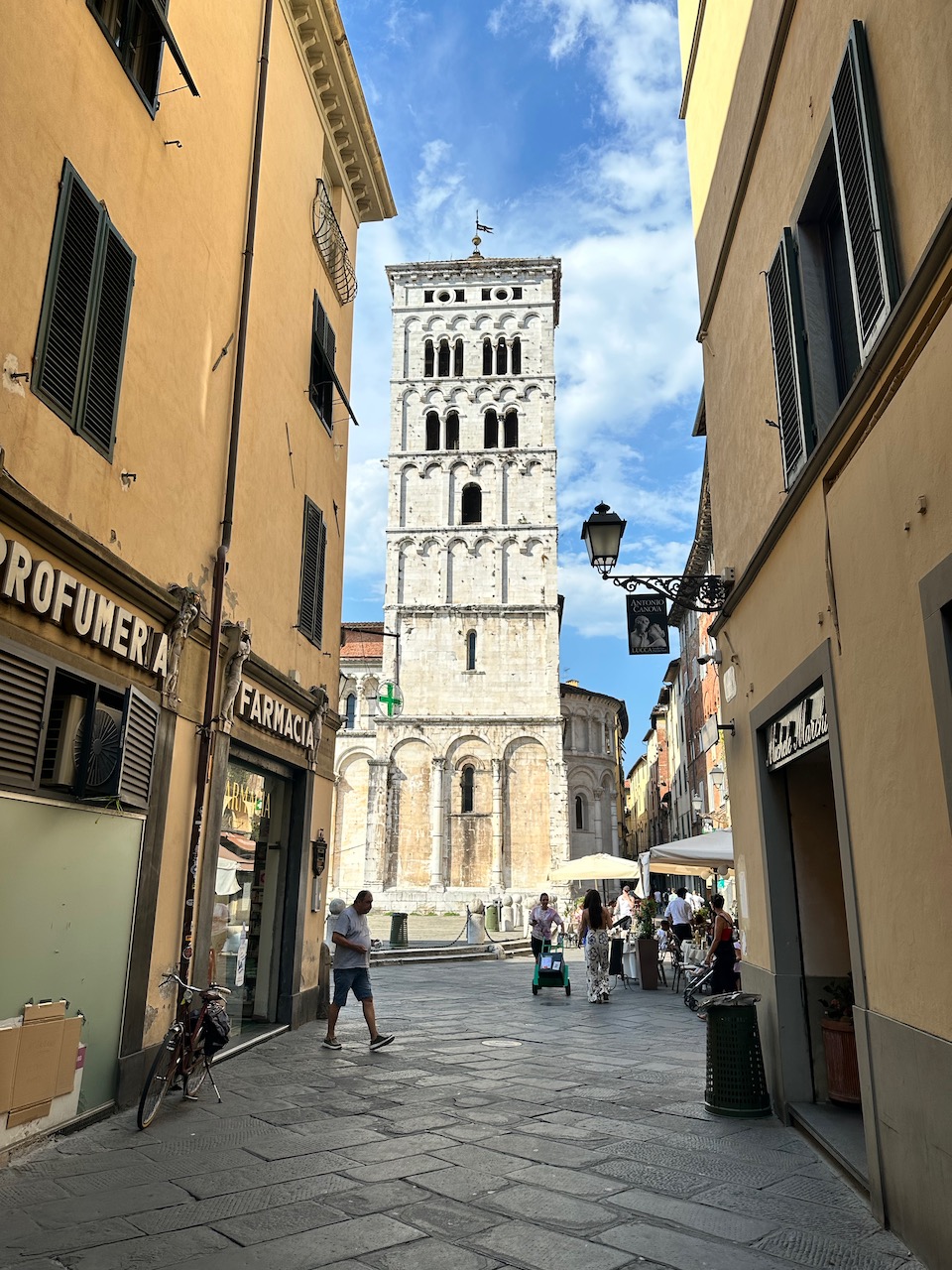
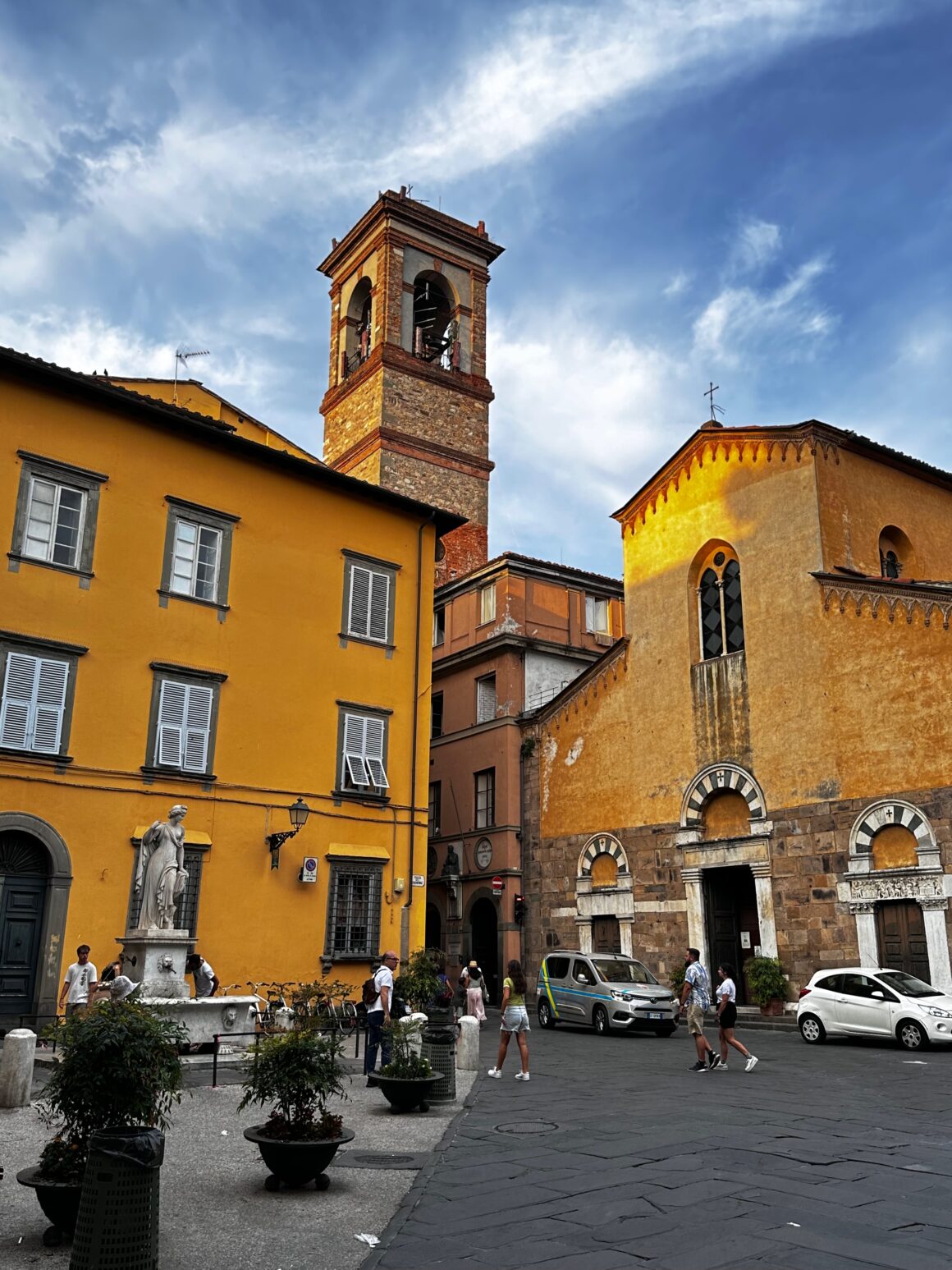
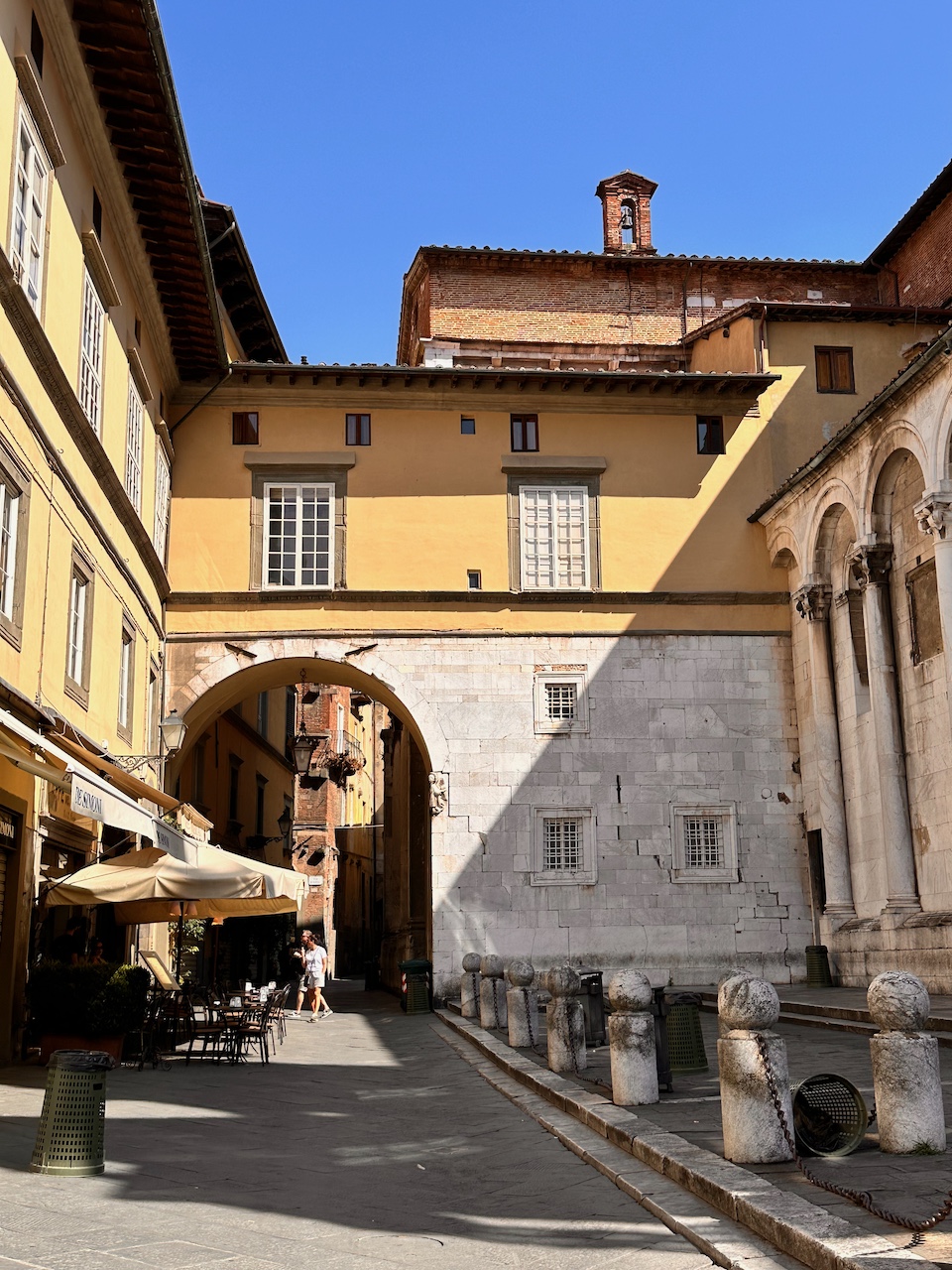
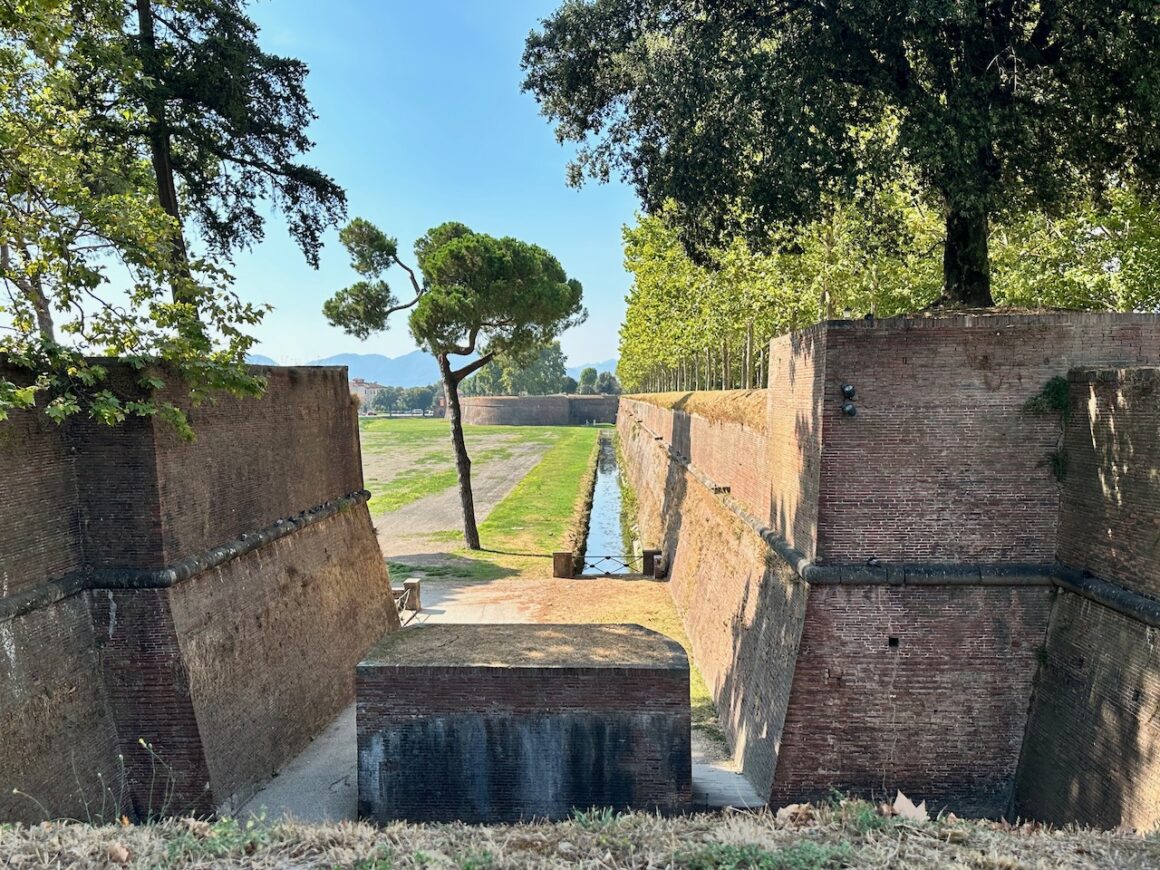
Arriving in Lucca, we immediately felt the city’s timeless charm, surrounded by its perfectly preserved Renaissance walls. Unlike most Italian cities, these massive fortifications weren’t torn down but instead transformed into a tree-lined promenade circling the historic center. Walking along the walls of Lucca, we enjoyed stunning views of medieval towers, red-tiled rooftops, and the rolling Tuscan countryside beyond.
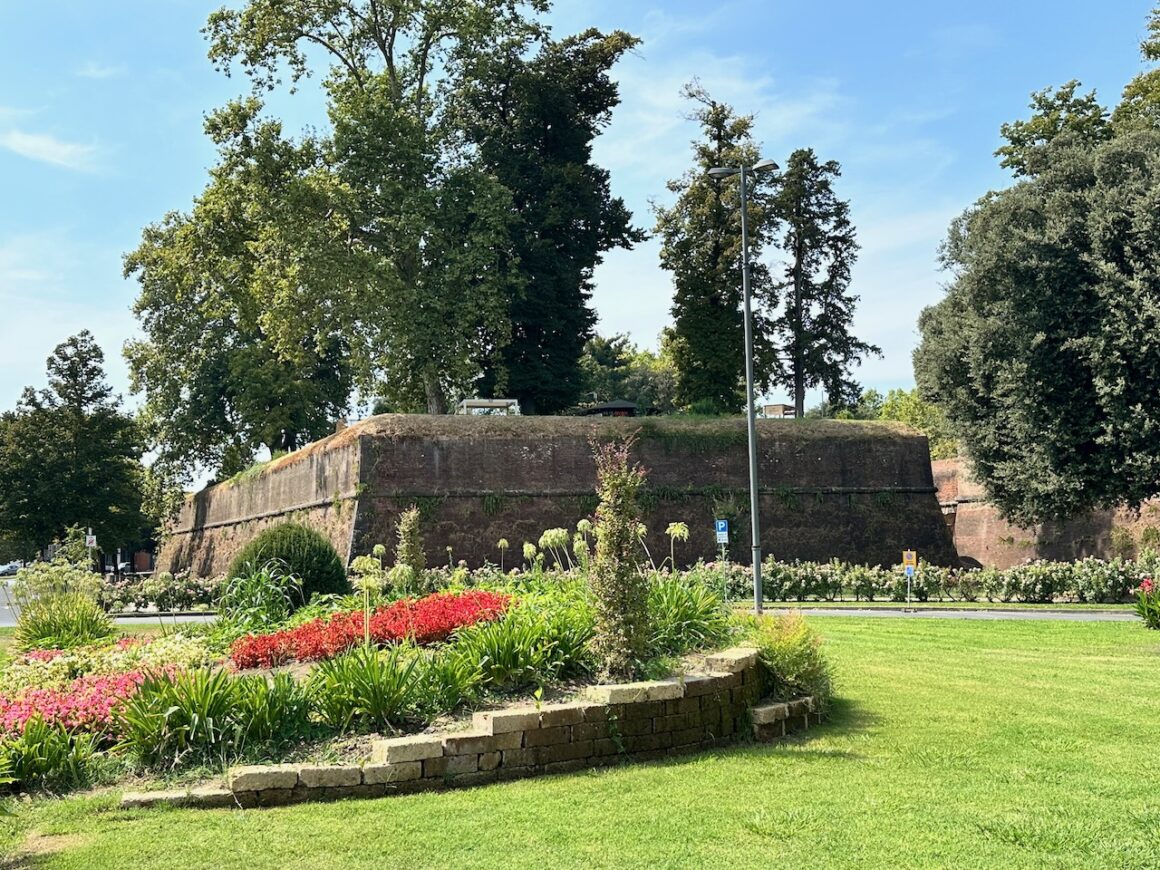
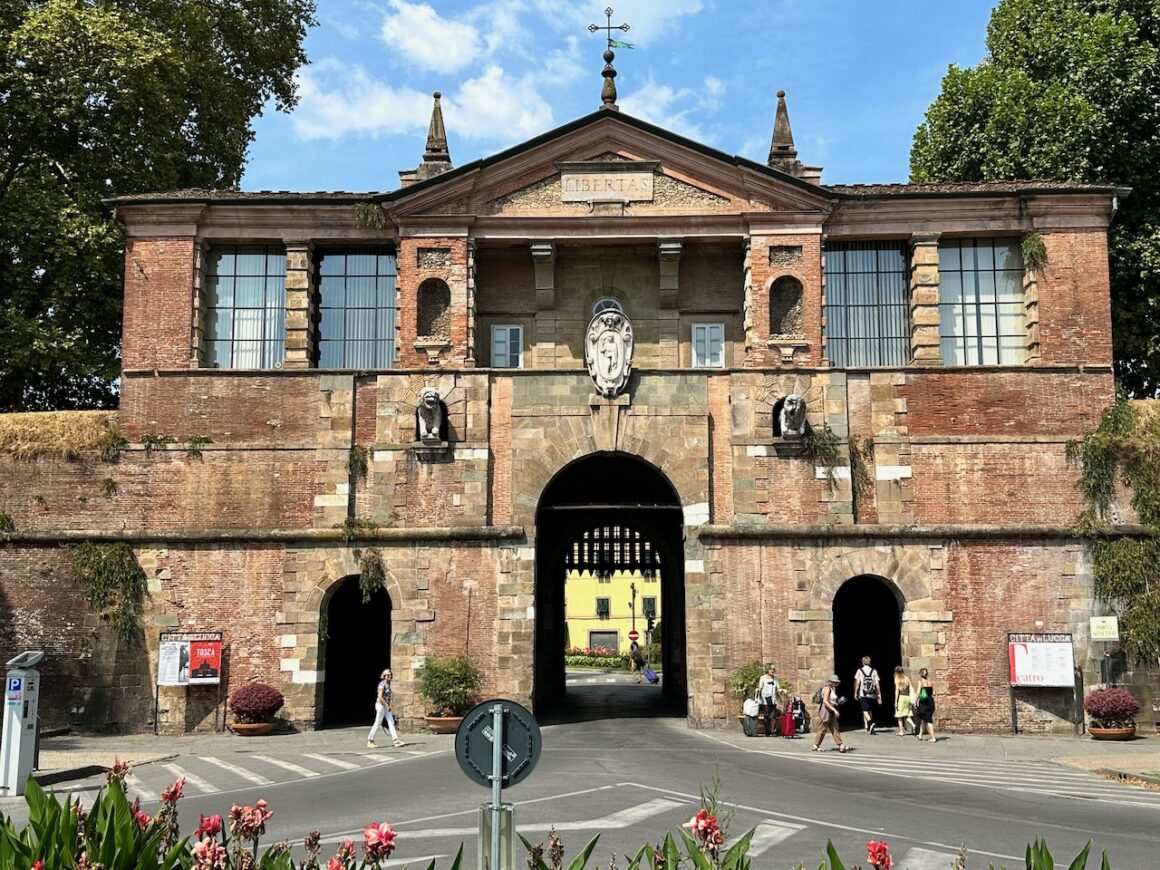
Approaching the Porta San Pietro, one of the main gateways into Lucca’s historic center, we felt as if we were stepping back in time. Located on the southern side of the Renaissance walls, this grand stone entrance, built in the 16th century, once served as a primary access point for travelers and traders. As we passed through its large arched passageways, we admired the well-preserved details, including the old wooden doors and the medallions above, which reminded us of Lucca’s rich history as an independent republic. Crossing into the city, we were immediately surrounded by charming medieval streets, ready to uncover the treasures hidden within Lucca’s ancient walls.
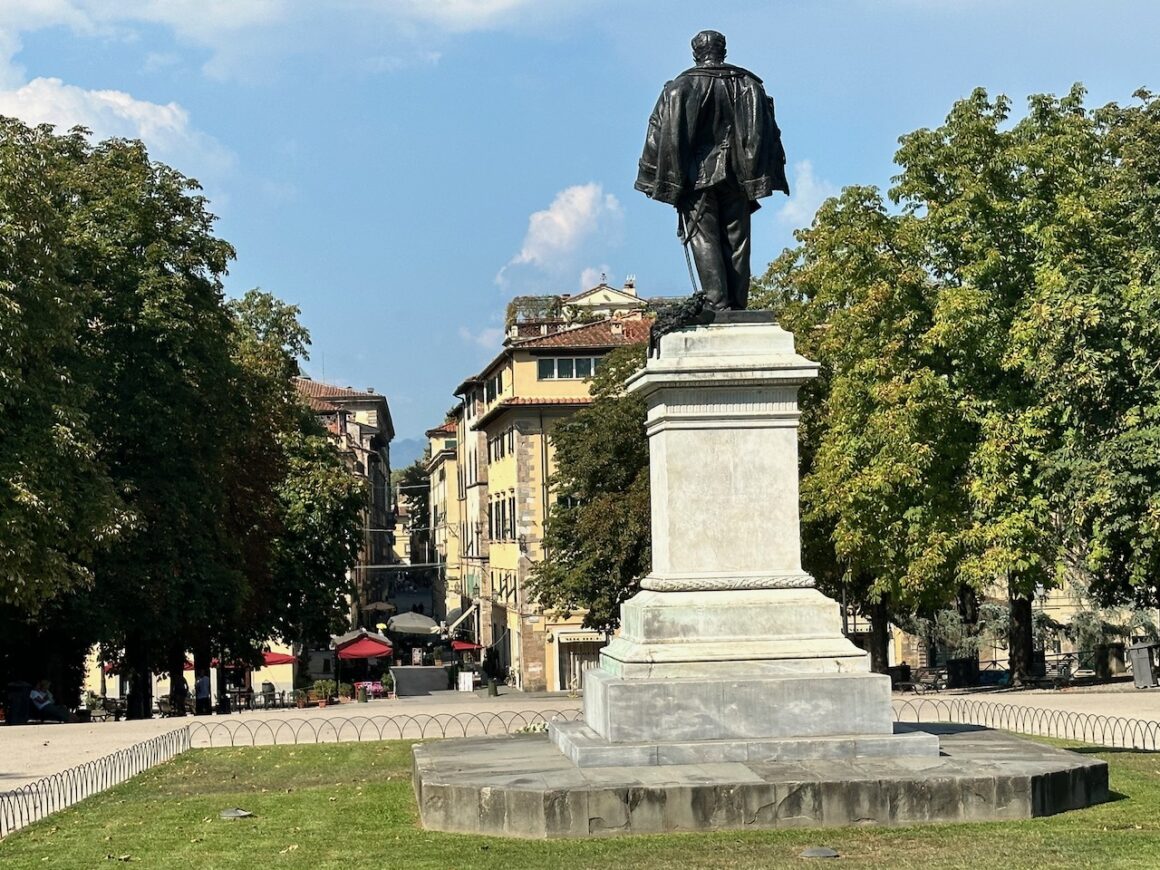
As we wandered through the narrow cobblestone streets, we discovered Lucca’s deep historical roots, dating back to Roman times. In the heart of the city, we found Piazza dell’Anfiteatro, a stunning oval-shaped square built on the remains of an ancient Roman amphitheater. The colorful buildings curving around the piazza made it one of the most unique and picturesque spots in Tuscany. Nearby, the Guinigi Tower stood tall with its distinctive rooftop garden of holm oaks. Climbing to the top was well worth the effort—standing among the treetops, we had breathtaking panoramic views of Lucca and beyond.
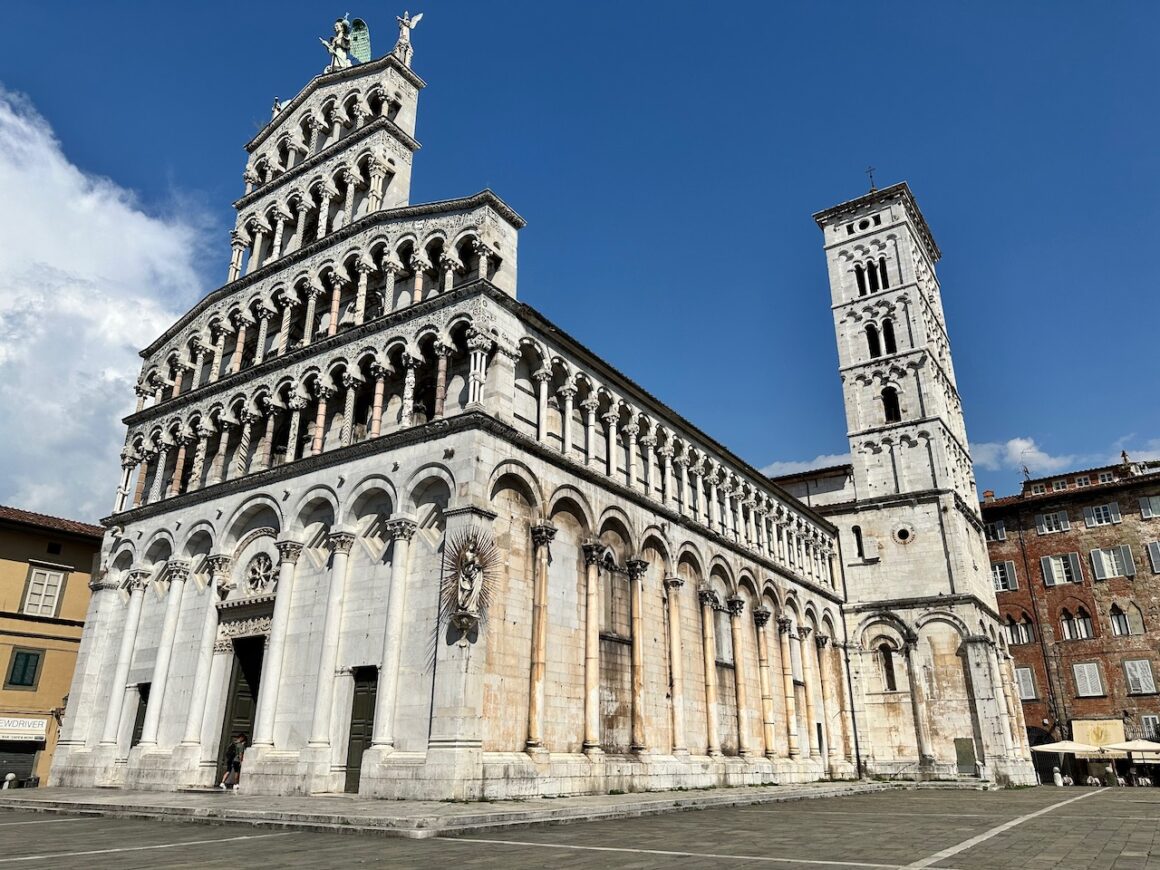
Lucca is also home to beautiful churches, and we were especially struck by the intricate façade of San Michele in Foro, standing proudly in the square where the ancient Roman forum once existed. The Duomo di San Martino, with its stunning marble exterior, housed Tintoretto’s Last Supper and the legendary Volto Santo, a revered wooden crucifix said to date back to early Christianity.
One of the best parts of Lucca was simply soaking in its relaxed atmosphere, far from the bustling crowds of larger Tuscan cities. We took our time enjoying a leisurely lunch of tordelli lucchesi, a delicious local stuffed pasta, and later sipped coffee at a quiet café, watching the world go by.
How much time do you need? A full day trip is enough to see Lucca’s highlights but spending a night or two allows for a more immersive experience, especially in the peaceful evenings. Whether walking the city walls, exploring historic sites, or indulging in its fantastic food, Lucca offered a perfect mix of history, beauty, and tranquility.