
Discover Southern Taiwan’s Coastal City
Located in southern Taiwan, Kaohsiung is a major port city with a character shaped by its maritime history, coastal setting and continuing urban development. Once known primarily for its shipping and industrial activity, the city has gradually developed a broader appeal, with former industrial areas now home to cultural attractions, art spaces, waterfront developments and independent shops. Its atmosphere is generally more relaxed than Taipei’s, offering visitors a different perspective on life in Taiwan.
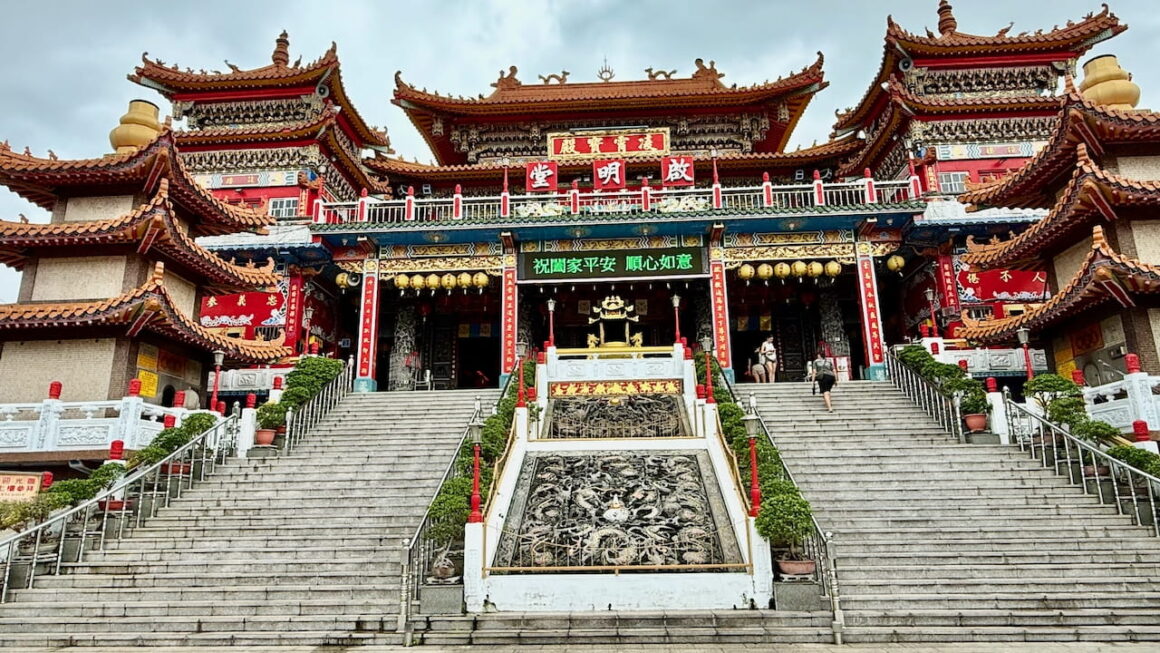
There is plenty to explore, whether spending time along the Love River, visiting the galleries and creative spaces at Pier-2 Art Center, or taking a short ferry journey to Cijin Island for its seafood restaurants, coastal scenery and distinctive dark-sand beaches. The city also has an interesting architectural landscape, from the familiar outline of the 85 Sky Tower to the contemporary design of the Kaohsiung Music Center, which has become a notable feature of the waterfront.
Beyond its modern developments, Kaohsiung retains strong connections to Taiwan’s traditional culture. Historic temples, local neighbourhoods and lively night markets provide opportunities to experience everyday life and sample regional food. Its combination of waterfront attractions, cultural sites, local markets and access to nearby coastal areas makes it a worthwhile destination for travellers looking to explore beyond northern Taiwan.
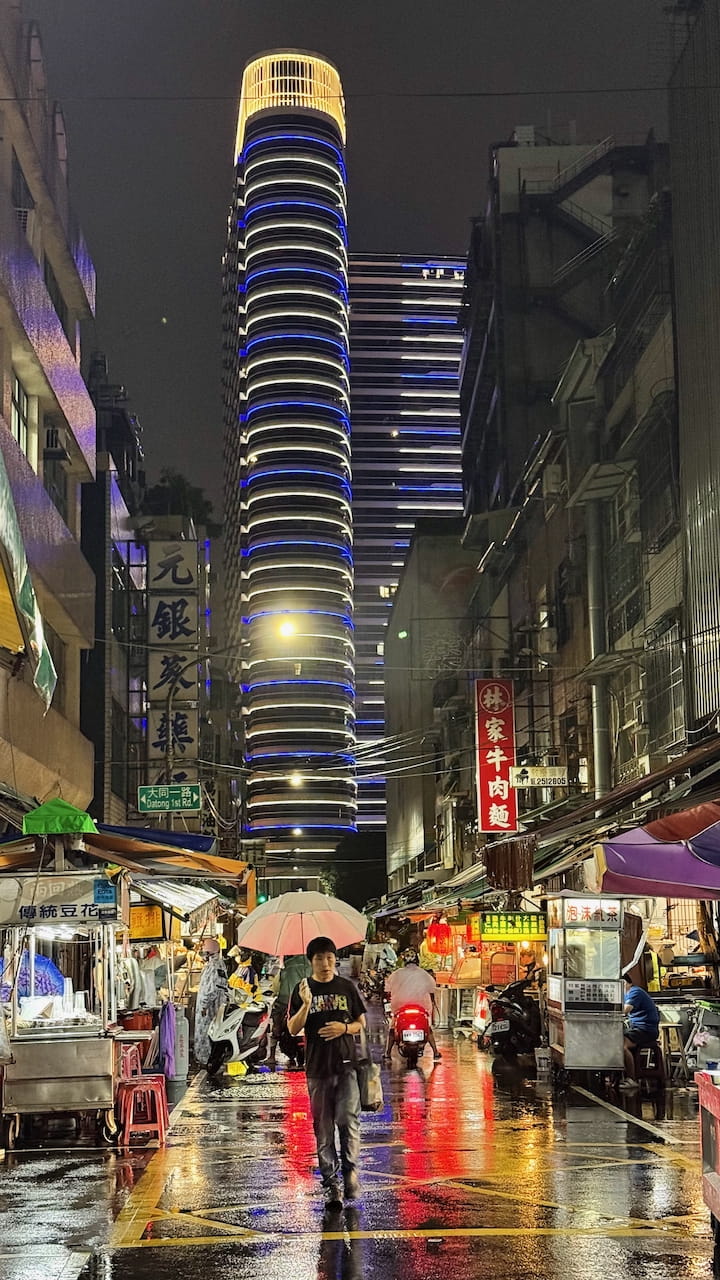
Through our experiences and observations, we aim to give readers a practical sense of what Kaohsiung has to offer and help them decide how it might fit into their own travels around Taiwan.
Lotus Pond: Exploring Kaohsiung’s Temples and Pagodas
Located in Kaohsiung’s Zuoying District, Lotus Pond (Lianchihtan) is one of the city’s best-known scenic attractions. This artificial lake is surrounded by temples, pagodas and traditional pavilions, creating an interesting combination of waterfront scenery and religious architecture. The area has long been an important place of worship and remains a popular destination for both local residents and visitors interested in Taiwan’s religious traditions and cultural heritage.
Among the most recognisable landmarks along the lake are the Dragon and Tiger Pagodas, also known as Longhu Tower. Completed in 1976, the two seven-storey pagodas are connected to the shore by a distinctive zigzag bridge.
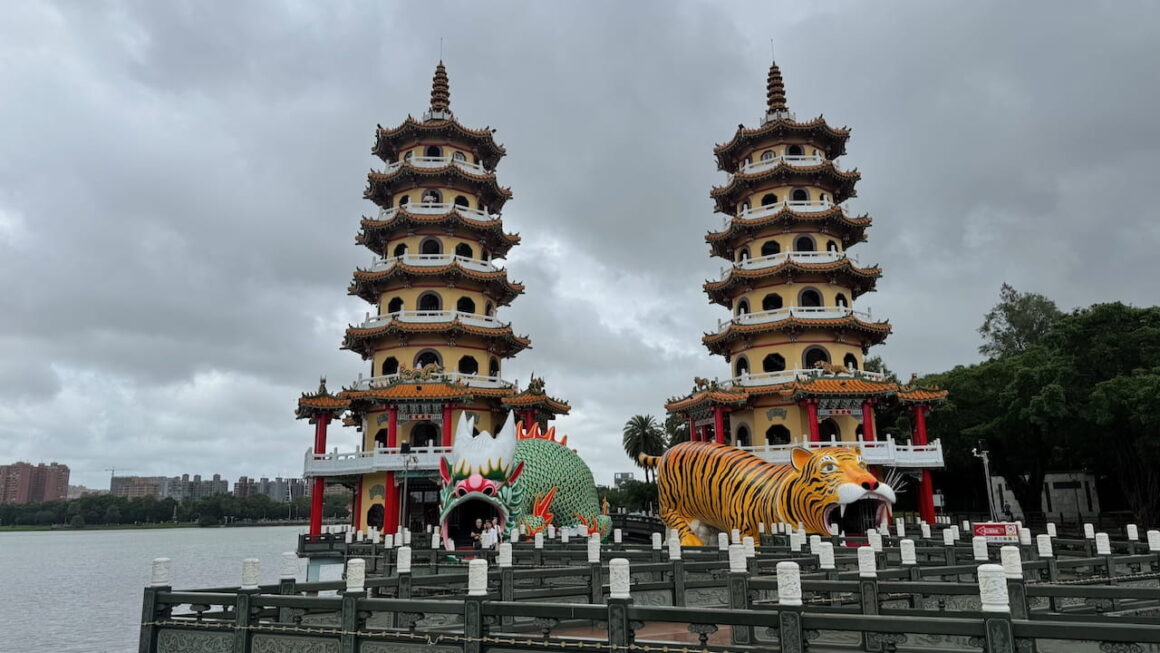
Their colourful entrances, shaped as a dragon and a tiger, are particularly eye-catching. According to local tradition, visitors should enter through the dragon’s mouth and leave through the tiger’s mouth, a symbolic journey believed to turn bad fortune into good. Inside, illustrated walls depict traditional stories and religious teachings, while the upper levels provide views across Lotus Pond and the surrounding area. The pagodas are one of the most photographed attractions at the lake.
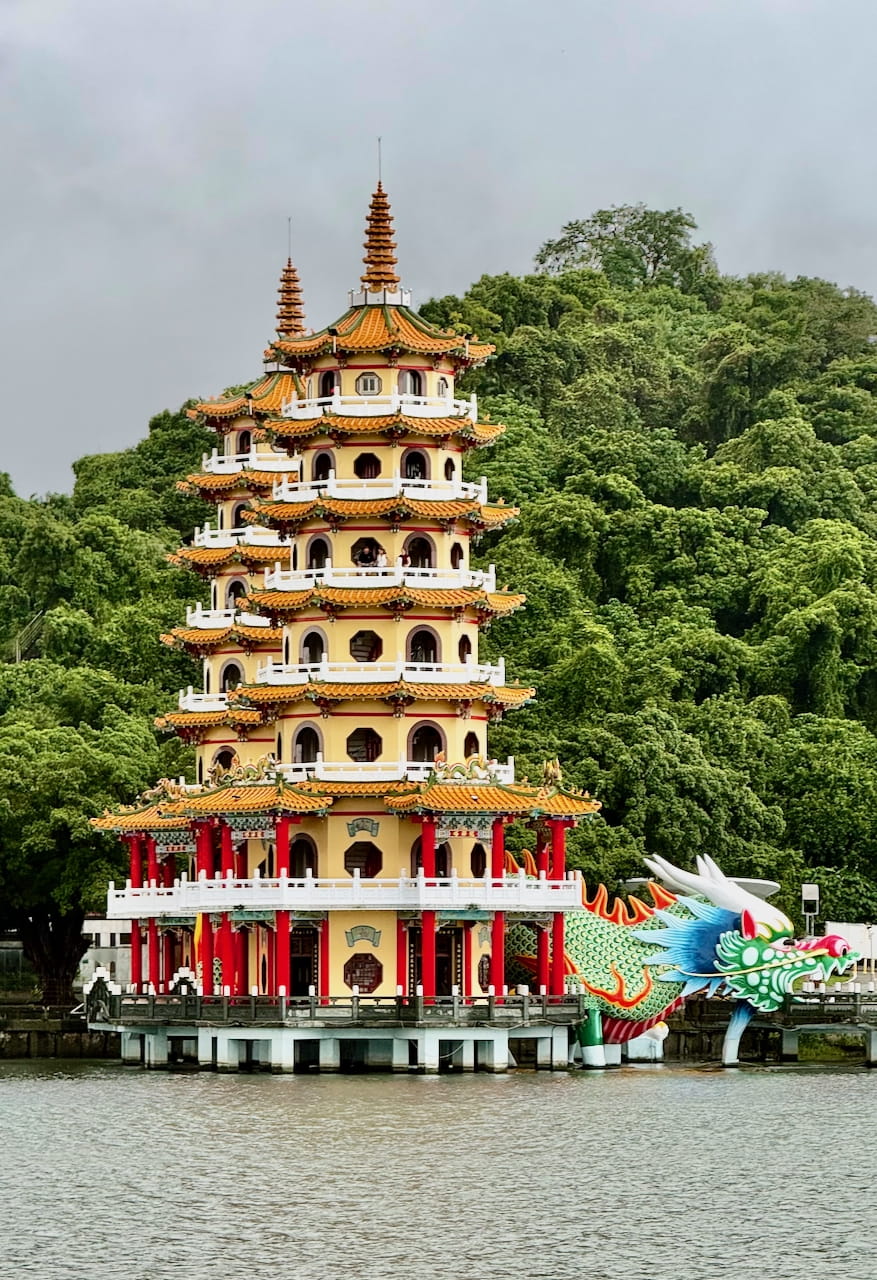
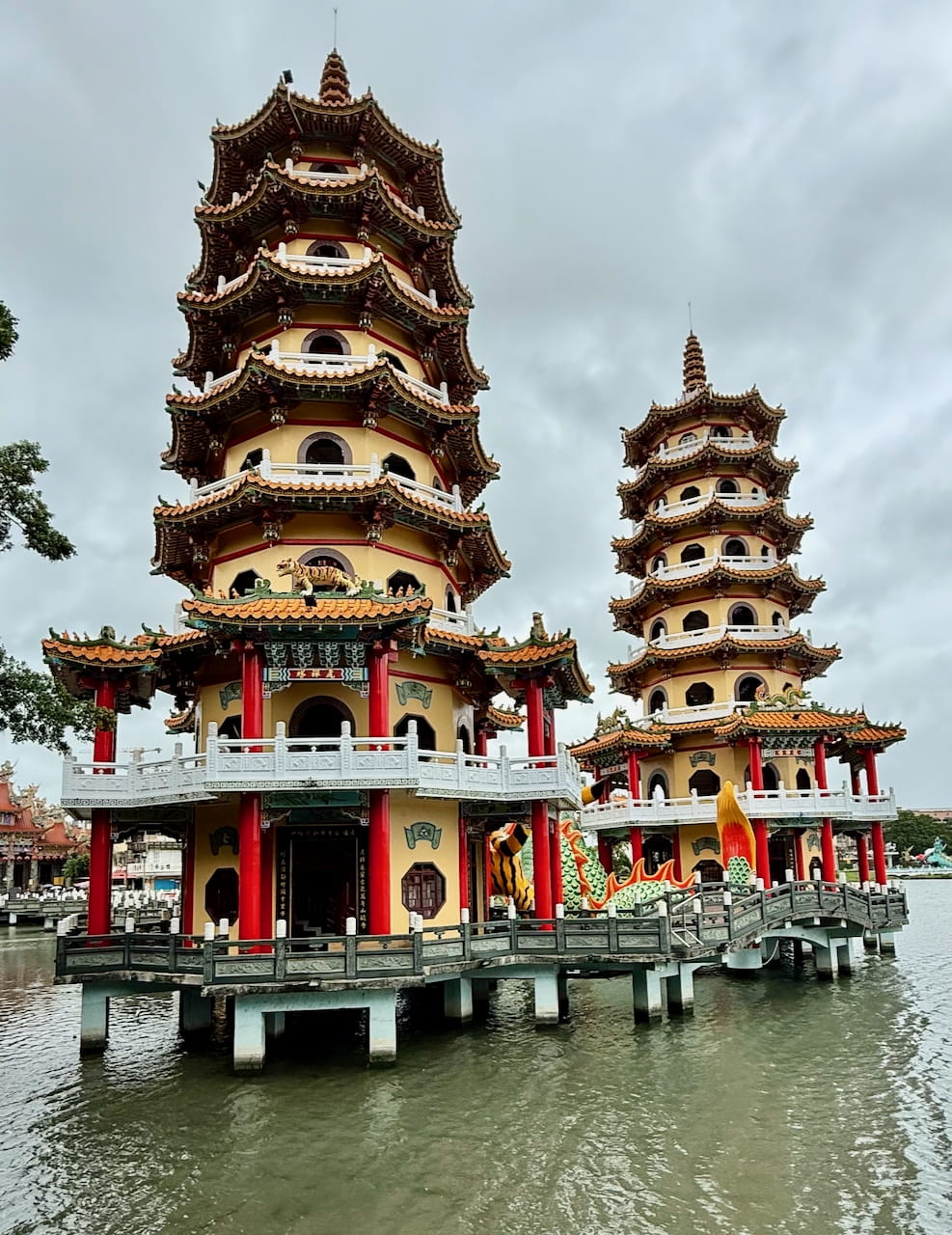
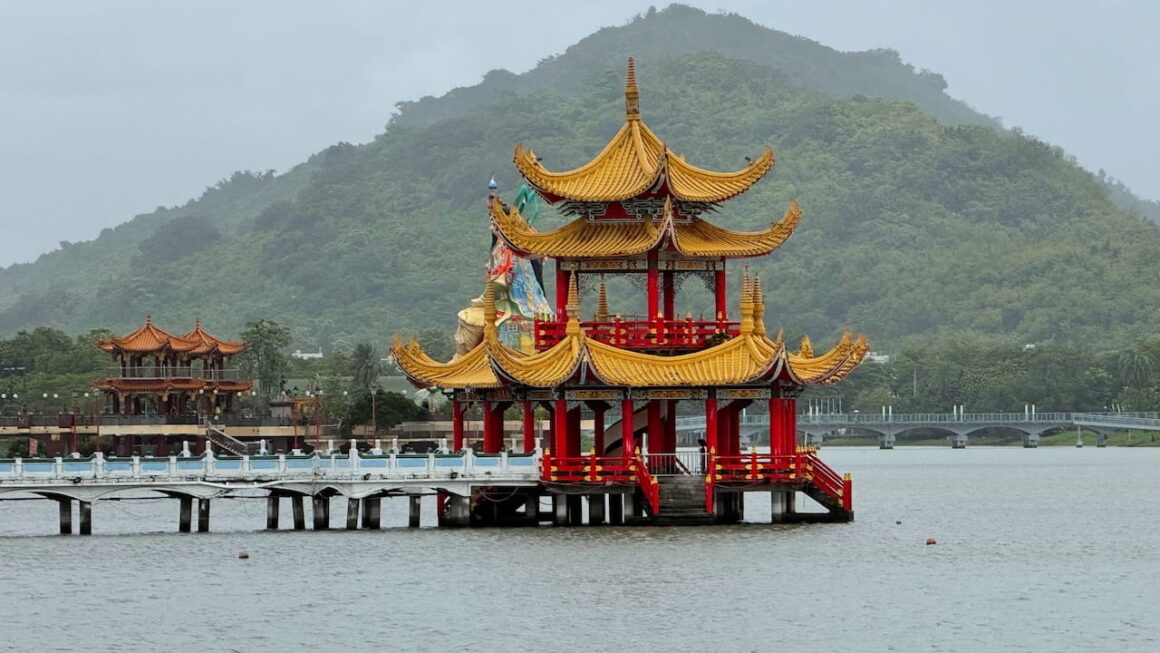
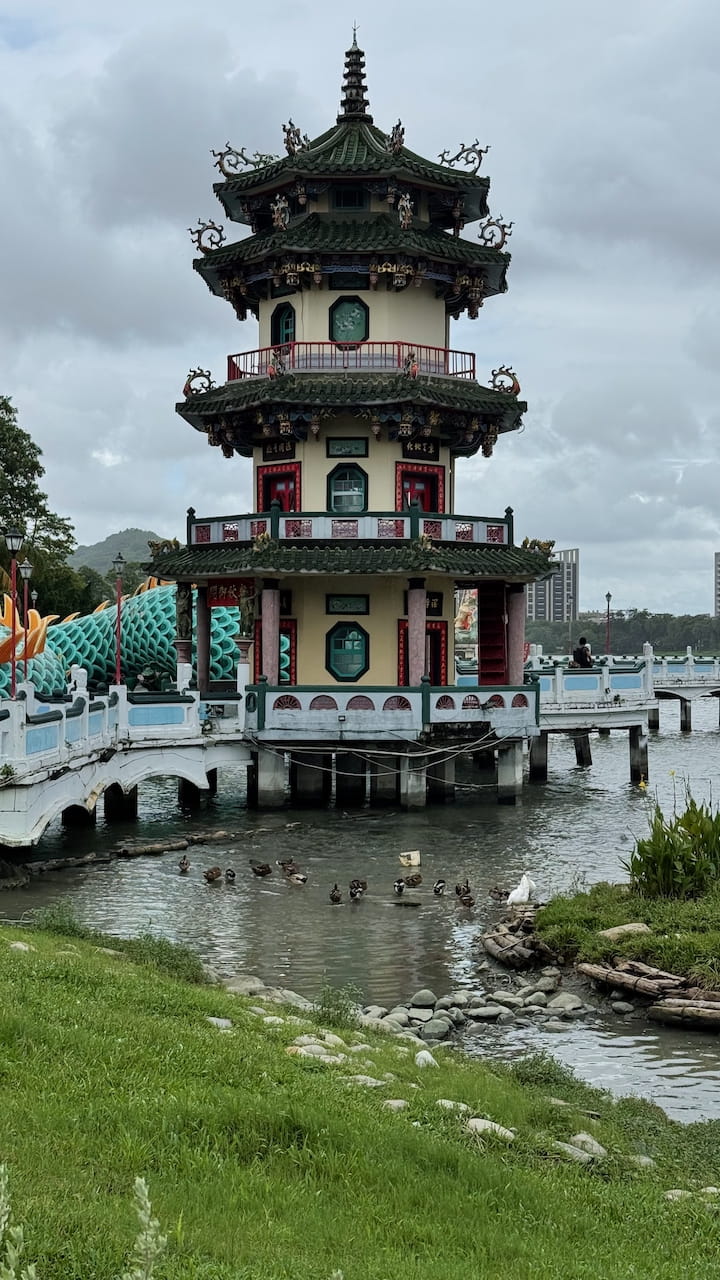
A short distance along the western shoreline are the Spring and Autumn Pavilions, built in 1953 in honour of Guan Gong, a figure associated with loyalty and righteousness. The two traditional towers are connected by a walkway that leads towards a large statue of Guanyin, the Goddess of Mercy, depicted riding a dragon. Visitors can follow the pathway through the dragon structure and continue towards the nearby Wuli Pavilion, which extends over the water.
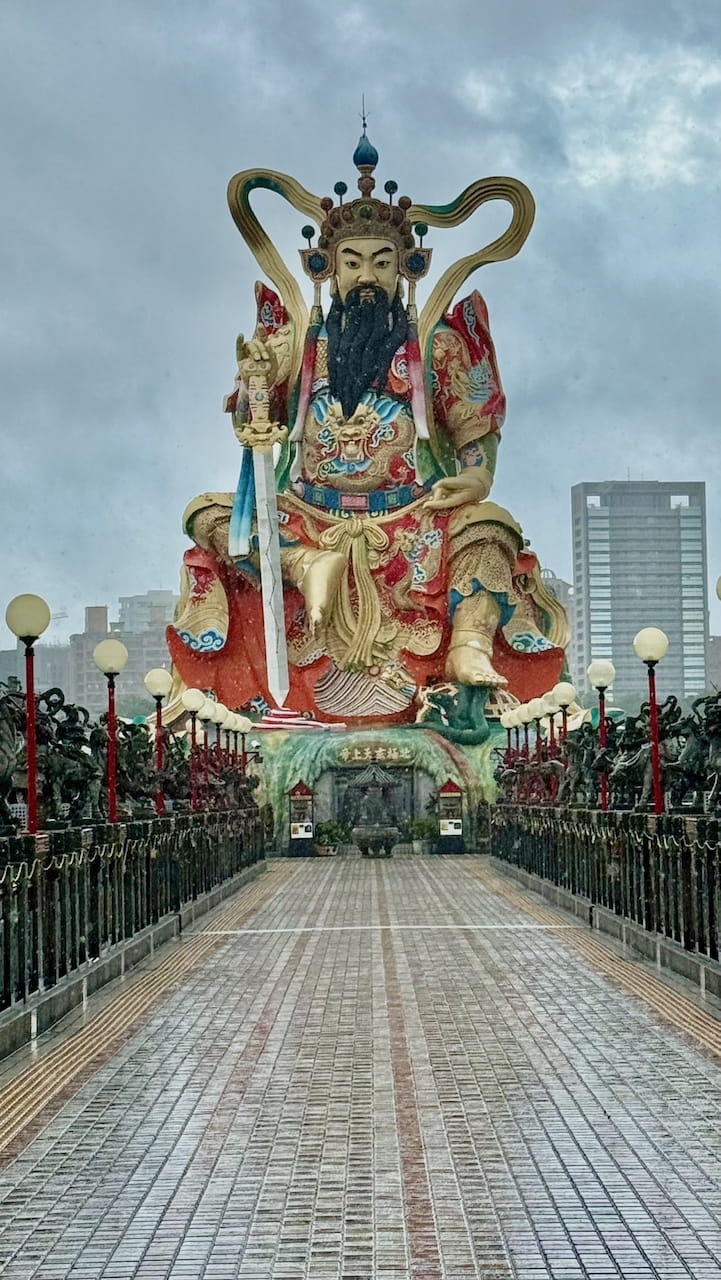
Another prominent landmark is Beiji Xuantian Shangdi, located at Pei Chi Pavilion. The impressive statue depicts Xuantian Shangdi, also known as the Supreme Emperor of the Dark Heaven, a revered Taoist deity.
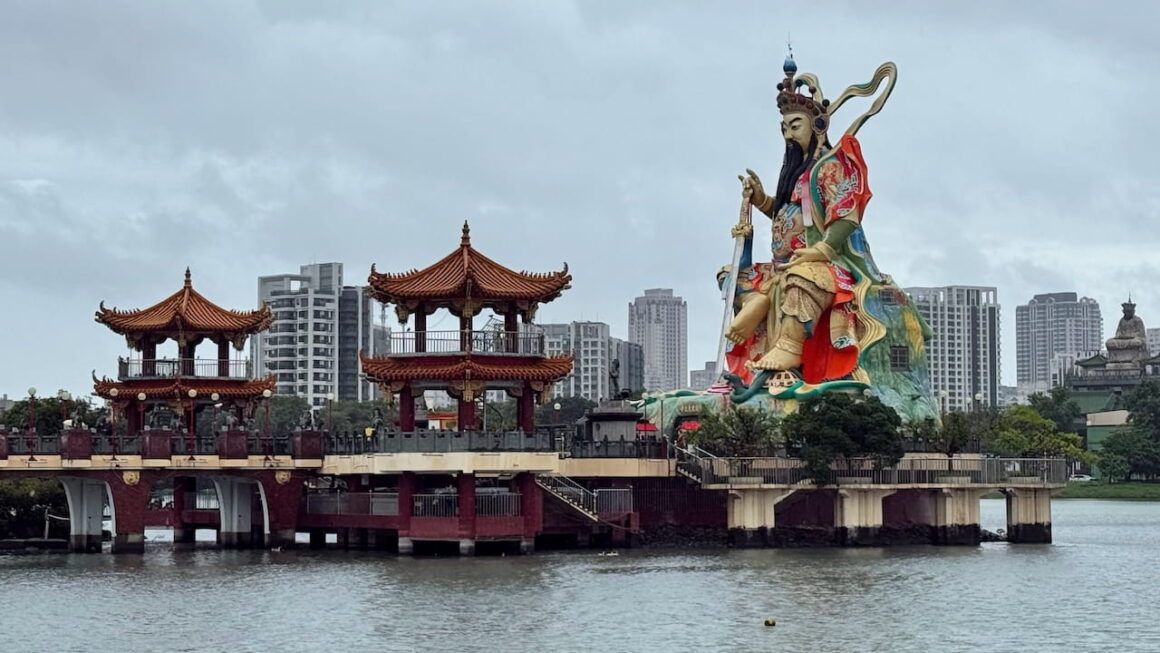
Standing approximately 72 metres tall, it is one of the most noticeable features of the Lotus Pond shoreline. The figure holds a seven-star sword and faces across the lake, making it a distinctive sight when exploring this section of the waterfront.
At the northern end of the lake stands the Kaohsiung Confucius Temple, regarded as the largest Confucius temple in Taiwan. Rebuilt in 1977 in the style of traditional Song Dynasty architecture, its spacious courtyards, yellow-tiled roofs and red pillars create a noticeably different atmosphere from the more colourful and elaborate temples elsewhere around the lake. Dedicated to Confucius, the temple reflects the importance of education, scholarship and traditional Chinese philosophy.
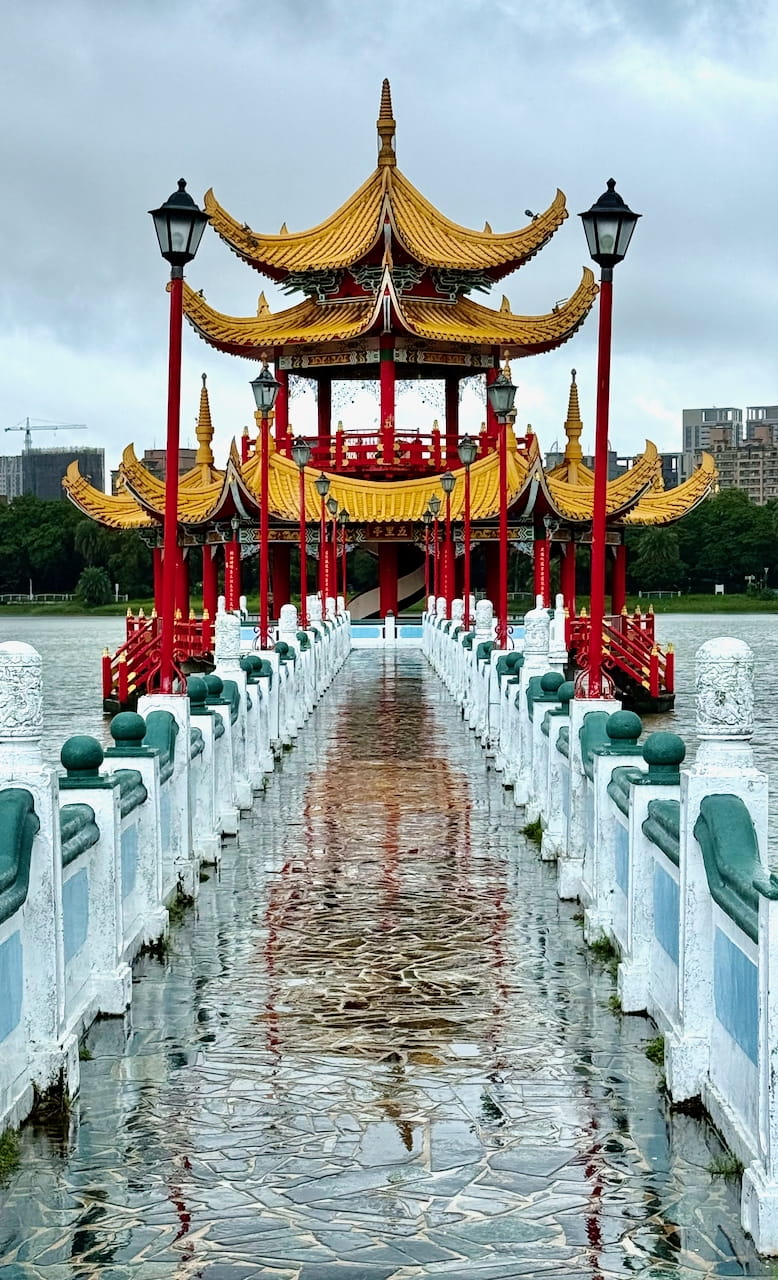
We would recommend allowing a few hours to explore Lotus Pond rather than simply stopping to photograph the Dragon and Tiger Pagodas. Walking along the shoreline provides an opportunity to appreciate the different temples and religious landmarks, each with its own character and significance. Together, they make Lotus Pond an interesting introduction to the religious traditions and cultural heritage of southern Taiwan.
Pier-2 Art Center: Exploring Kaohsiung’s Creative Waterfront
Wandering through Pier-2 Art Center was one of the more enjoyable experiences during our time in Kaohsiung. It is interesting to see how a former port area, once occupied by old warehouses and railway facilities, has been given a completely new purpose.
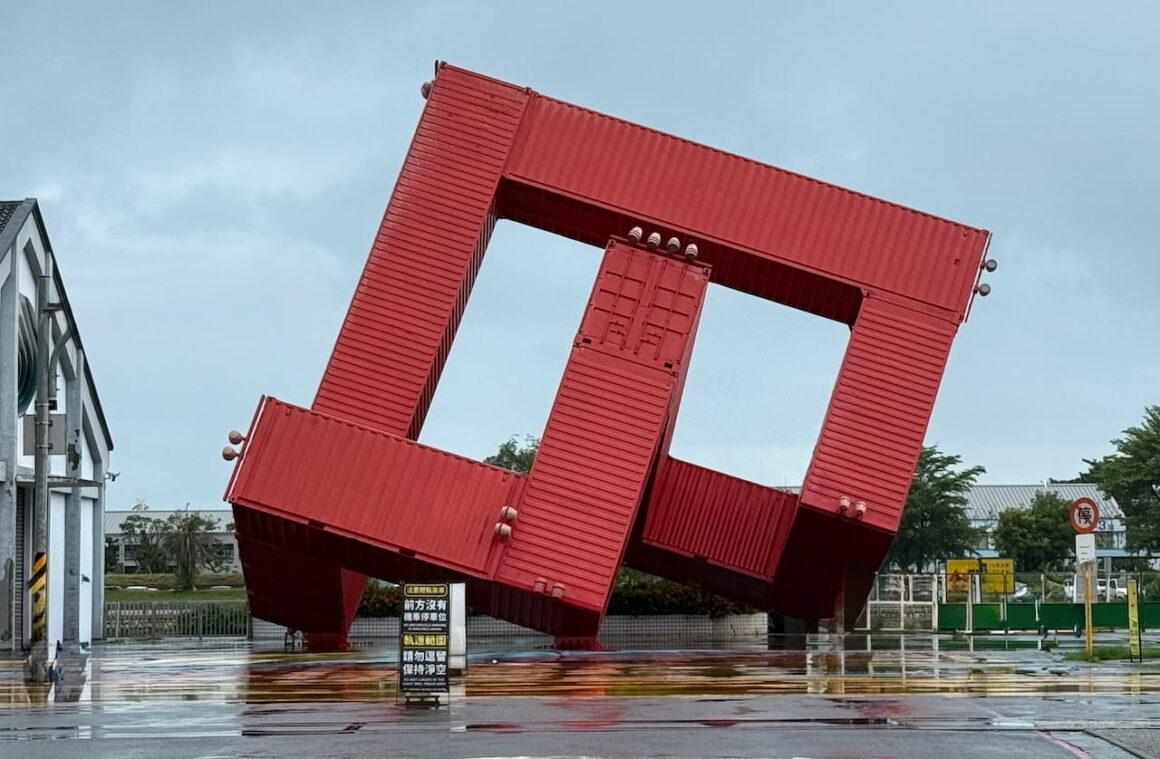
Today, the restored industrial buildings house art exhibitions, independent design shops, creative studios and cafés, while the surrounding outdoor spaces have become an appealing place to explore on foot.
What we particularly enjoyed was the variety of things we came across as we wandered between the buildings. You never quite knew what would be around the next corner.
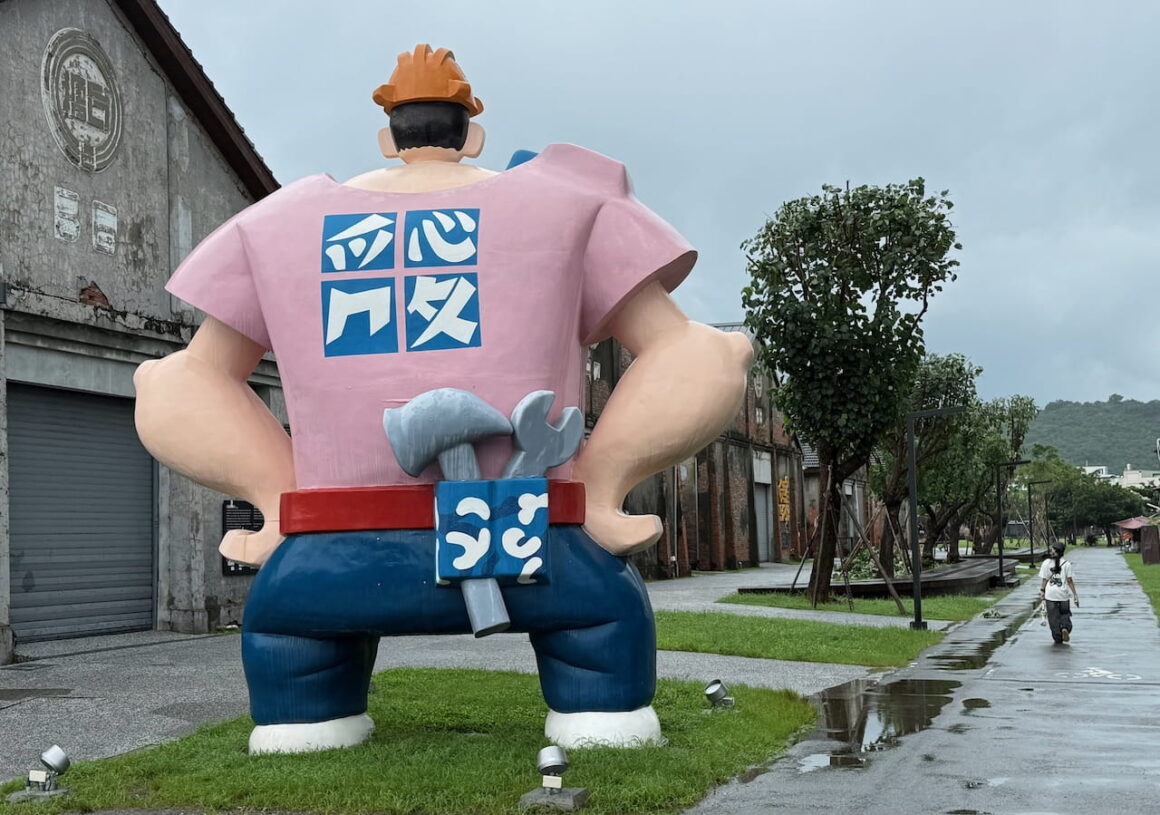
Large, playful sculptures appear in unexpected places, including oversized figures, colourful characters and imaginative installations that make interesting photographic subjects.
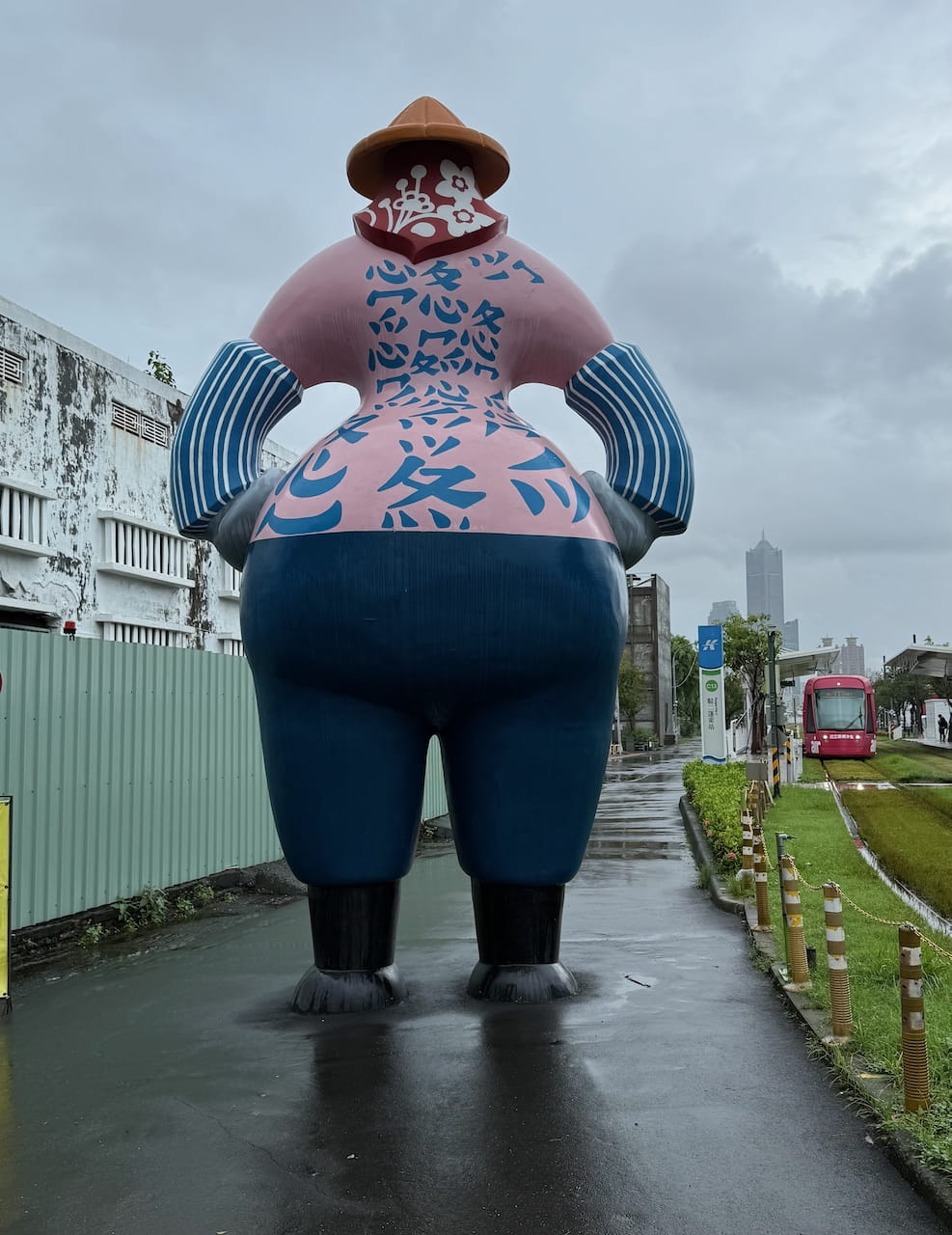
Some are positioned alongside the old railway tracks, while others occupy open courtyards and spaces between the warehouses. Murals, contemporary artwork and occasional temporary exhibitions add to the variety, giving the district a different feel from one section to another.
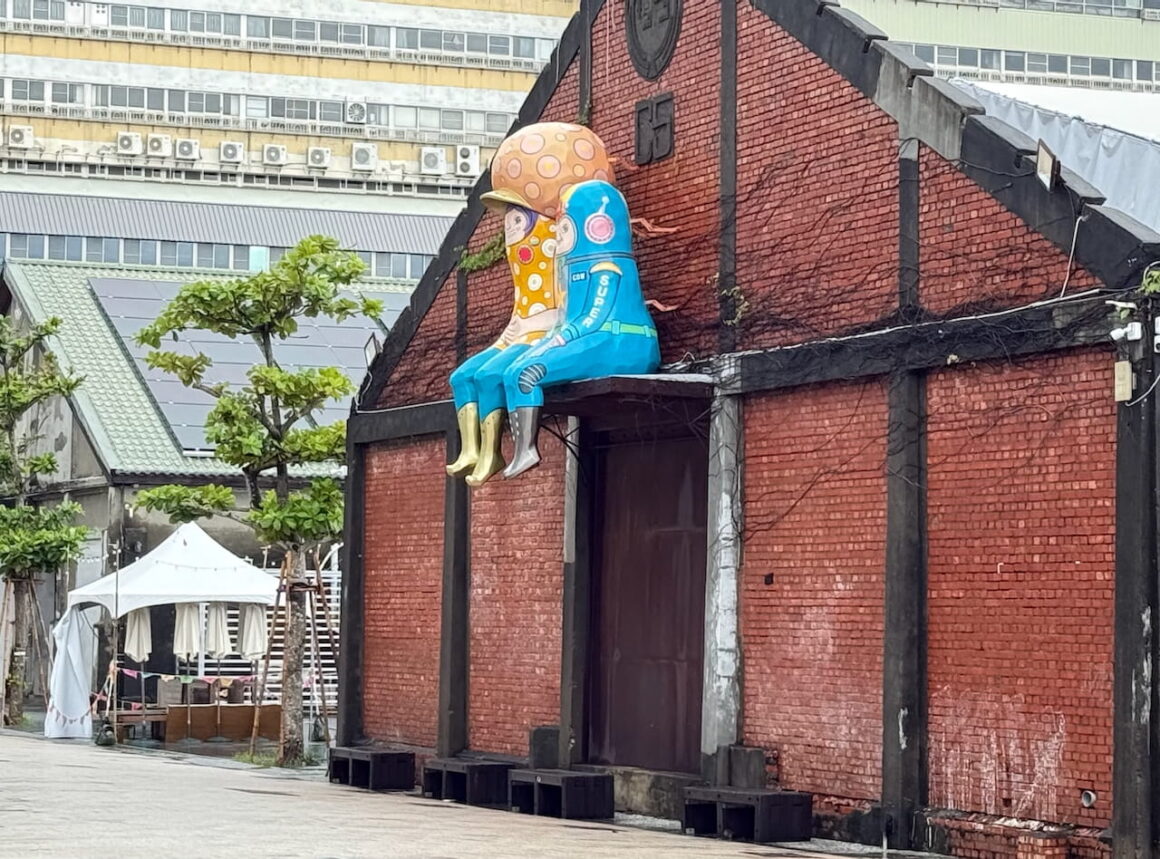
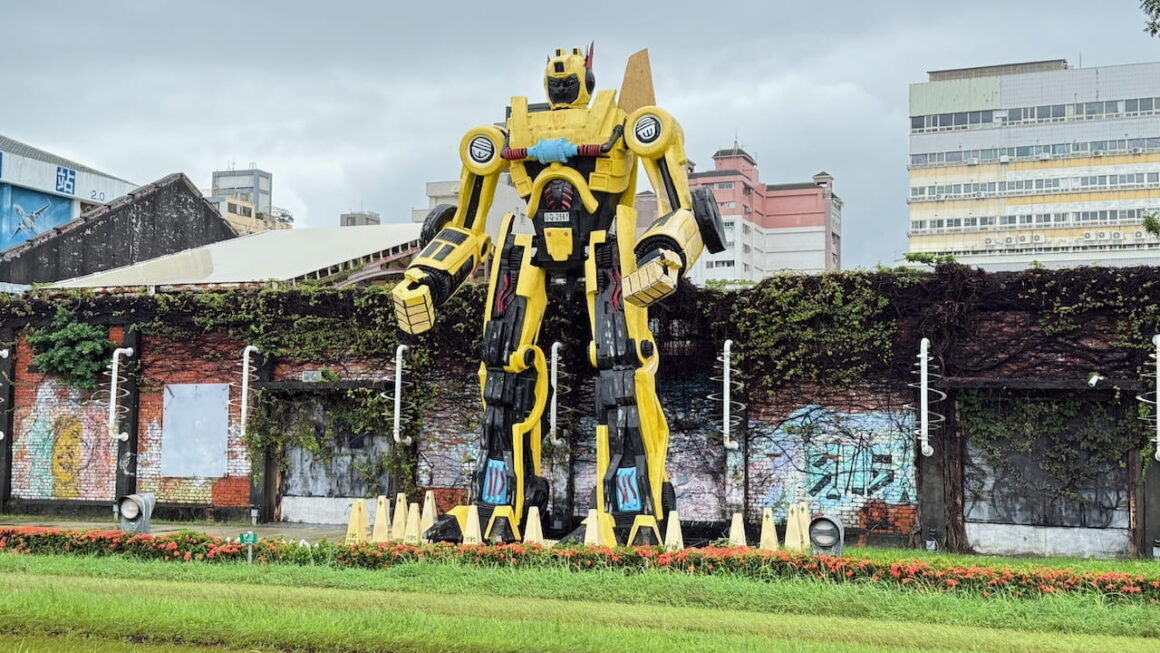
The former warehouses are worth exploring as well. Inside, you will find a changing selection of exhibitions, small shops selling locally designed products and cafés where you can take a break from walking. Outside, the waterfront paths and open areas provide plenty of room to wander, with views towards the harbour and the occasional boat passing by. The atmosphere is generally relaxed, although weekends and special events can bring larger crowds.
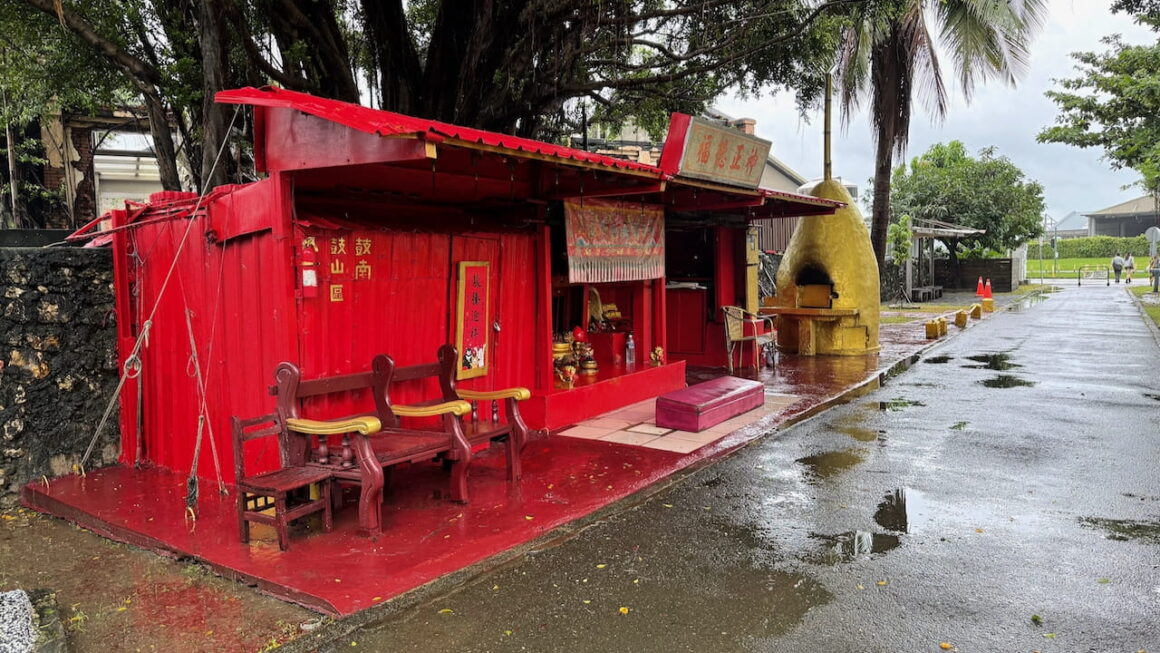
One of the easiest ways to reach Pier-2 is by using Kaohsiung’s Light Rail, which runs directly through the surrounding area. There are several convenient stops depending on which section you want to explore. Dayi Pier-2 Station (C12) provides access to the Dayi warehouses and nearby waterfront, while Penglai Pier-2 Station (C13) is convenient for the Dayong and Penglai sections. You can also use Hamasen Station (C14) if you want to explore the railway park at the western end. Alternatively, the MRT Orange Line stops at Yanchengpu Station (O2), from where it is approximately a five-minute walk to the area.
Interesting as we passed through Formosa Boulevard Station, where Kaohsiung’s Red and Orange MRT lines connect, became an unexpected highlight of our visit. We were on our way to catch another train when the Dome of Light caught our attention.
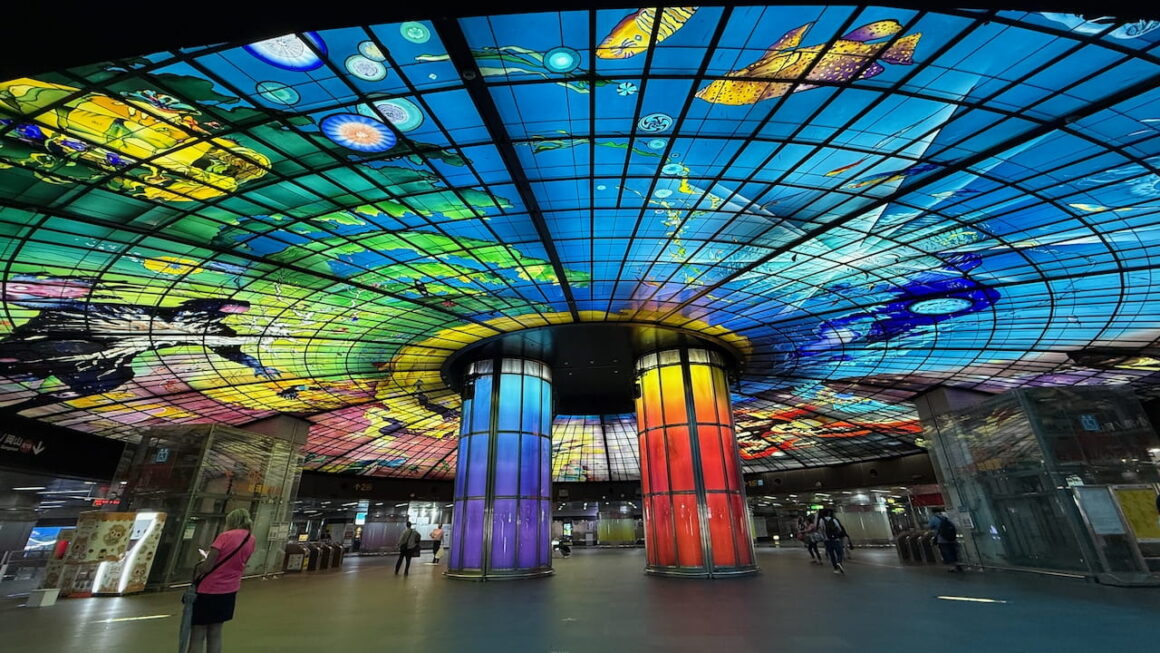
Looking up, we found ourselves taking a moment to appreciate the enormous glass installation above the station concourse. Made from thousands of individual pieces of coloured glass, the dome brings together an array of patterns and colours that change with the light. Despite the steady movement of commuters passing through the station, it was easy to pause and take in the scale and detail of the artwork.
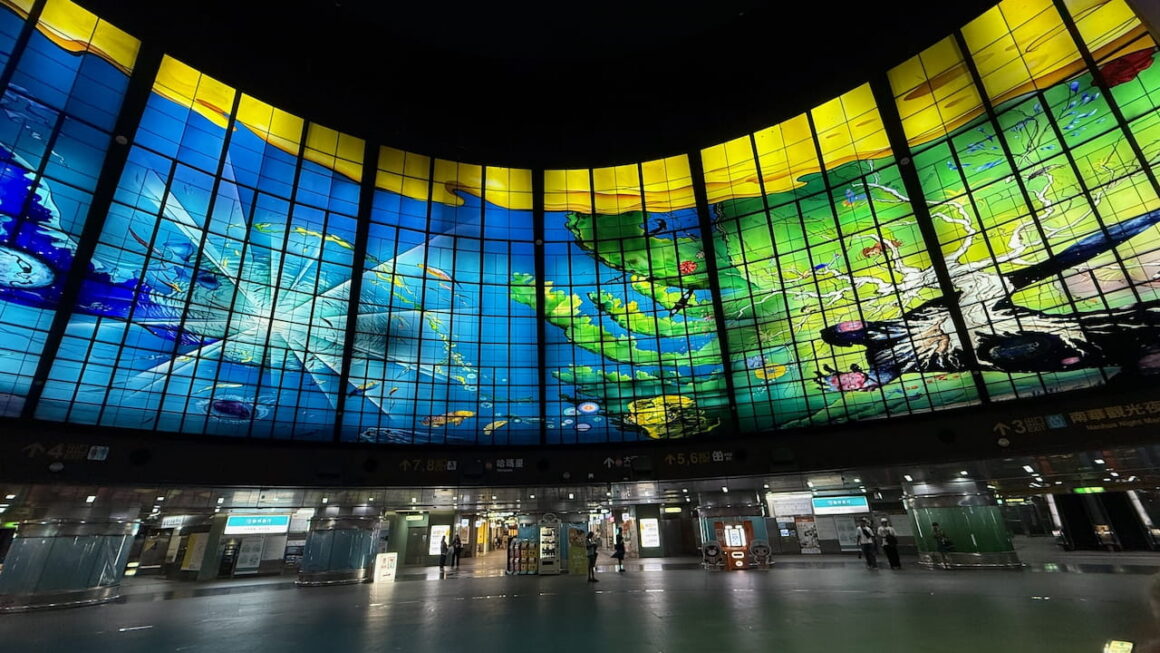
It is an unusual setting for such a large public art installation, and a good reminder that some of a city’s interesting discoveries can happen in places we might otherwise pass through without a second thought.
We found Pier-2 Art Center a refreshing change from some of Kaohsiung’s more traditional attractions. Its combination of old industrial buildings, unusual outdoor artwork, independent shops and waterfront setting makes it an enjoyable place to spend a few hours. I would suggest allowing time to explore without following a particularly rigid itinerary, as some of the most interesting discoveries are the unexpected ones you come across along the way.
Sanfeng Temple: An Evening Beneath the Red Lanterns
Visiting Sanfeng Temple in Kaohsiung as evening approached turned out to be one of the more memorable experiences of our time in the city. Although situated among the busy streets of Kaohsiung, the temple offers a very different atmosphere once you step inside its courtyard.
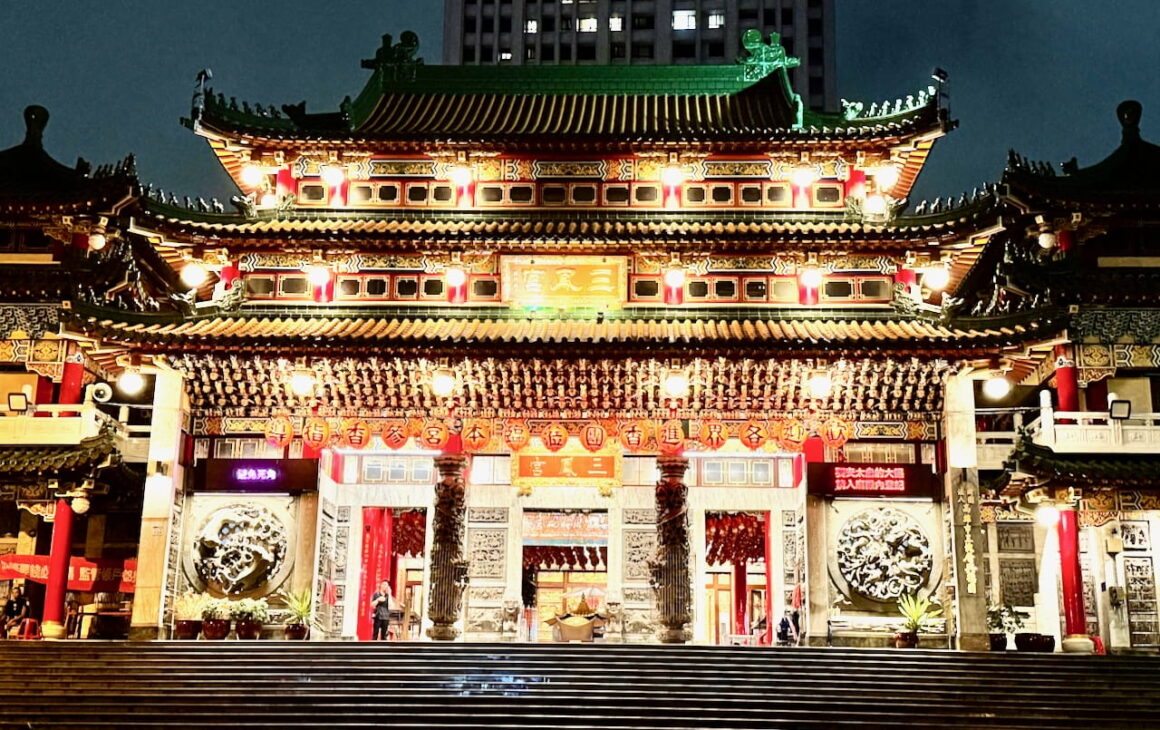
What immediately caught our attention was the remarkable number of red lanterns suspended overhead, hanging in closely arranged rows that create an almost continuous canopy above the courtyard. As the evening light faded and the lanterns illuminated the space, the entire setting took on a warm, distinctive glow.
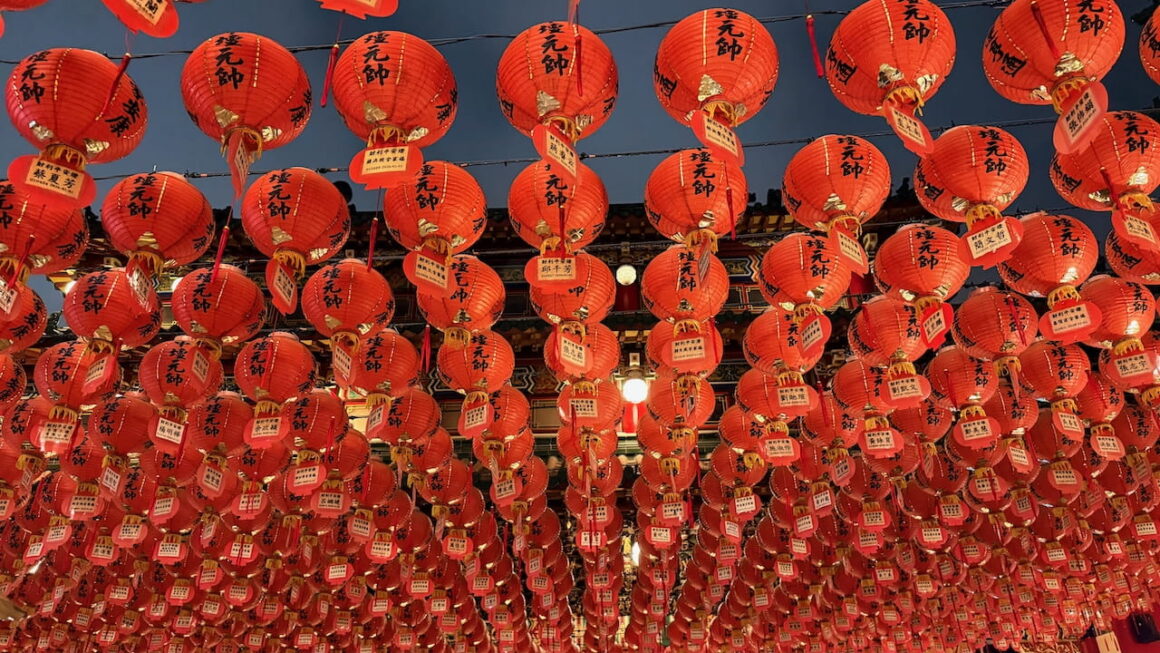
We arrived while local worshippers were gathering inside for their evening prayers and recitations. The sound of chanting carried through the temple, accompanied by the familiar fragrance of incense. It was an interesting opportunity to observe the temple being used for its everyday religious purpose rather than simply visited as a tourist attraction.
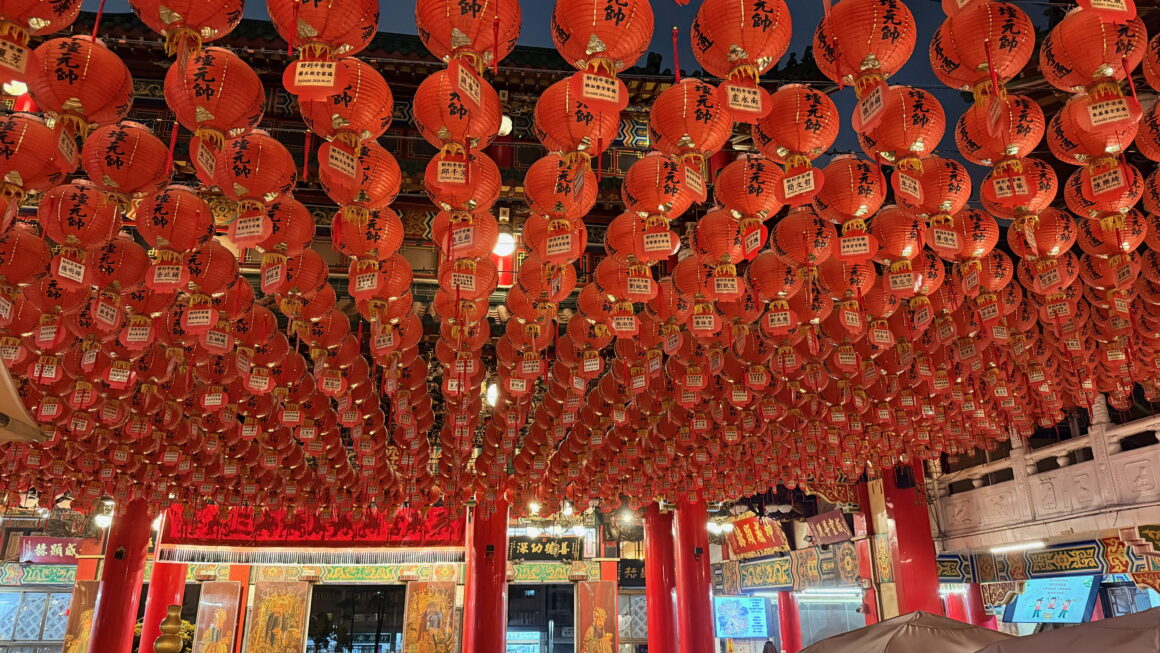
The combination of the illuminated lanterns, traditional decorations and quiet activity of those attending gave the temple a particularly welcoming and peaceful atmosphere.
We spent quite some time in the courtyard, taking in the surroundings and watching the activity around us. The lanterns are undoubtedly the most striking feature, but the temple is also worth exploring for its traditional decoration and religious significance. Sanfeng Temple is dedicated to Nezha, also known as the Third Prince, a popular protective deity in Chinese folk religion.
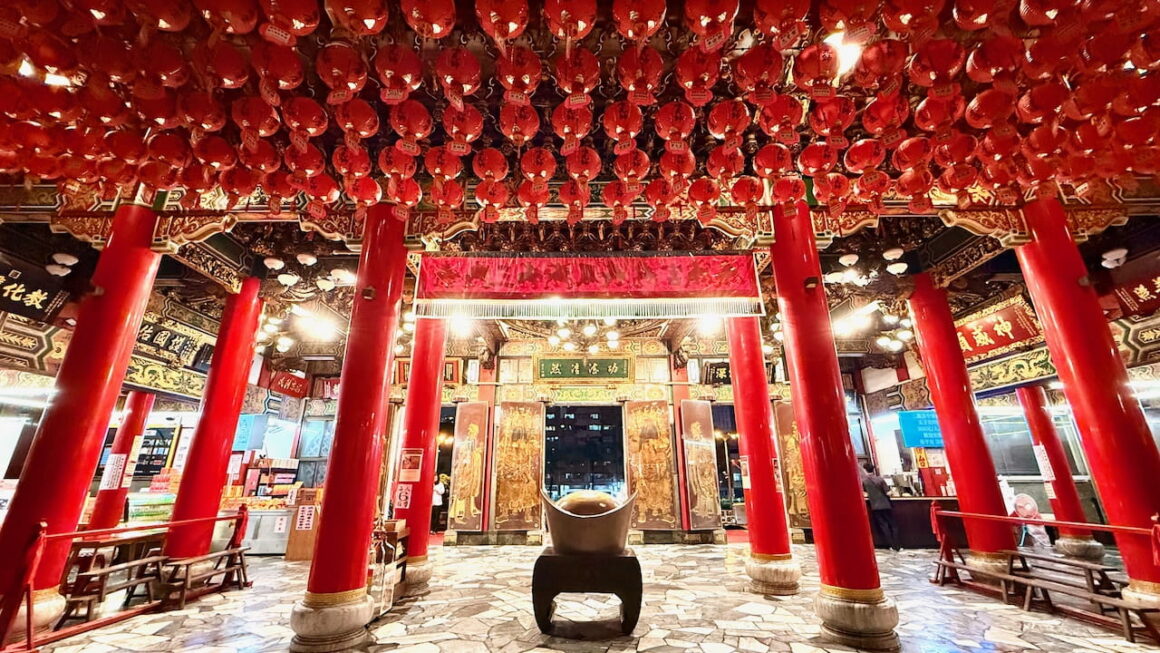
The temple has a history spanning more than 300 years, although it was relocated to its present site in 1971.For us, the timing of our visit made a considerable difference. Seeing the lanterns illuminated while local worshippers went about their evening rituals provided a more meaningful experience than simply stopping to photograph the courtyard. We would recommend visiting towards dusk or in the early evening, when the lanterns are lit and the temple takes on a very different character from its appearance during daylight hours.
Nanhua Night Market and Liuhe Night Market
In the evening, we made time to explore two of Kaohsiung’s night markets: Nanhua Night Market and Liuhe Night Market.
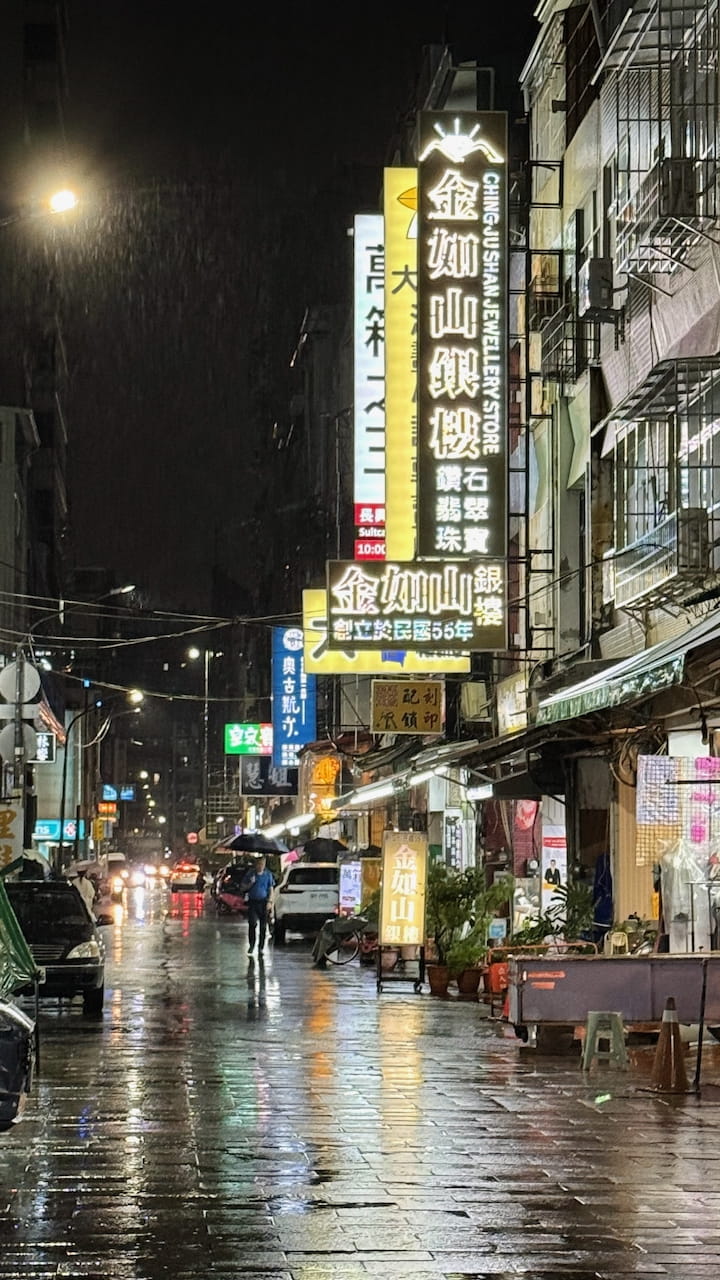
At Liuhe, the market takes over a wide city street, which becomes a pedestrian area lined with food stalls once the evening gets underway. We enjoyed wandering between the vendors, sampling grilled seafood and papaya milk while taking in the steady flow of people enjoying their evening out.
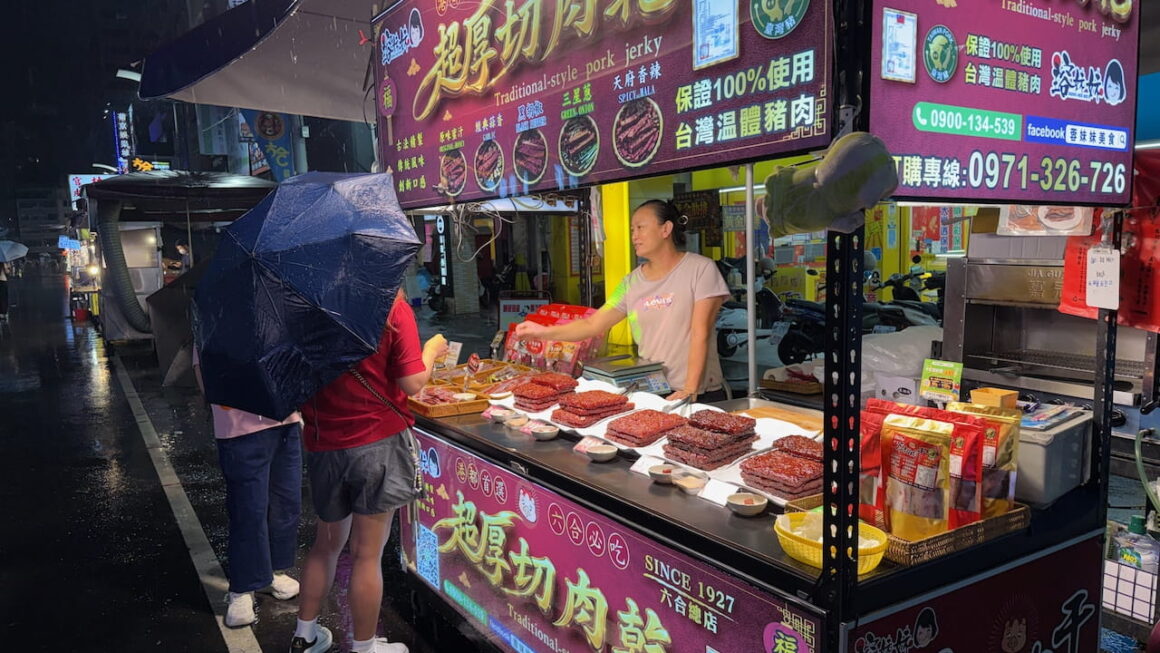
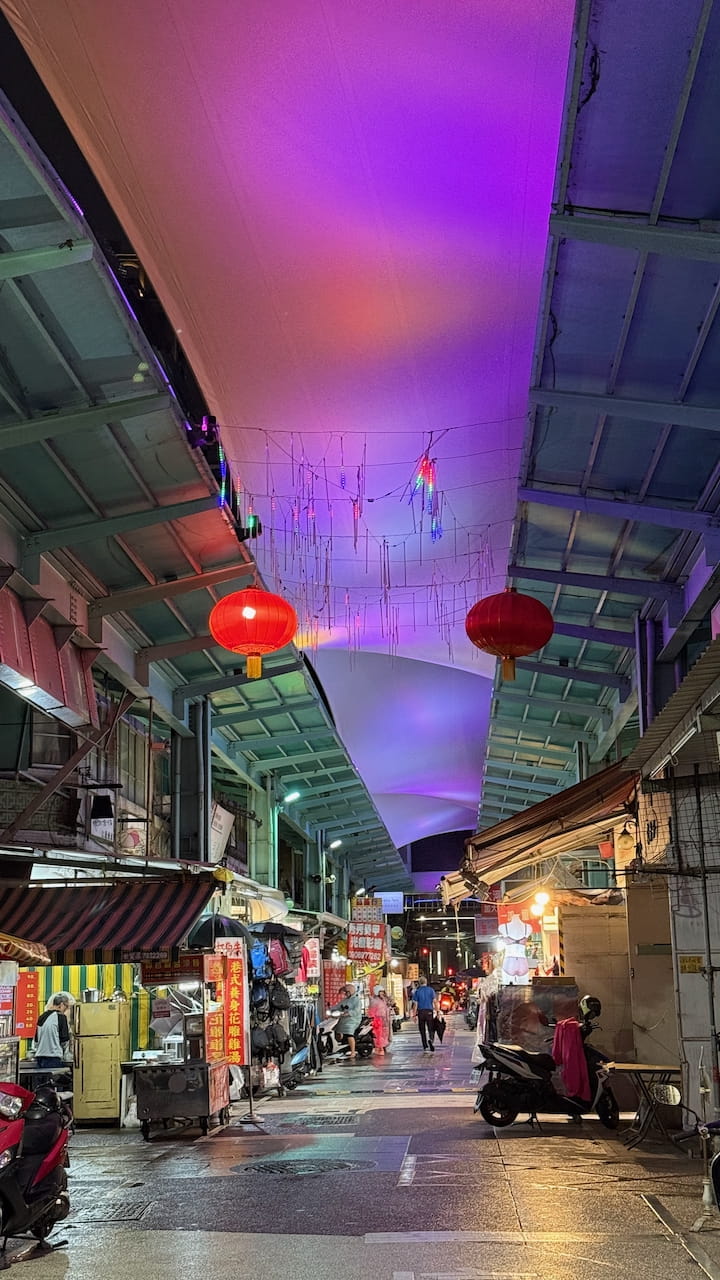
Nanhua offered a different experience. Its covered market streets have a more traditional, everyday feel, with food stalls alongside shops selling clothing and other goods. Visiting both gave us a chance to experience two sides of Kaohsiung’s evening market culture, from the more visitor-oriented atmosphere of Liuhe to the neighbourhood character of Nanhua.