
Hong Kong in 5 Days: Some Adventure Travel Suggestions for Experienced Travellers
Discover Hong Kong Island and Kowloon through iconic harbour views, historic neighbourhoods, local markets, memorable dining and the comfort of a five-star hotel.
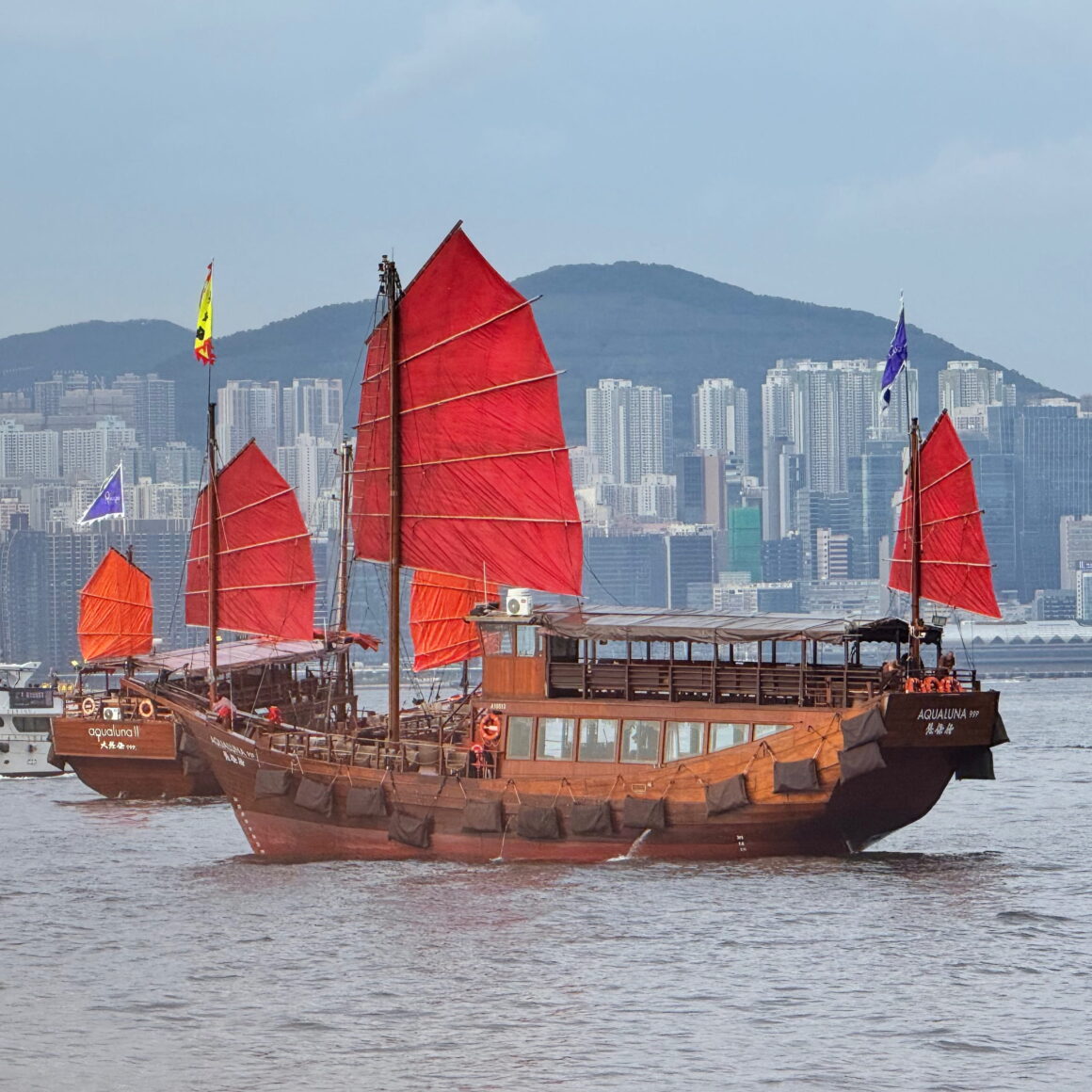
Hong Kong is a destination of fascinating contrasts. Towering skyscrapers rise above centuries-old temples, traditional street markets sit alongside designer boutiques, and historic ferries cross a harbour framed by one of the world’s most recognisable skylines. For travellers who appreciate comfort, culture and discovery in equal measure, Hong Kong offers an exceptional mix of urban adventure and sophisticated experiences.
As experienced travellers, we found that five days offered a rewarding introduction to Hong Kong Island and Kowloon without having to rush between every attraction. We visited in August, when the heat and humidity were intense, but we also encountered fewer crowds than we expected during the busier November-to-December travel period.
Our base was the five-star Grand Hyatt Hong Kong in Wan Chai, a convenient waterfront location for exploring both sides of Victoria Harbour. Our approach was simple: prioritise the essential sights, leave time for spontaneous discoveries, enjoy local food, and use comfortable transport when the weather made walking less appealing.
For anyone researching adventure travel Hong Kong, this information combines the city’s signature attractions with cultural encounters, lesser-known streets and practical advice for a more relaxed, upscale stay.
Discover Hong Kong Island’s Historic Heart
Victoria Peak and the Peak Tram
Begin your Hong Kong adventure with one of the city’s most spectacular viewpoints: Victoria Peak. The historic Peak Tram climbs the steep hillside towards the Peak Tower, offering glimpses of the city between the buildings and trees. From the summit, the panorama opens across Central’s skyscrapers, Victoria Harbour and the surrounding islands.
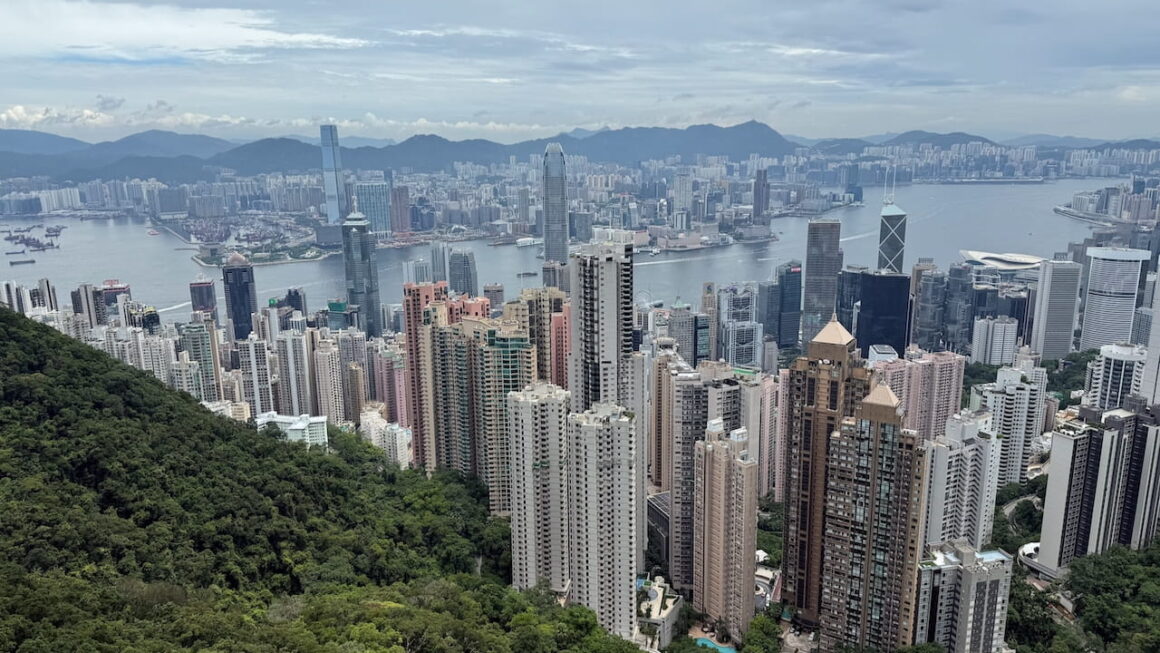
We recommend travelling early or later in the afternoon to avoid the hottest part of the day. Clear weather makes a significant difference to the views, so check the forecast before choosing your time.
For a more elevated experience, consider visiting Sky Terrace 428, where the open-air viewing platform provides sweeping city vistas. If privacy and comfort matter, a pre-booked private driver can make the journey to the Peak more convenient, although it is worth retaining the tram ride as part of the experience.
Estimated cost: Return Peak Tram tickets are approximately HK$116 per adult, with Sky Terrace 428 admission around HK$80 extra. Combination tickets and premium access options are also available. Check current prices and purchase through the official Peak Tram website.
Central-Mid-Levels Escalators and SoHo
After descending, explore Central’s fascinating mix of old and new. The Central-Mid-Levels Escalators form an extensive outdoor covered escalator and walkway system connecting the lower commercial district with the hillside neighbourhoods above.
This is an excellent way to see every day Hong Kong without committing to a strenuous uphill walk. Along the route, discover small cafés, restaurants, independent shops and the lively streets of SoHo. The escalators operate in different directions at different times, so check the direction before setting off.
Allow time to step away from the main route. Some of the most interesting experiences come from wandering through side streets, browsing local shops or stopping for a drink in a quiet courtyard.
Man Mo Temple and Old Central
Continue to Man Mo Temple in Sheung Wan, one of Hong Kong’s best-known historic temples. Dedicated to the gods of literature and war, the temple is particularly memorable for its traditional architecture, ornate details and coils of incense suspended overhead.
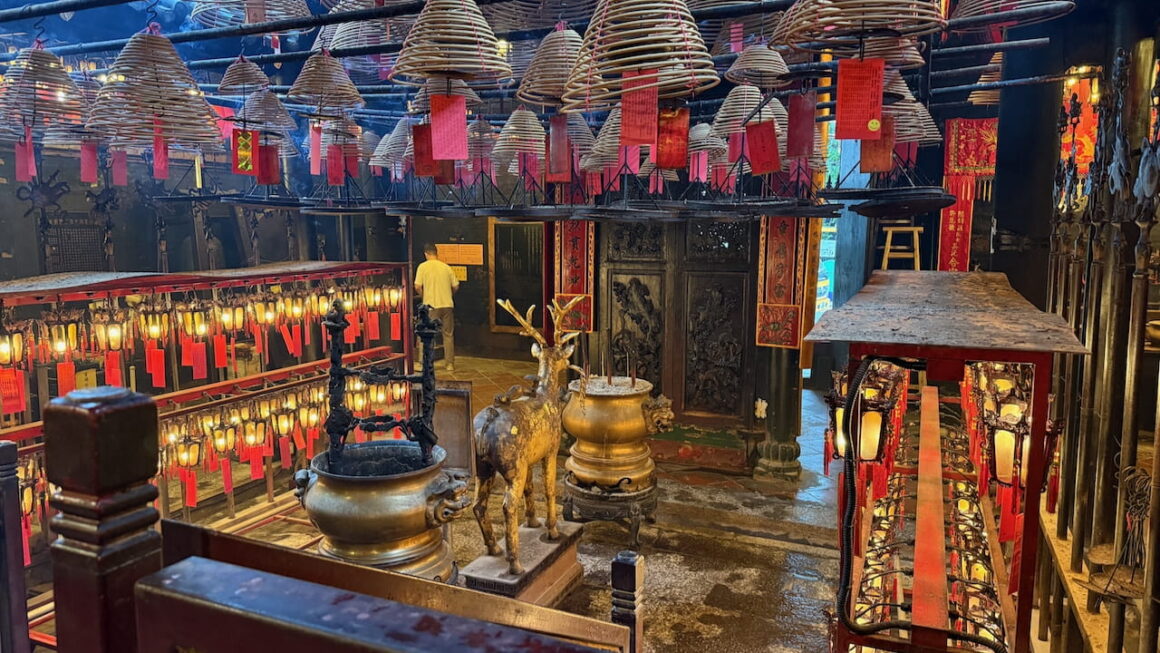
Visit respectfully, keep noise to a minimum and observe any photography restrictions. Afterwards, explore the surrounding streets, where traditional shops and dried seafood merchants provide a striking contrast to Central’s glass office towers.
This neighbourhood offers a glimpse of Hong Kong’s cultural heritage that can easily be missed when travelling only between major attractions.
Evening in Lan Kwai Fong
Lan Kwai Fong (LKF), a compact district of restaurants, bars and nightlife venues in Central. It is popular with residents, expatriates and international visitors, especially after work and on weekends.
Choose a restaurant or cocktail bar that suits your mood rather than trying to visit everything. For a quieter evening, make an early dinner reservation and return to the hotel before the busiest nightlife hours.
Dining guide: Allow approximately HK$150–350 per person for a casual meal, or HK$500–1,200 or more for upscale dining, depending on the venue and drinks.
Wan Chai, Local Culture and the Harbour
Wan Chai, Local Culture and the Harbour
Golden Bauhinia Square
Start the morning near the Hong Kong Convention and Exhibition Centre at Golden Bauhinia Square. The gilded bauhinia sculpture commemorates Hong Kong’s 1997 handover, making the waterfront plaza an important historical landmark.
A daily flag-raising ceremony takes place at 8:00 a.m., although the arrangements and access conditions should be checked before visiting. The early start also offers a chance to enjoy the waterfront before the afternoon heat builds. <a href=”https://www.hkcec.com/en/node/16“>Official venue information</a>
The Wan Chai Heritage Trail
Spend some time exploring the Wan Chai Heritage Trail, a self-guided route through older streets that reveal another side of Hong Kong Island.
Look for traditional temples, historic buildings, older shophouses and neighbourhood businesses that have survived amid rapid redevelopments. Rather than rushing through the route, allow time to appreciate the architectural details and observe the rhythm of everyday life.
Wan Chai is also an excellent area for sampling local food. A traditional cha chaan teng—a Hong Kong-style café offers a casual introduction to local dining. Try milk tea, macaroni soup, a toasted sandwich or an egg tart, depending on the menu.
Estimated food costs: A simple local café meal might cost HK$40–100 per person, while a more substantial restaurant lunch may run HK$100–250.
Ride the Ding Ding Tram
One of Hong Kong Island’s most enjoyable low-key experiences is a ride on the historic double-decker tram, affectionately called the Ding Ding after its distinctive bell.
Board along the northern side of Hong Kong Island and take an upper-deck seat for views of street markets, busy intersections, older buildings and modern towers. It is a wonderfully unhurried way to experience the city at street level.
Adult single-journey fares are currently listed at HK$3.30. You can pay using an Octopus card or supported electronic payment methods. <a href=”https://www.hktramways.com/en/schedules-fares“>Check current tram fares</a>.
Causeway Bay and Victoria Park
Continue to Causeway Bay for shopping, department stores and energetic streets filled with restaurants and cafés. Nearby Victoria Park provides a greener pause from the commercial bustle.
This area is ideal for travellers who enjoy observing local life as much as visiting landmarks. Browse a market, stop for refreshments or simply watch the city move around you.
In the evening, return to the waterfront or enjoy dinner at the hotel. A slower evening is worthwhile after a day spent exploring in the humidity.
Kowloon’s Waterfront and the Symphony of Lights
Cross Victoria Harbour to Kowloon, where dense shopping streets, museums and a lively waterfront offer a different perspective on Hong Kong.
The Star Ferry
The Star Ferry is more than transport: it is one of Hong Kong’s defining experiences. The short crossing between Central and Tsim Sha Tsui offers wonderful views of the skyline without the expense of a dedicated sightseeing cruise.
Choose the upper deck if you want the best vantage point for photographs. The crossing from Central to Tsim Sha Tsui takes approximately nine minutes, and published adult upper-deck fares are around HK$5 on weekdays and HK$6.50 on weekends and public holidays. <a href=”https://www.td.gov.hk/en/transport_in_hong_kong/public_transport/ferries/service_details/“>Check official ferry information</a>.
Tsim Sha Tsui Promenade and Avenue of Stars
Once in Kowloon, explore the Tsim Sha Tsui Promenade, one of the city’s finest places to admire the harbour and Hong Kong Island skyline.
Continue along the Avenue of Stars, which celebrates Hong Kong’s film industry with handprints, tributes to performers and a statue of martial arts icon Bruce Lee. The waterfront makes a particularly attractive stop for photography, especially as the light changes towards sunset.
Allow time for a leisurely walk rather than treating the promenade as a quick photo opportunity. Benches and open views make this a pleasant place to pause and take in the scale of the city.
Hong Kong Space Museum
The distinctive dome of the Hong Kong Space Museum is an easily recognised feature of the Tsim Sha Tsui waterfront. Its astronomy and space-science exhibitions, together with its planetarium programmes, offer an indoor alternative during hot or rainy weather.
Check the museum’s current opening days, programme and ticket prices before planning your visit.
Experience the Symphony of Lights
Return to the waterfront in the evening for the Symphony of Lights, Hong Kong’s nightly multimedia light shows over Victoria Harbour. The display normally begins at 8:00 p.m. and combines illuminated buildings, lasers and music.
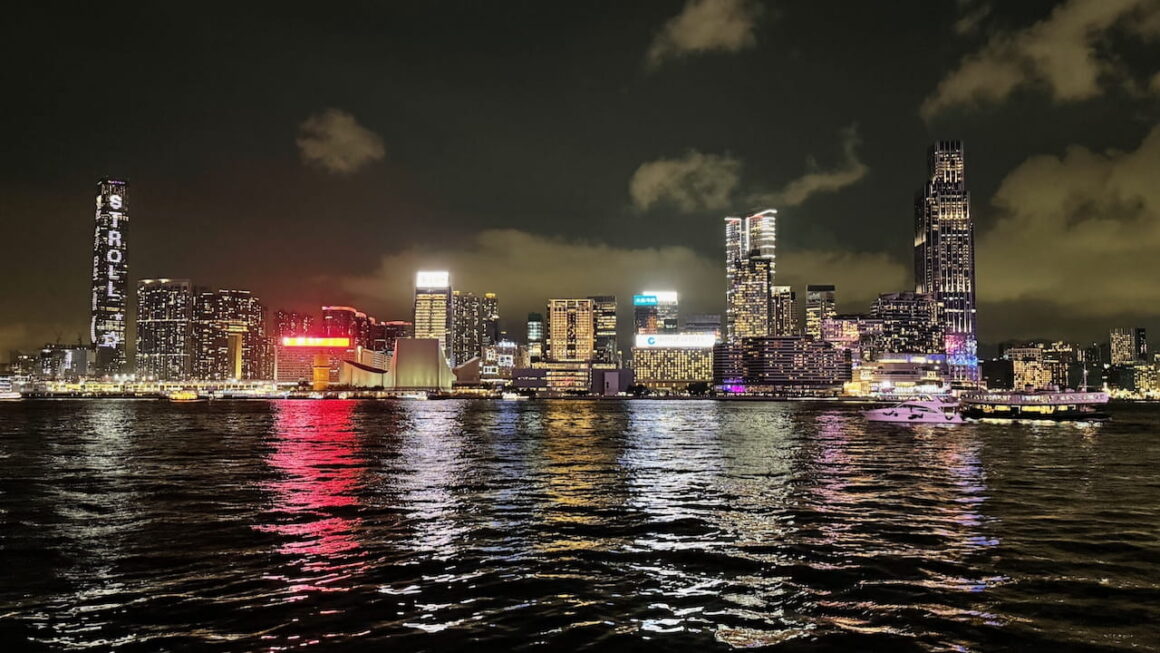
The Tsim Sha Tsui waterfront is a popular viewing location, while a harbour cruise provides a different perspective from the water. The show is free to watch from public viewing areas, but it can be cancelled under certain severe-weather warnings. <a href=”https://www.discoverhongkong.com/eng/place-to-go/travel.guide-a-symphony-of-lights.html“>Check current show information</a>.
For a comfortable evening, reserve a waterfront table or book a suitable harbour experience in advance. If you prefer a simpler option, enjoy the show from the promenade and take the Star Ferry back across the harbour afterwards.
Kowloon’s Markets, Street Food and Everyday Life
Ladies’ Market
Head to Mong Kok to explore Ladies’ Market, an energetic open-air shopping street on Tung Choi Street. Stalls offer clothing, accessories, souvenirs and inexpensive gifts.
Despite its name, the market sells a broad variety of goods for different visitors. Bargaining may be appropriate at some stalls, but be polite, compare prices and remember that quality varies.
For travellers who value exclusivity, the market is less about luxury shopping and more about experiencing the intensity and character of local street commerce.
Sneaker Street
Continue to Fa Yuen Street, widely known as Sneaker Street, where sports footwear shops sit close together along a busy shopping strip. It is a worthwhile stop for sneaker enthusiasts, and anyone interested in Hong Kong’s retail culture.
Check product details and authenticity carefully when shopping, particularly if an offer seems unusually attractive.
Goldfish Market
The nearby Goldfish Market provides one of Mong Kok’s most distinctive visual experiences. Aquariums and rows of colourful fish-filled bags appear outside specialist shops, reflecting a longstanding local interest in keeping ornamental fish.
Browse respectfully and avoid blocking shop entrances. This is an active commercial neighbourhood rather than a purpose-built attraction, so its appeal lies in observing daily activity.
Temple Street Night Market
In the evening, make your way to Temple Street Night Market, around Jordan and Yau Ma Tei. As the stalls come alive, the street fills with shoppers, casual eateries and vendors selling a varied assortment of goods.
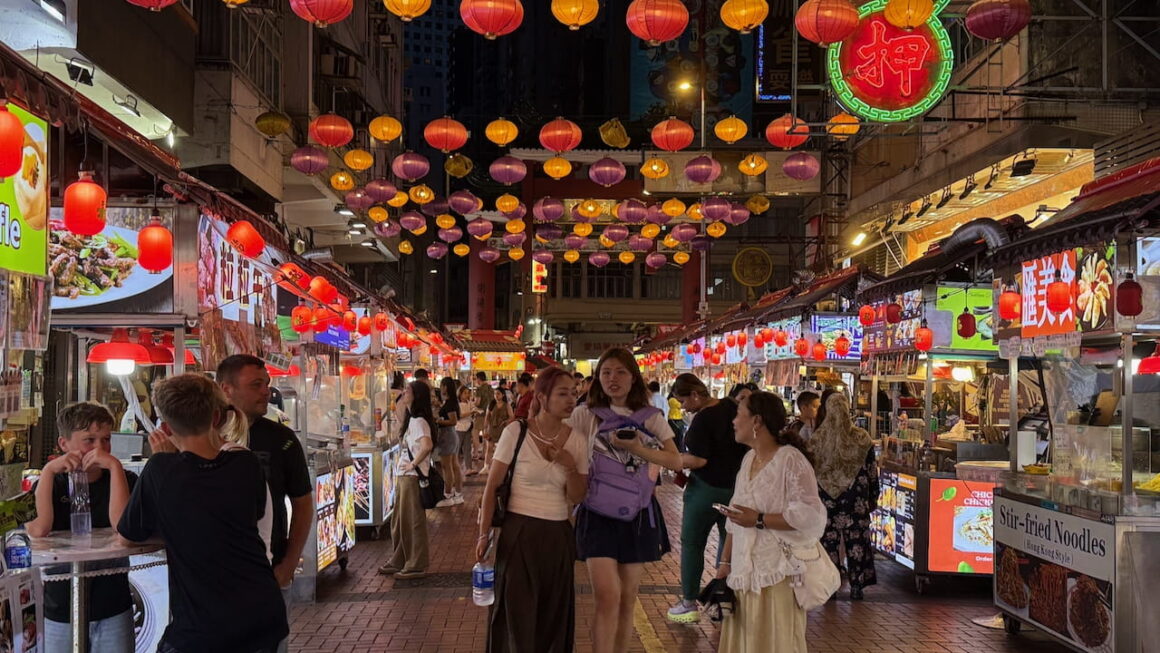
This is an excellent place to sample local snacks or enjoy a simple meal in a bustling setting. Choose busy food stalls with good turnover, check prices before ordering and carry some cash for smaller purchases.
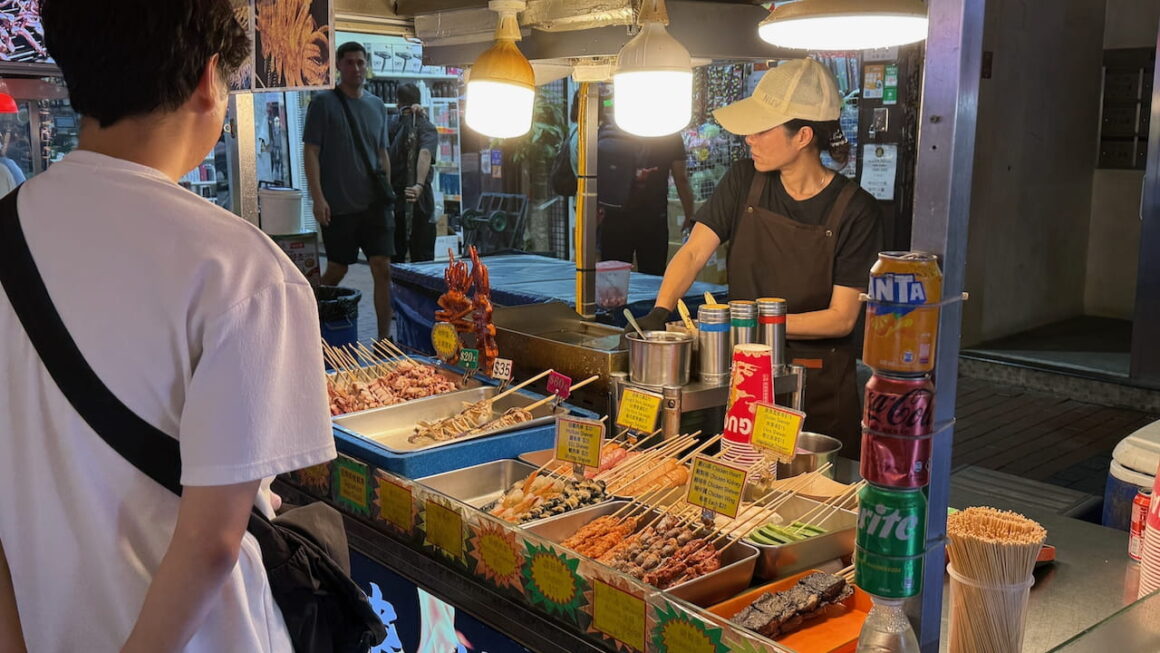
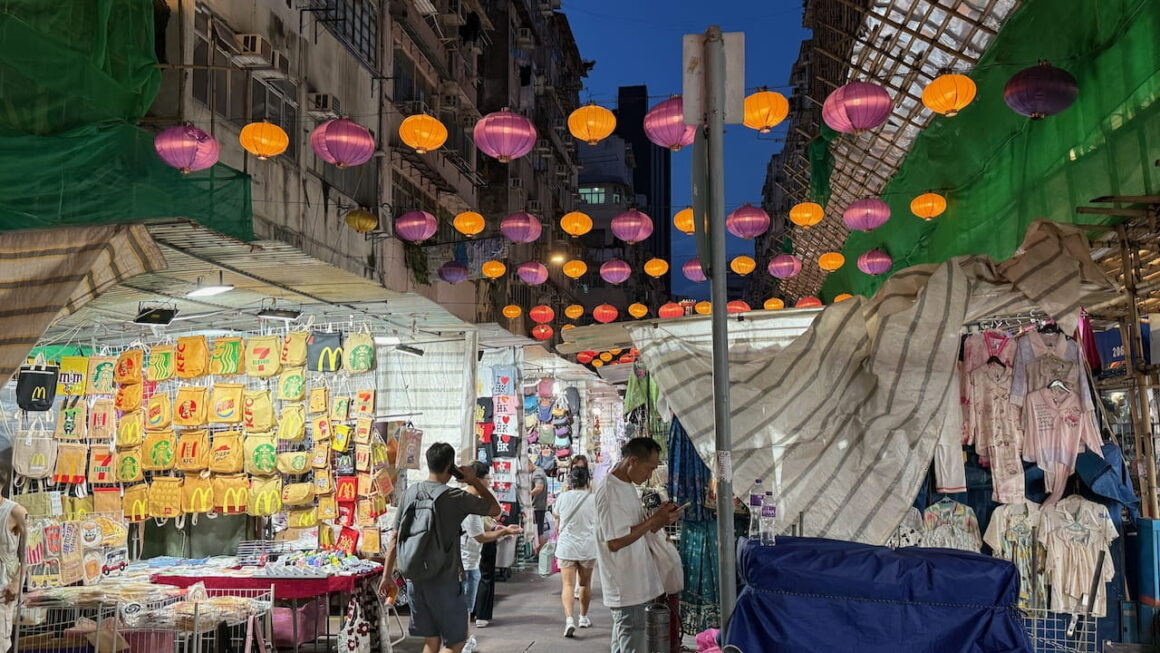
Approximate food costs: Allow HK$100–250 per person for a casual market-focused dinner, depending on how many dishes and drinks you sample.
For a more relaxed approach, arrive early, browse the market at your own pace and leave before the busiest late-evening period.
Yick Cheong Building: The Monster Building
On one of your days, head back to Hong Kong Island’s eastern side to see Yick Cheong Building, commonly called the Monster Building. Located in the Quarry Bay area, this dense residential complex became internationally recognisable after appearing in popular film imagery.
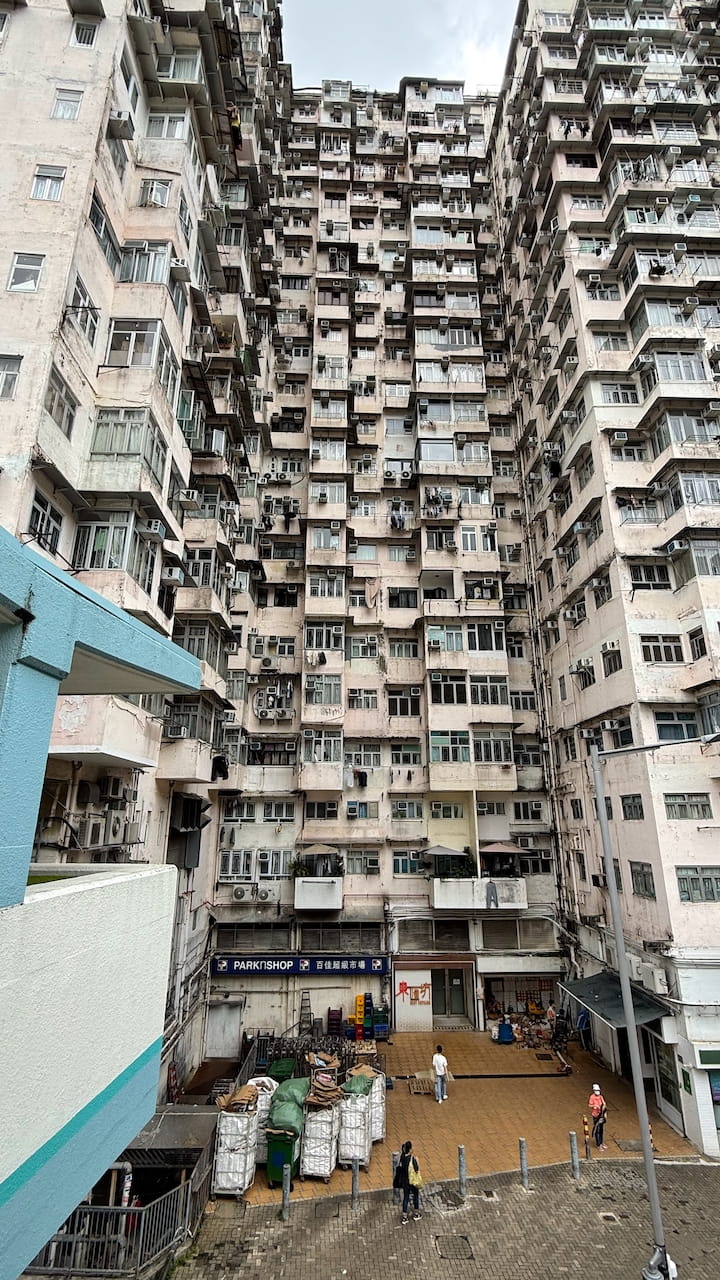
The building’s dramatic arrangement of residential towers creates an impressive architectural scene and offers insight into Hong Kong’s high-density urban environment.
Responsible Travel: The Monster Building is a private residential complex, not a public amusement park. Commandeering communal stairwells for extended photo shoots is deeply disrespectful, directly disrupting the daily lives and privacy of the local community. To be a conscious visitor, keep your voice low, avoid entering restricted private zones, and strictly follow all posted building regulations. If you want a quieter, more unobtrusive experience that does not hinder residents’ access to their own homes, plan your visit for early in the morning.
The Island Line MTR to Quarry Bay is a practical way to reach the area, followed by a walk. Allow time to explore the surrounding streets rather than treating the building as the only reason to visit.
Tian Tan Buddha (The Big Buddha)
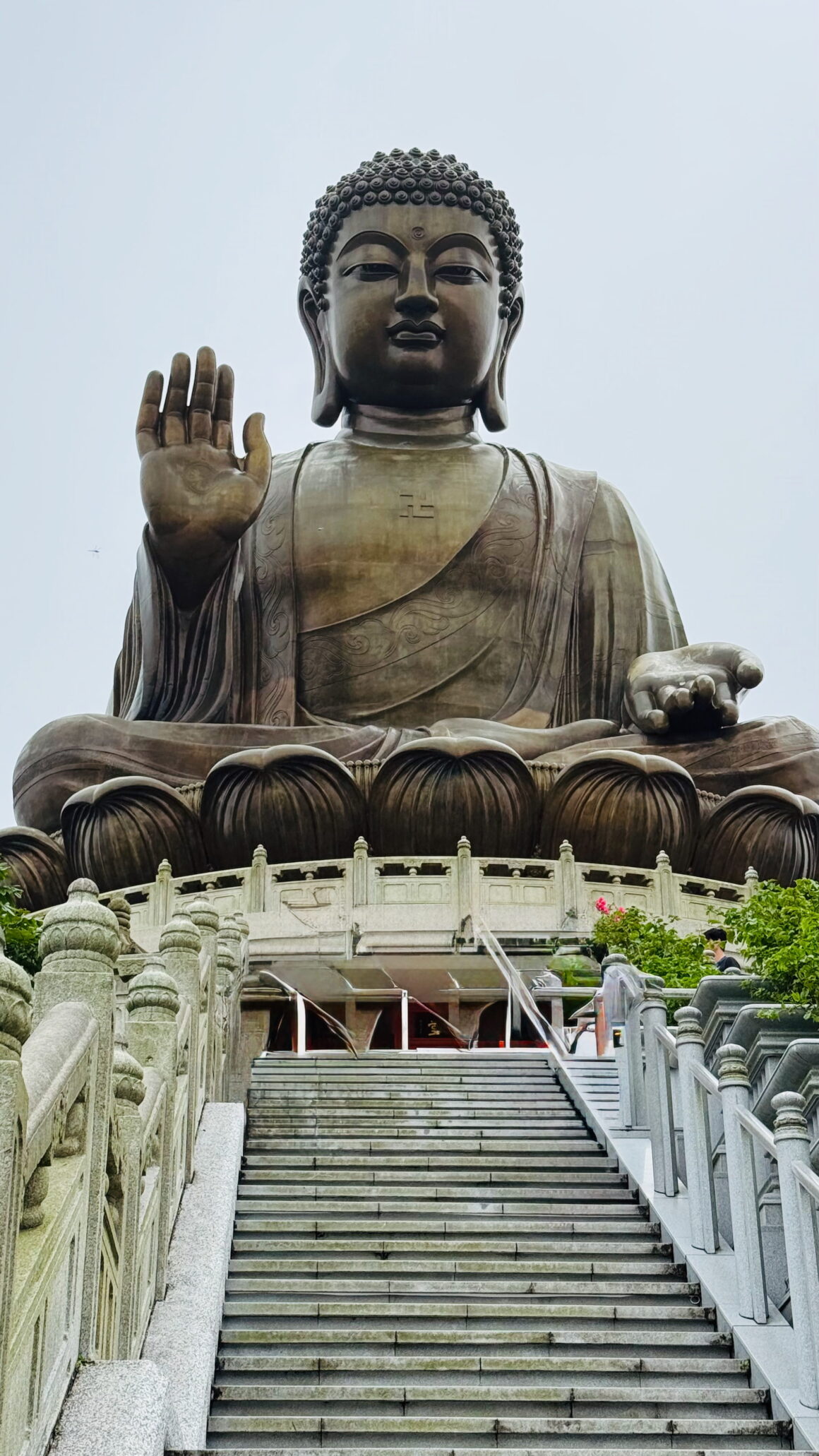
The Tian Tan Buddha is a majestic, 34-metre-tall outdoor bronze statue that sits solemnly atop Mount Muk Yue on Lantau Island. Symbolizing stability, peace, and spiritual harmony, the monumental figure requires visitors to climb 268 stone steps to reach its base viewing platform. Once at the top, you are treated to breathtaking, 360-degree panoramic views of the surrounding lush mountain peaks and the South China Sea.
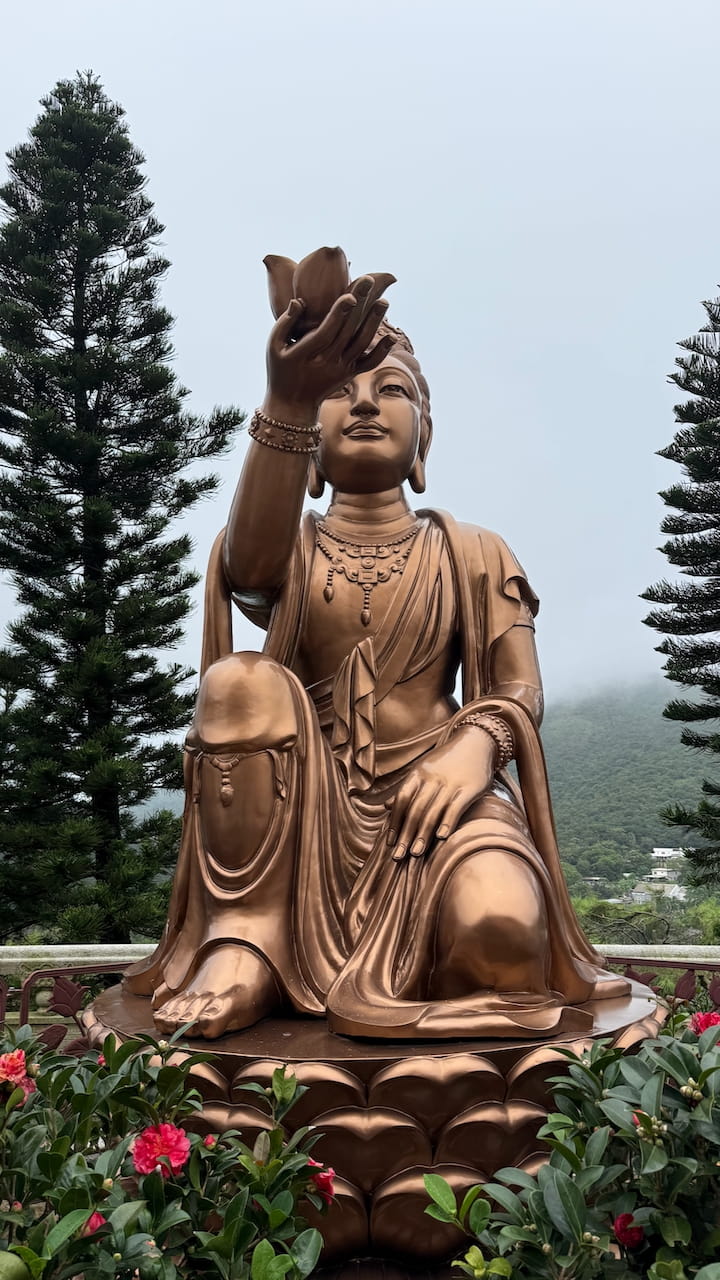
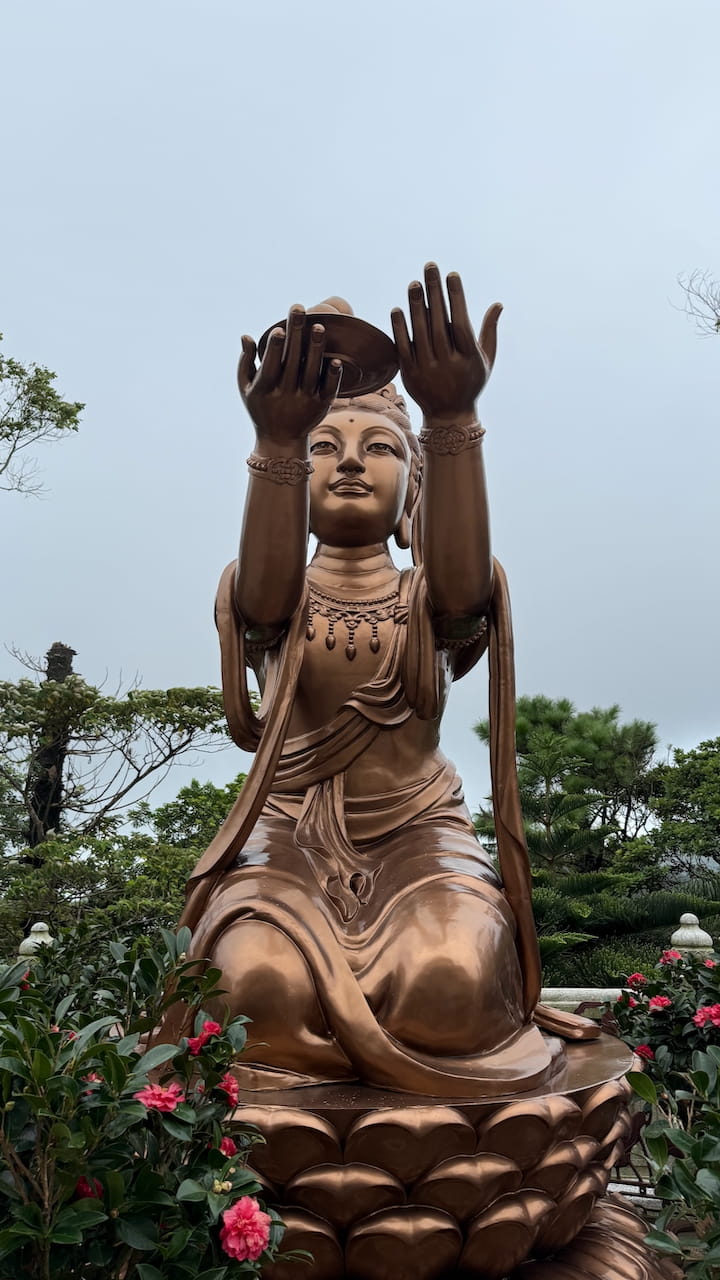
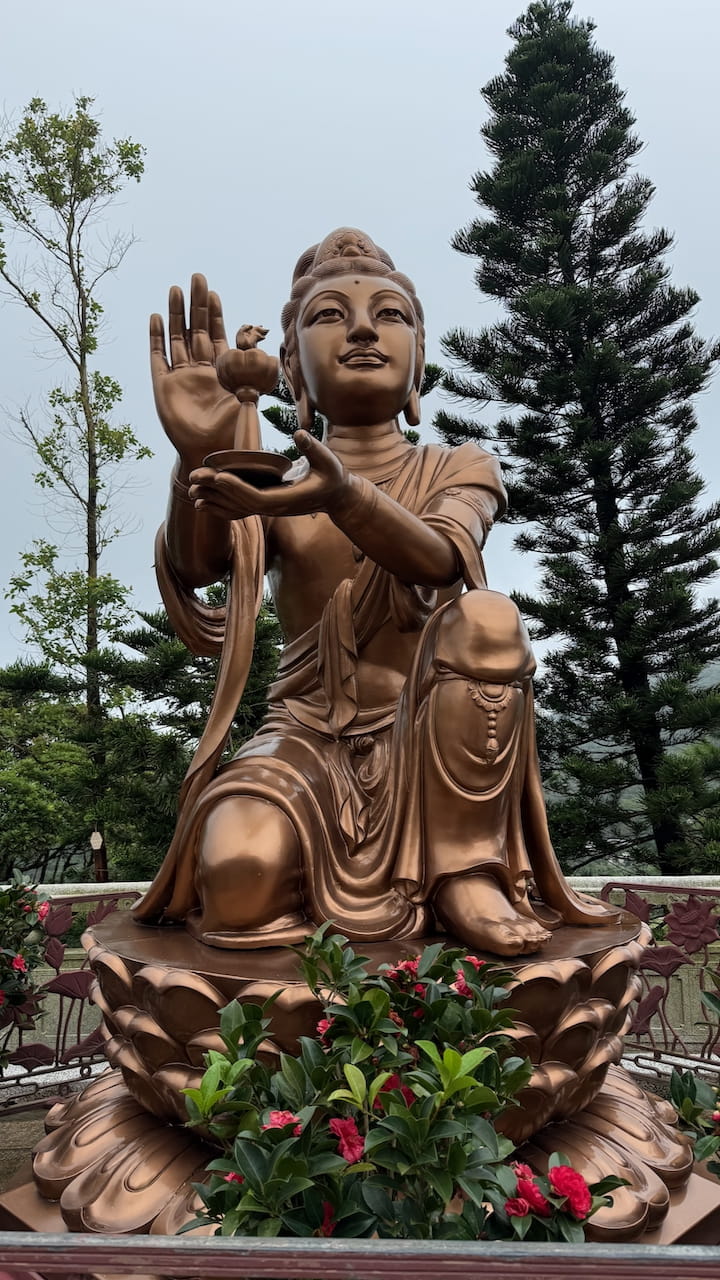
Po Lin Monastery
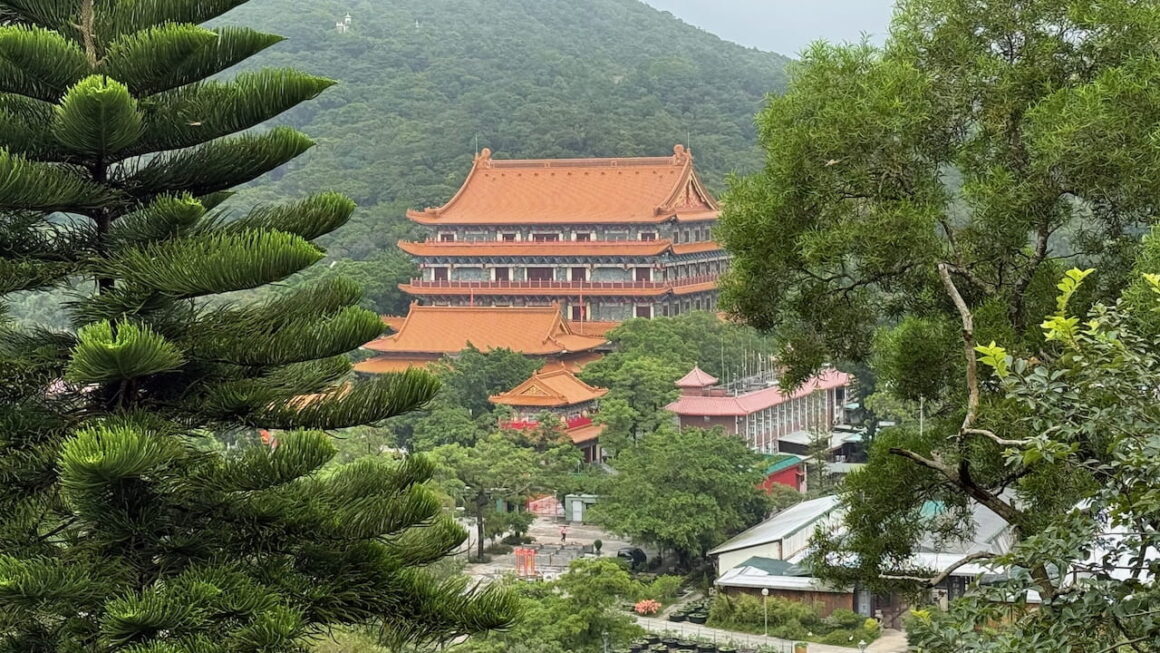
Situated directly opposite the base of the Buddha steps, Po Lin Monastery is a major, active Buddhist sanctuary known as the ‘Buddhist World in the South’. The complex is world-renowned for its architectural beauty, particularly the striking Grand Hall of Ten Thousand Buddhas, and its peaceful gardens filled with fragrant lotus flowers. It also draws massive crowds of travelers eager to experience its famous, authentic vegetarian kitchen which serves freshly prepared, traditional multi-dish meals.
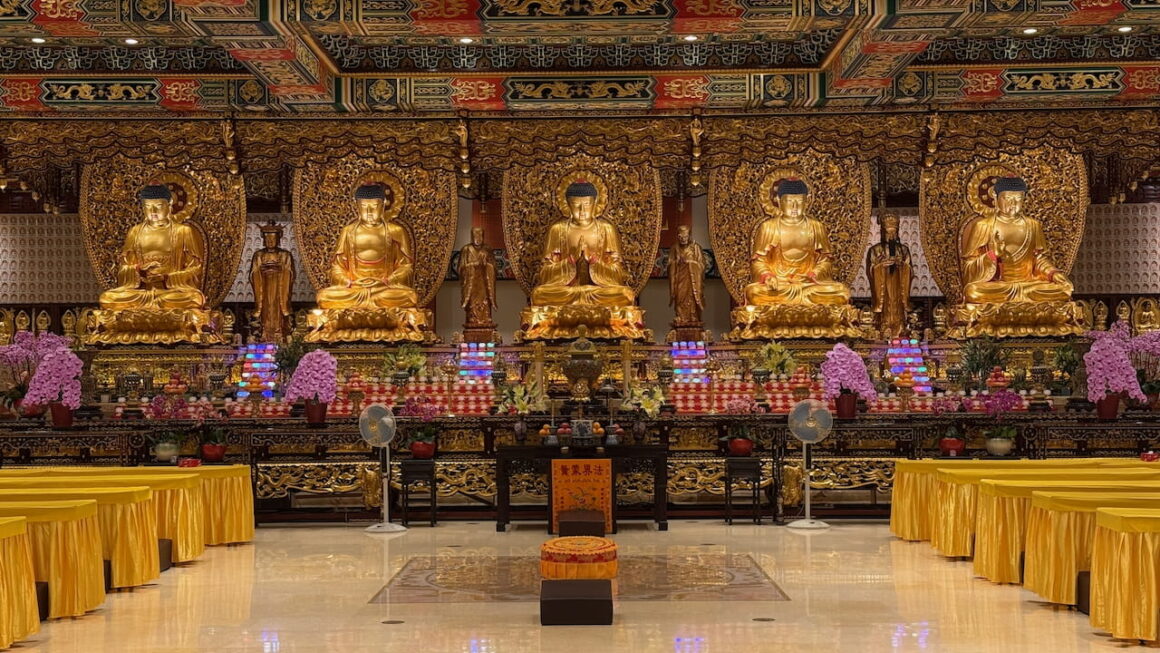
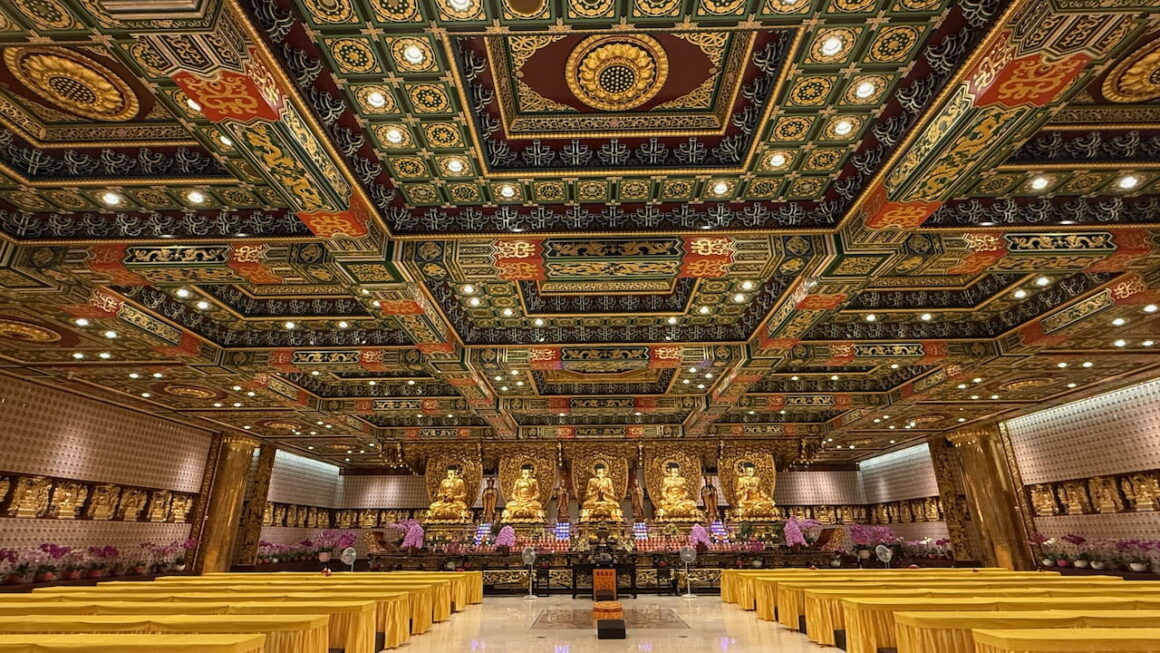
The General Area & What to See
The plateau surrounding these two sites is centered around Ngong Ping Village, a culturally themed marketplace offering regional dining, souvenir shopping, and interactive exhibits. Just a short, serene 10-minute walk from the village lies the Wisdom Path, an outdoor monument showcasing 38 giant wooden columns arranged in an infinity symbol, each intricately inscribed with ancient Chinese calligraphy.
Transit Directions & Gondola Costs
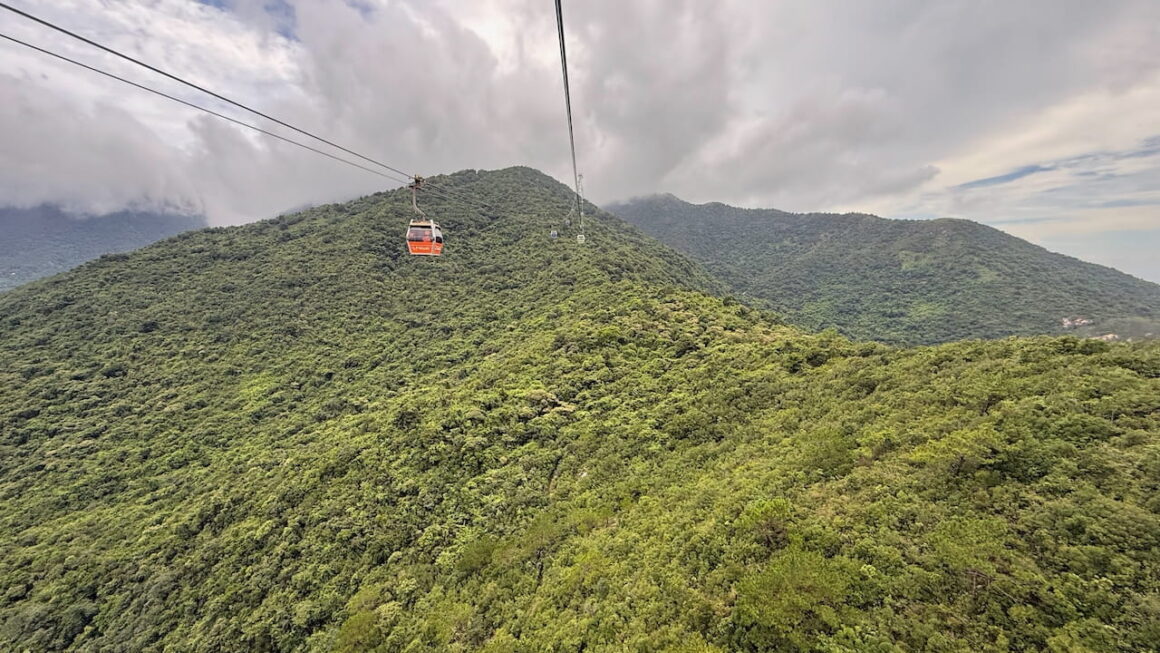
- The MTR Train Route: To get there, take the orange Tung Chung MTR Line from central Hong Kong straight to the terminus at Tung Chung Station, exiting through Exit B.
- The Gondola Ride: The Ngong Ping 360 Cable Car Terminal sits adjacent to the station exit. It treats you to a world-class, 25-minute, 5.7-kilometer scenic journey soaring directly over the South China Sea and the mountains.
- Official Ticket Costs:
- Standard Cabin (Round Trip): HK$295 for adults
- Crystal Cabin (Round Trip with Glass Floor): HK$365 for adults
Where to Stay: Upscale Hotels for a Comfortable Hong Kong Visit
For a five-day stay, we recommend choosing a hotel with easy access to public transport, restaurants and the harbour. A well-located property can save considerable time and make it easier to return to your room during the hottest part of the day.
Our Choice: Grand Hyatt Hong Kong
We stayed at the Grand Hyatt Hong Kong, a five-star waterfront hotel in Wan Chai, and found it particularly well positioned for exploring the city. Its location near the Hong Kong Convention and Exhibition Centre, Exhibition Centre MTR station and Wan Chai waterfront made it a convenient base for visiting Central, Causeway Bay and Kowloon.
For travellers who appreciate attentive service, comfortable surroundings and the option to retreat from the city’s intensity, this is a strong choice. We particularly recommend considering a harbour-view room if the budget allows.
Other Hotels Worth Considering
- The Upper House, Admiralty: An excellent option for understated luxury, spacious rooms and a quieter atmosphere. Its location near Pacific Place makes it convenient for Central and Wan Chai.
- Mandarin Oriental, Hong Kong, Central: A classic luxury property suited to travellers who prioritise polished service, fine dining and proximity to Central’s shopping and business districts.
- The Peninsula Hong Kong, Tsim Sha Tsui: A landmark luxury hotel for travellers who want to stay on the Kowloon side, close to the waterfront, museums and luxury shopping.
Accommodation budget: As a broad planning estimate only, allow HK$4,500–6,000 or more per night for upscale five-star accommodation, with premium suites and peak-period rates potentially much higher. Prices vary significantly by season, room category and availability, so compare dates directly with each hotel.
Getting Around Hong Kong: Practical Transport Advice
Hong Kong’s transport network makes independent exploration straightforward, even for first-time visitors.
- The Octopus Card: Your Essential Hong Kong Travel Companion
- The Octopus card is one of the most convenient ways to get around Hong Kong and pay for everyday purchases. Simply tap your card at the MTR gates to travel effortlessly throughout the city, or use it on buses, trams and ferries. It saves time, eliminates the need to purchase individual tickets and makes navigating Hong Kong’s excellent public transport network much easier.
- Beyond transportation, the Octopus card is particularly useful for everyday spending. You can use it at convenience stores such as 7-Eleven, supermarkets, cafés and casual local eateries, including smaller establishments that may not accept international credit cards. Having an Octopus card also reduces the need to carry small change, making spontaneous purchases quick and hassle-free.
- Card costs: A standard adult On-Loan Octopus card costs approximately HK$200, including a HK$50 refundable deposit and HK$150 in stored value. Alternatively, tourist Sold Octopus cards start at around HK$39, with no deposit, but you will need to add funds before travelling. Prices and availability may vary.
- You can purchase a physical card at Hong Kong International Airport, MTR customer service centres and selected convenience stores. Digital options are also available through the Octopus app for supported devices.
- Our advice is to get your Octopus card as soon as you arrive—it is a simple travel essential that makes exploring Hong Kong considerably more convenient.
- MTR: The mass transit railway is usually the fastest way to travel between Central, Quarry Bay, Mong Kok and Tsim Sha Tsui. Fares vary by distance and route.
- Ding Ding trams: Ideal for scenic, inexpensive journeys along northern Hong Kong Island.
- Star Ferry: A memorable and economical way to cross Victoria Harbour.
- Taxis: Red urban taxis serve Hong Kong Island and Kowloon. Use the meter and confirm any applicable surcharges. Electronic payment options are available, but carrying some cash remains useful.
- Uber: The app can be useful for arranging rides where service is available. Check the fare estimate, pickup point and current local service arrangements before confirming.
- Airport transfers: The Airport Express is a convenient rail connection to the city, while a pre-booked private transfer offers greater convenience with luggage. Compare the total cost and journey time for your hotel and arrival time.
For an upscale trip, we suggest combining public transport for routine sightseeing with private transfers when carrying luggage or travelling during difficult weather. Rather than assuming that a hotel shuttle will be available, confirm its schedule and price directly with the property.
When to Visit Hong Kong
Hong Kong’s climate can significantly shape your itinerary.
November to February is generally more comfortable for walking, outdoor sightseeing and photography, although popular attractions can be busy and accommodation may be more expensive.
March to May brings warmer conditions and increasing humidity. These months can work well for travellers who plan outdoor activities early and leave the middle of the day flexible.
June to October is hot, humid and rainy, with tropical cyclones a seasonal consideration. August is particularly challenging for extended outdoor walks: the Hong Kong Observatory’s 1991–2020 climate normals show an average daily maximum temperature of approximately 31.3°C and average monthly rainfall of about 453 mm. <a href=”https://www.hko.gov.hk/en/cis/normal/1991_2020/normals.htm“>Source: Hong Kong Observatory</a>.
We visited in August and found the heat high but not unbearable. However, we also experienced fewer crowds than we expected compared with the November-to-December period. That was our experience rather than a guarantee of lower visitor numbers at every attraction.
For summer travel, pack breathable clothing, comfortable footwear, sun protection and a compact umbrella. Schedule exposed outdoor sights early, drink water regularly and take breaks in air-conditioned cafés, museums or hotels.
Final Travel Tips for Visitors
Before departure, check the Hong Kong Immigration Department’s official entry requirements. Canadian passport holders are currently listed as eligible for visa-free visits of up to 90 days, subject to the applicable conditions. Verify the latest requirements for your passport and circumstances before booking. <a href=”https://www.immd.gov.hk/eng/services/visas/visit-transit/visit-visa-entry-permit.html“>Official immigration guidance</a>.
Also review current health advice, travel insurance coverage and any relevant airline requirements. Keep copies of important bookings accessible offline, and arrange mobile data in advance if you prefer to avoid airport queues. An eSIM provider such as Airalo is one option, but compare coverage and data allowances before purchasing.
Finally, remain flexible. Weather warnings can affect ferries, outdoor attractions and evening events, including the Symphony of Lights. Check official announcements before travelling to exposed waterfront locations.
Our Verdict: Is Five Days in Hong Kong Enough?
Five days is a rewarding introduction to Hong Kong for travellers who want a balance of iconic sights, local culture, shopping and comfortable downtime. Victoria Peak, the Central escalators, Man Mo Temple, the Kowloon waterfront, Temple Street Night Market and the Monster Building each reveal a different side of the city.
Our recommendation is to choose a convenient hotel, group attractions geographically and resist the temptation to fill every hour. Hong Kong rewards curiosity, whether you are admiring the skyline from a ferry, discovering a traditional café in Wan Chai or watching the city light up after dark.For experienced travellers seeking adventure travel in Hong Kong, the greatest pleasure is experiencing the contrasts at your own pace: sophisticated hotels and lively markets, historic streets and modern architecture, and moments of quiet observation within one of Asia’s most dynamic cities.