
Wroclaw Travel Guide: A 2–3 Day Adventure in Poland’s “Venice of the North”
After decades of traveling across Europe for both business and pleasure, we have learned that some cities quietly surprise you. Wroclaw (pronounced “vrots-waf”) was one of those destinations for us. Arriving by train from Krakow, we discovered a vibrant, elegant city built across islands and bridges along the Oder River. Often referred to as the “Venice of the North,” Wroclaw blends medieval architecture, lively cafés, and a fascinating modern cultural scene.
For travelers like ourselves who appreciate slower exploration, Wroclaw is ideal for a 2–3 day itinerary. Its compact and highly walkable historic center makes it easy to explore without rushing, while still offering plenty of individuals-friendly activities and sights to visit. During our summer visit, we found outdoor cafés buzzing, riverside promenades full of life, and historic squares glowing under the evening light.
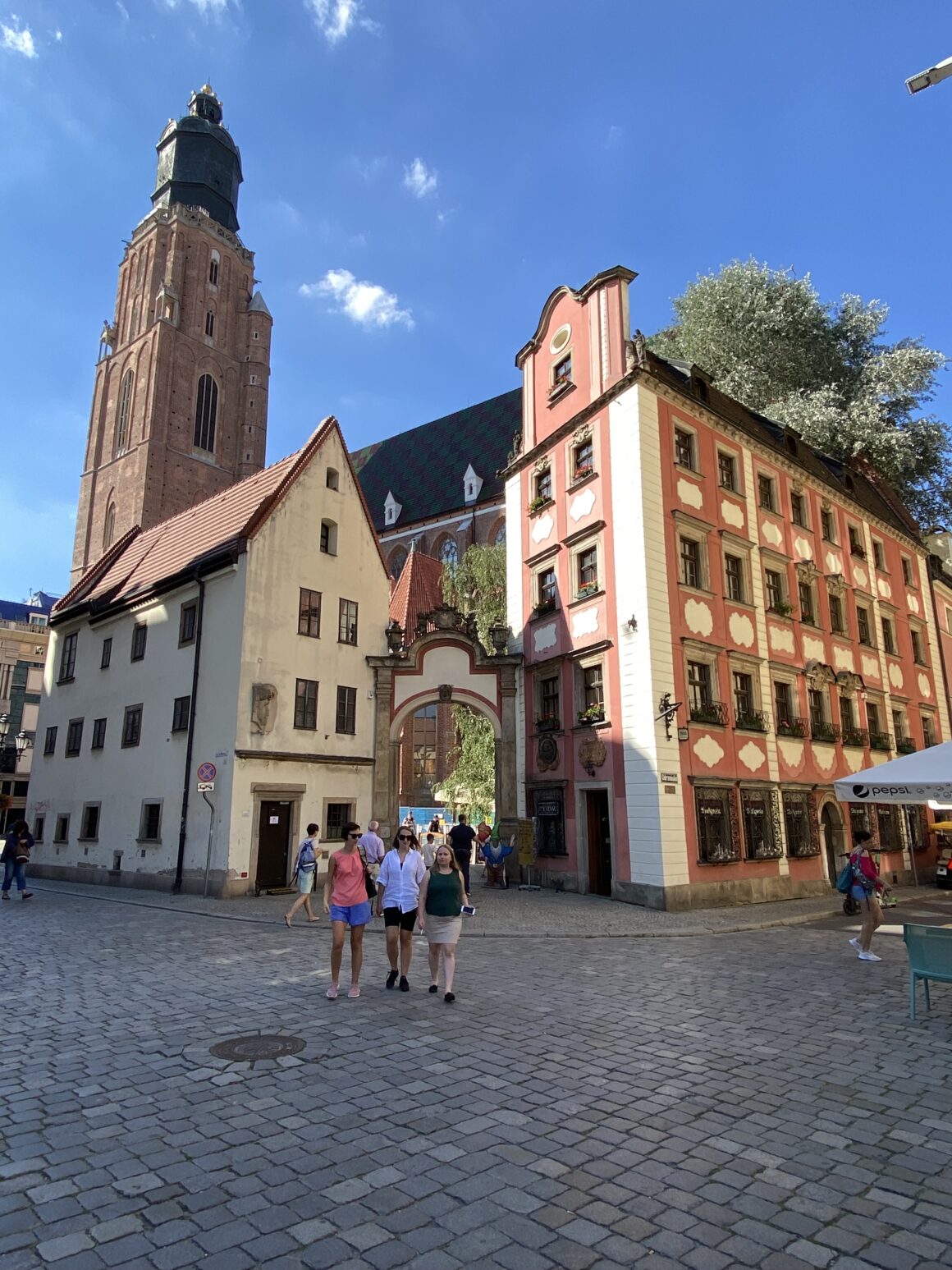
Wroclaw may be Poland’s third or fourth largest city, but it maintains the atmosphere of a charming European town. With over 100 bridges and 12 islands, colourful market squares, and a playful collection of dwarf statues scattered throughout the city, it is undoubtedly **one of the popular places to visit to experience old Europe charm** while enjoying modern comforts.
Getting to Wroclaw and Getting Around
We traveled to Wroclaw by train from Krakow, a journey that takes roughly 3–4 hours and is both comfortable and scenic.
Upon arrival at Wrocław Główny Railway Station, transportation is simple:
– Taxi: A short ride to Old Town typically costs 15–25 PLN (€3.50–€6) and takes about 5–10 minutes.
– Uber: Widely available and very affordable; we used it frequently during our stay.
– Walking: Once in the historic center, Wroclaw is extremely walkable and easy to explore on foot.
Like many European cities, the best way to appreciate Wroclaw’s charm is simply by wandering its streets and bridges.
Where to Stay in Wroclaw
Wroclaw offers a range of boutique and upscale accommodations perfect for travellers seeking comfort and character.
Recommended Mid-High Range Hotels ($$$)
– The Granary – La Suite Hotel (4-Star) – Our choice. Located close to Old Town in a beautifully restored historic building. Rooms typically range from €230–€320 per night depending on the season.
– The Bridge Wroclaw – MGallery – Stylish modern hotel near Cathedral Island, often €150–€240.
– AC Hotel Wroclaw by Marriott – Sophisticated design and excellent location near the Market Square, usually €160–€260.
Dining in Wroclaw is excellent, with high-quality meals generally ranging from €20–€45 per person at mid-range restaurants.
Exploring Wroclaw’s Historic Highlights
Market Square (Rynek)
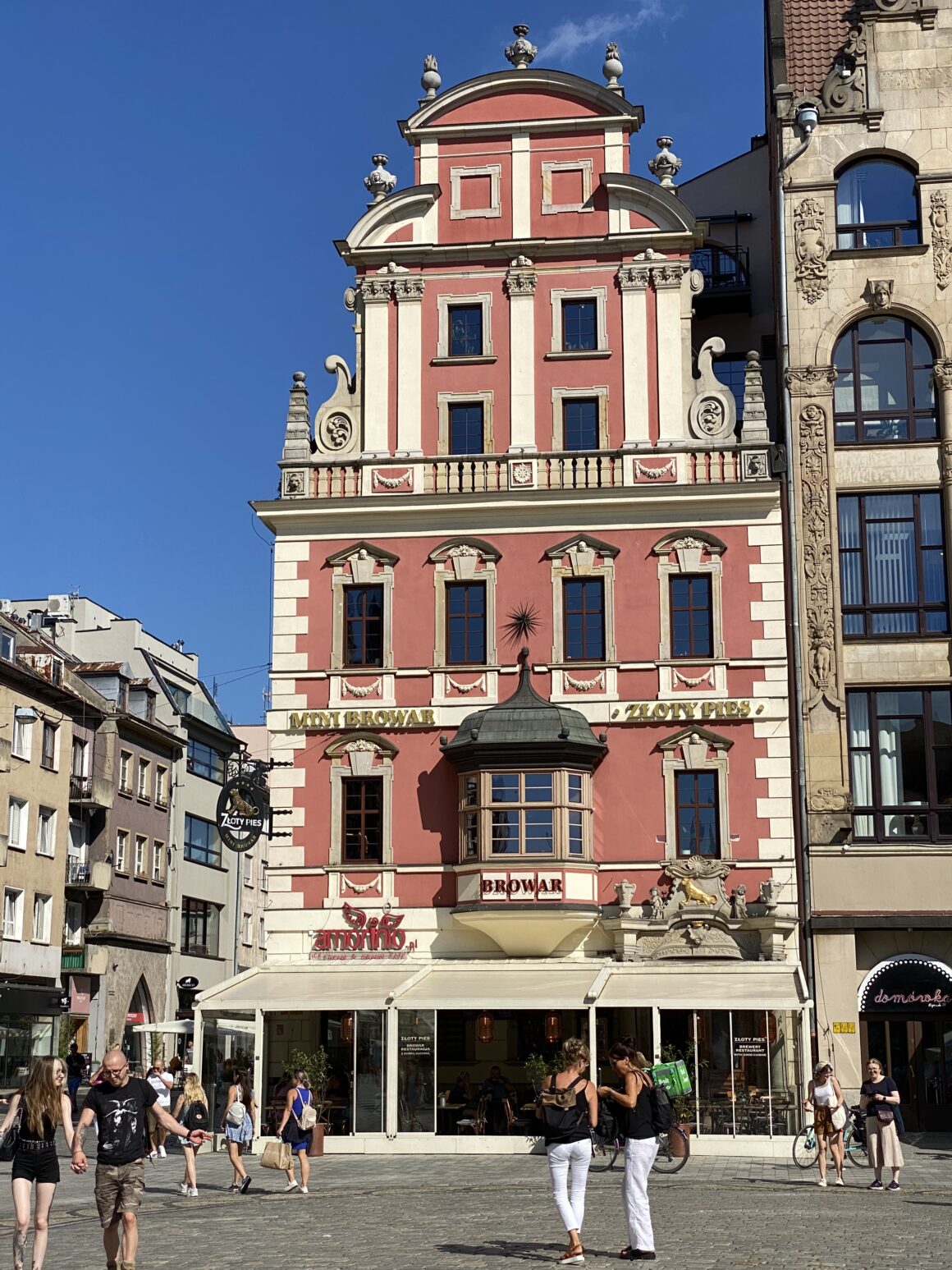
The Market Square (Rynek) is the heart of Wroclaw and one of the largest medieval squares in Europe. Surrounded by beautifully restored colorful tenement houses, the square is lively throughout the day and evening. Outdoor cafés, restaurants, and street performers create a welcoming and energetic atmosphere. At the center stands the Gothic Old Town Hall, one of the most impressive historic buildings in Poland. For travelers enjoying exploring Wroclaw, this square is the perfect starting point.
Cathedral Island (Ostrów Tumski)
Ostrów Tumski, or Cathedral Island, is the oldest part of Wroclaw and offers a completely different atmosphere from the busy Market Square. Gothic churches, cobblestone streets, and historic lanterns create a peaceful setting that feels centuries removed from the modern city. One of the most charming traditions here occurs each evening when a lamplighter manually lights the gas lamps throughout the district. Walking through Ostrów Tumski at dusk is one of the most romantic experiences in Wroclaw.
St. Elizabeth’s Church Tower
Rising above the Market Square, St. Elizabeth’s Church is the tallest church in Wroclaw. Visitors can climb the tower for impressive panoramic views over the Old Town’s colorful rooftops and church spires. The climb is well worth the effort for photography enthusiasts and travelers who appreciate scenic viewpoints. The church itself dates back to the medieval period and remains an important landmark in the city’s skyline.
Stare Jatki Street
A short walk from the Market Square leads to Stare Jatki, one of the best-preserved historic streets in Wroclaw. Once part of the old butchers’ quarter, the street features a continuous row of buildings dating from the 1600s and 1700s. Today, these charming buildings house small art galleries and craft shops. Sculptures and public art installations add character to the street. It’s a wonderful place for a quiet stroll and unique photos.
Wrocław Fountain and Centennial Hall
Located near the UNESCO-listed Centennial Hall, the Wrocław Fountain is the largest fountain in Poland. Covering approximately one hectare, the fountain features synchronized water displays accompanied by music and light shows. During the summer evenings, performances attract both locals and visitors. The surrounding park area is perfect for relaxing walks and picnics.
Piwnica Świdnicka
Hidden beneath the Old Town Hall is Piwnica Świdnicka, one of the oldest restaurants in Europe. This historic beer cellar has been serving guests since the Middle Ages. Dining here feels like stepping back in time, with stone vaults, traditional Polish dishes, and classic regional beers. For travelers interested in experiencing local culinary traditions, it’s a memorable stop.
Hunting Wroclaw’s Famous Dwarves
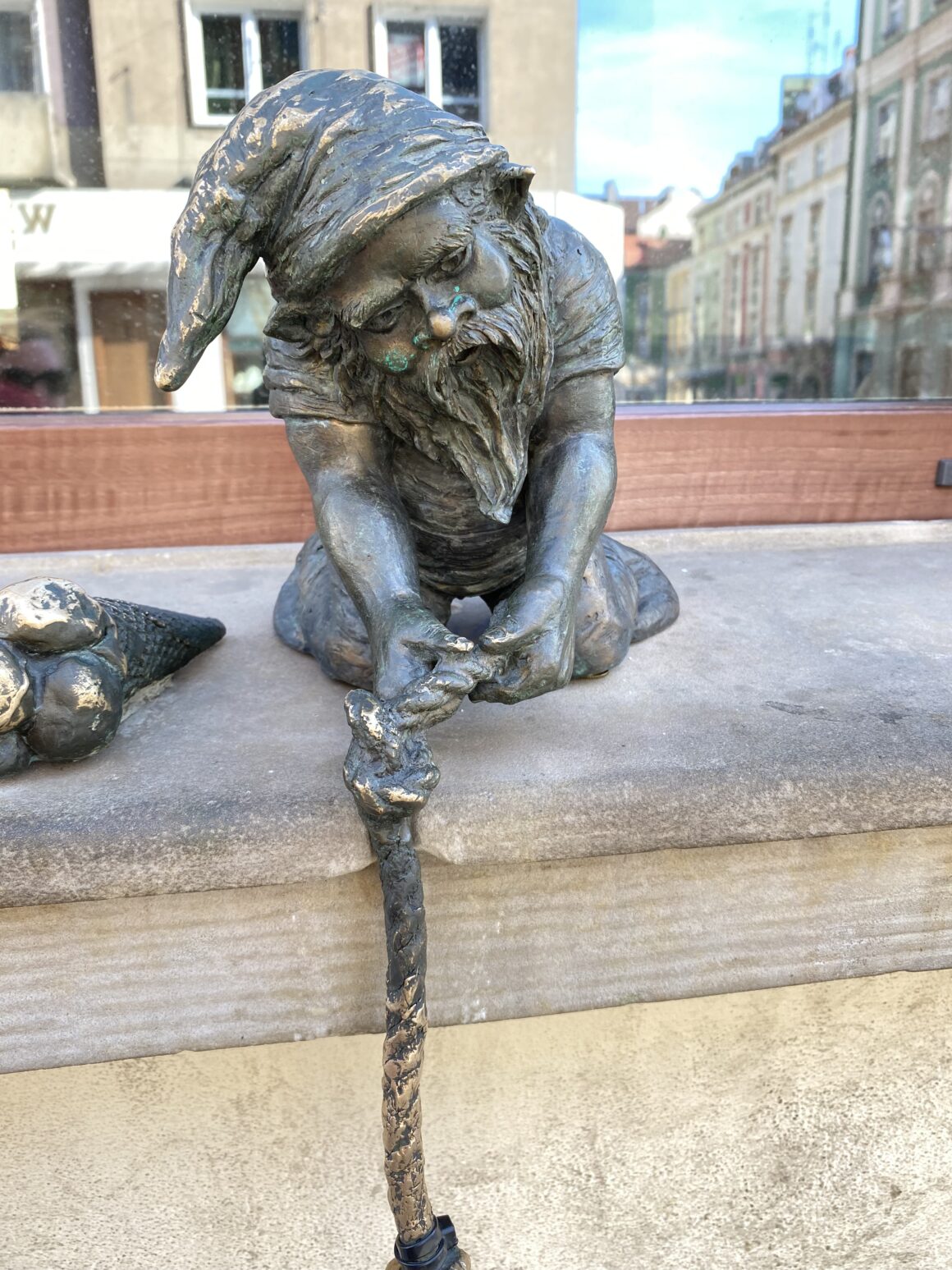
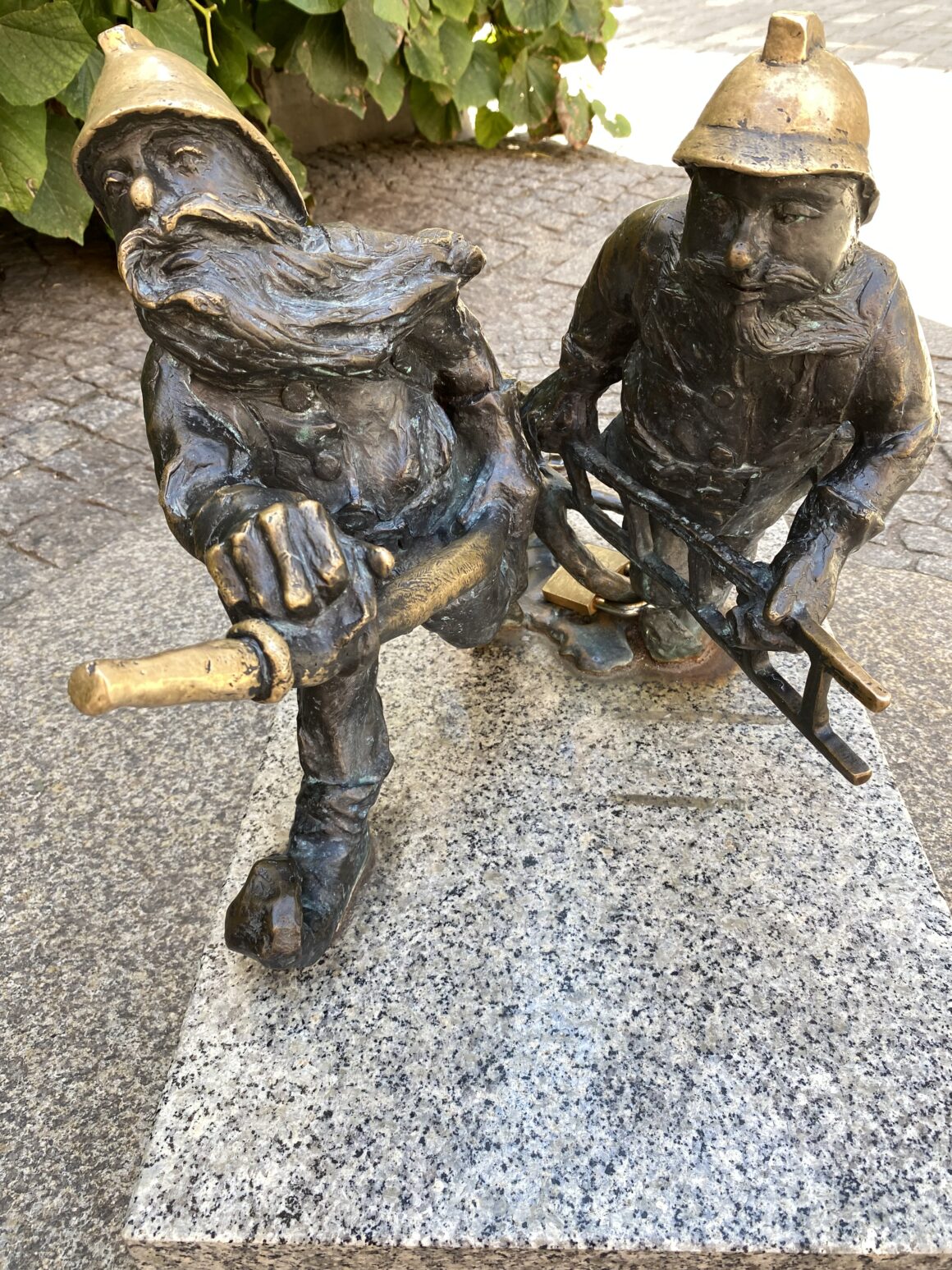
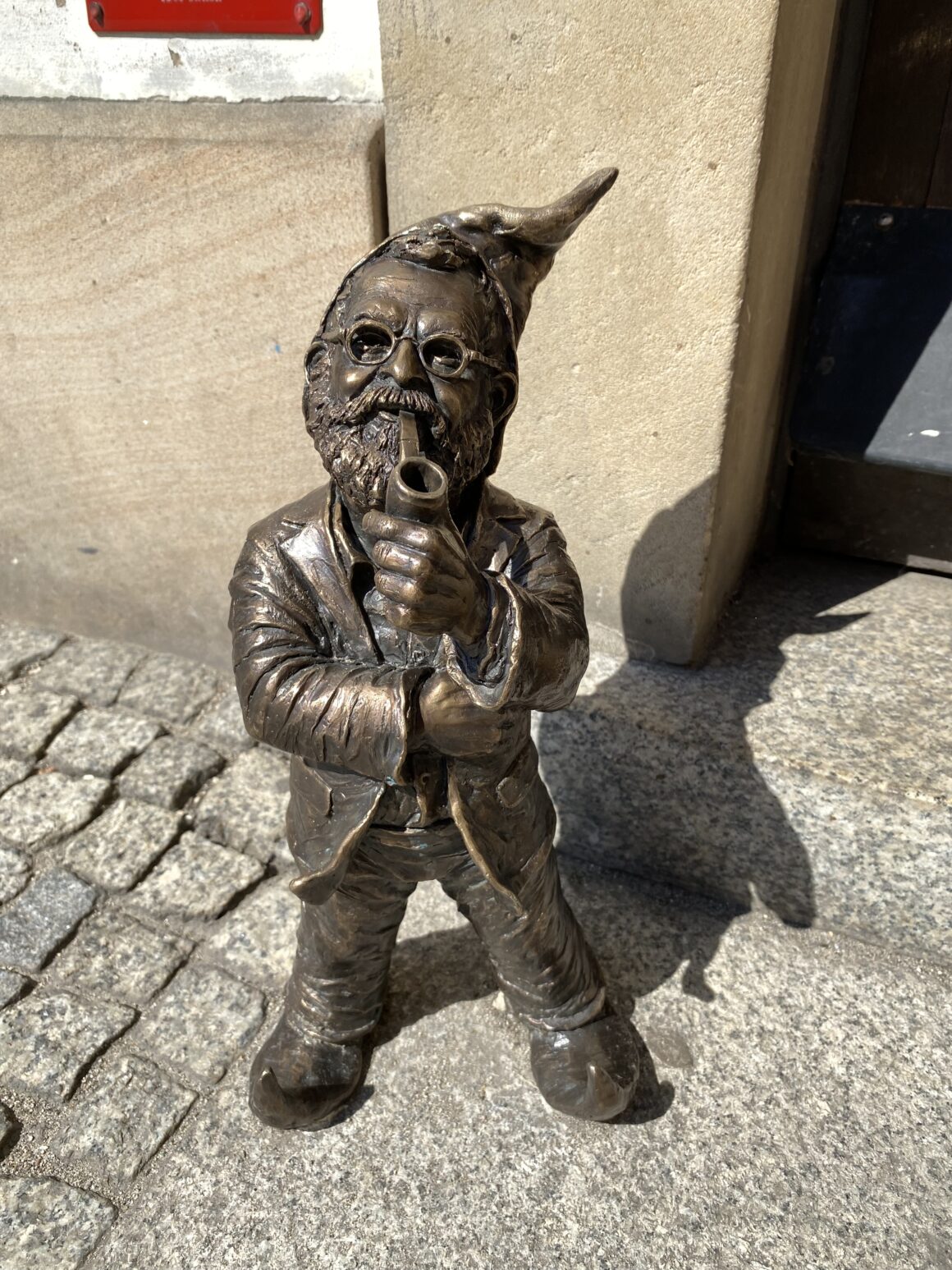
One of the most delightful experiences in Wroclaw is searching for the city’s famous bronze dwarf statues, known locally as Krasnale. What began as a political protest in the 1980s has evolved into a playful and beloved symbol of the city. During the communist era, the underground Orange Alternative movement mocked the regime by painting dwarf graffiti on propaganda posters and organizing absurd protests involving people dressed as dwarves.
One famous demonstration in 1988 saw thousands of participants wearing dwarf hats marching through the streets, prompting confused authorities to chase them, exactly the kind of satire the movement intended. The dwarves quickly became a symbol of peaceful resistance and humor in the face of oppression.
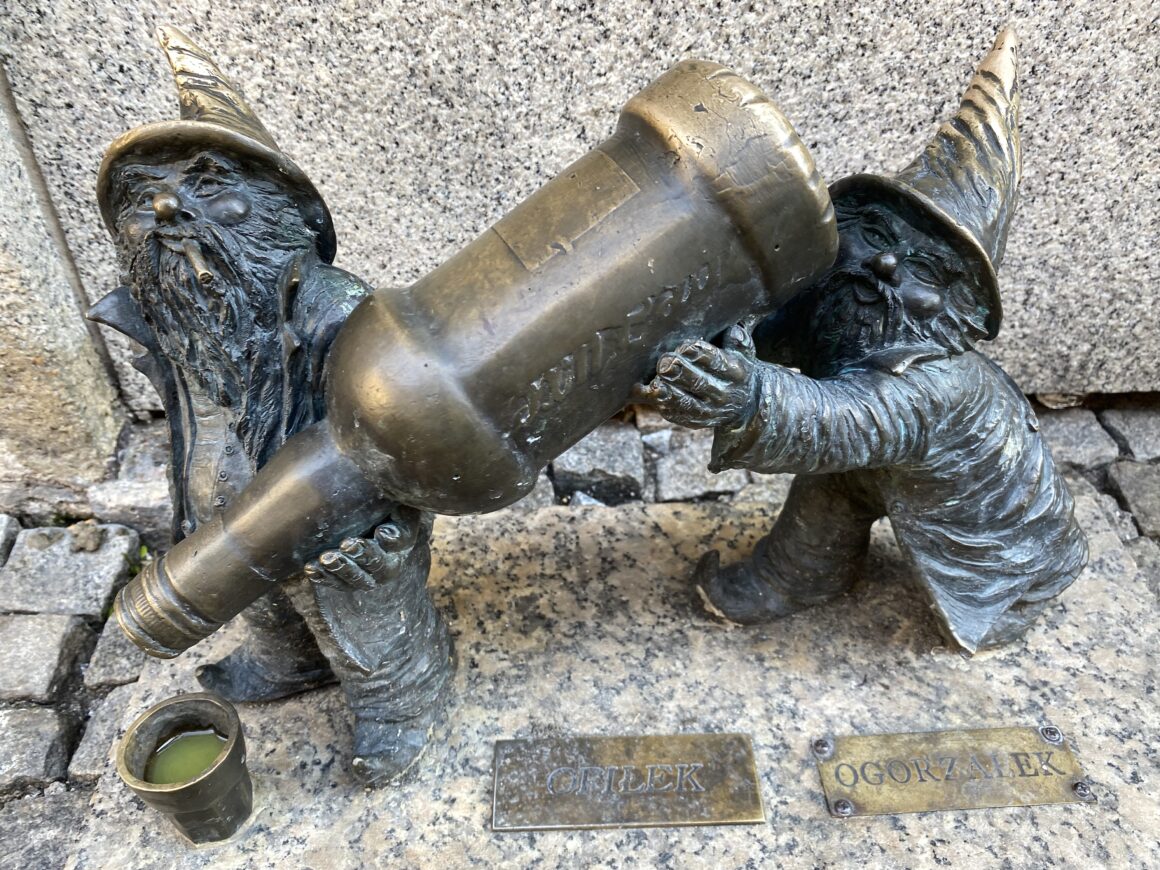
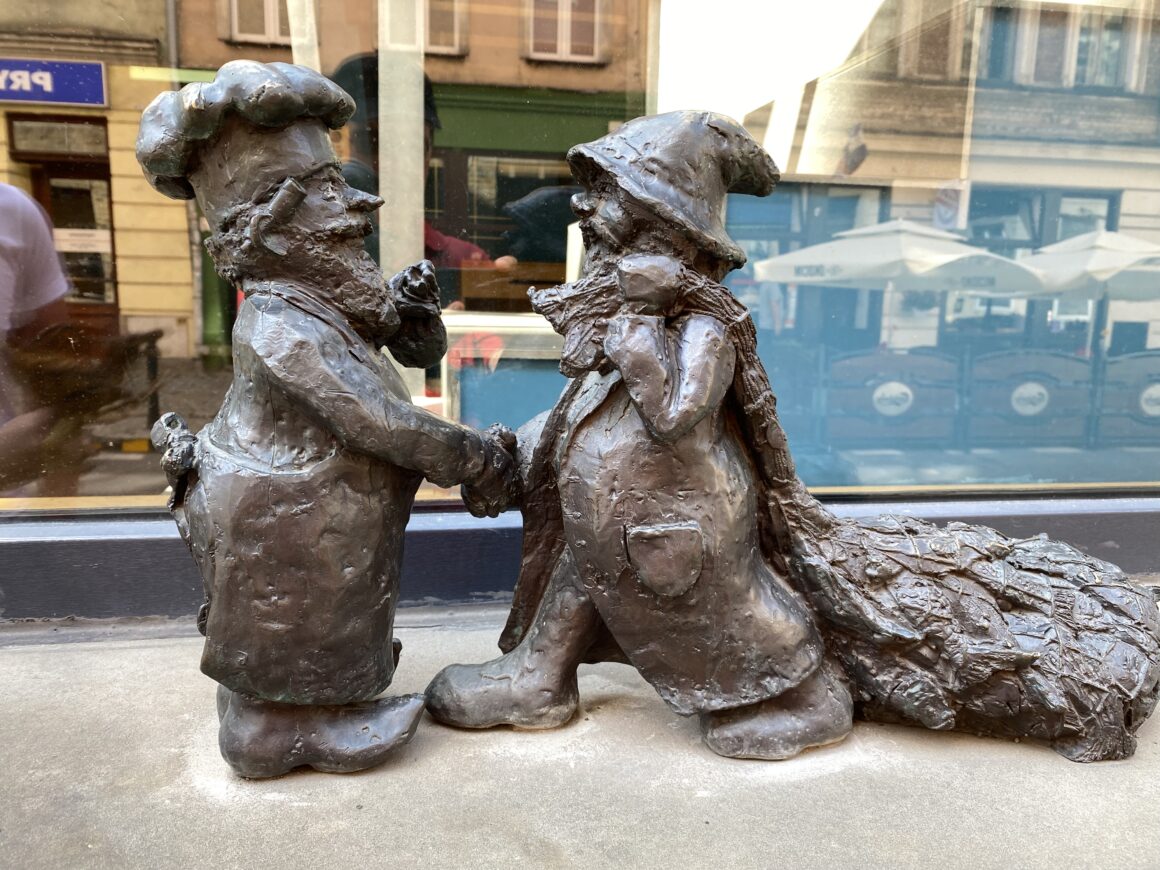
Today, Wroclaw celebrates that spirit with over 700 miniature bronze dwarves scattered across the city. Each statue represents a different profession or activity—bankers, firefighters, musicians, and even prisoners. Some are easy to spot along busy streets, while others hide in corners, near doorways, or beside bridges. We found ourselves constantly scanning sidewalks and windowsills to discover new ones.
This informal treasure hunt adds a playful dimension to exploring Wroclaw. It encourages visitors to wander beyond the main attractions and explore the city more deeply. Every time you discover another dwarf, it’s hard not to smile.
Final Travel Tips for Your Wroclaw Trip
Wroclaw proved to be one of the most charming and photogenic cities we visited in Poland. Its combination of history, architecture, and lively culture makes it perfect for a relaxed 2–3 day itinerary.
Helpful tips:
– Visit during summer to enjoy outdoor dining and festivals.
– Expect museum and attraction fees between €5–€15.
– Wroclaw’s historic center is very walkable, making slow exploration easy.
– Take time to wander across the city’s many bridges and islands.
As always, travelers should verify current visa requirements, health regulations, and entry guidelines with official government sources before planning a trip.
For seasoned travelers looking for authentic charm and memorable experiences, Wroclaw offers a refreshing blend of history, creativity, and adventure travel opportunities in one of Poland’s most captivating cities.